Last updated November 21, 2026
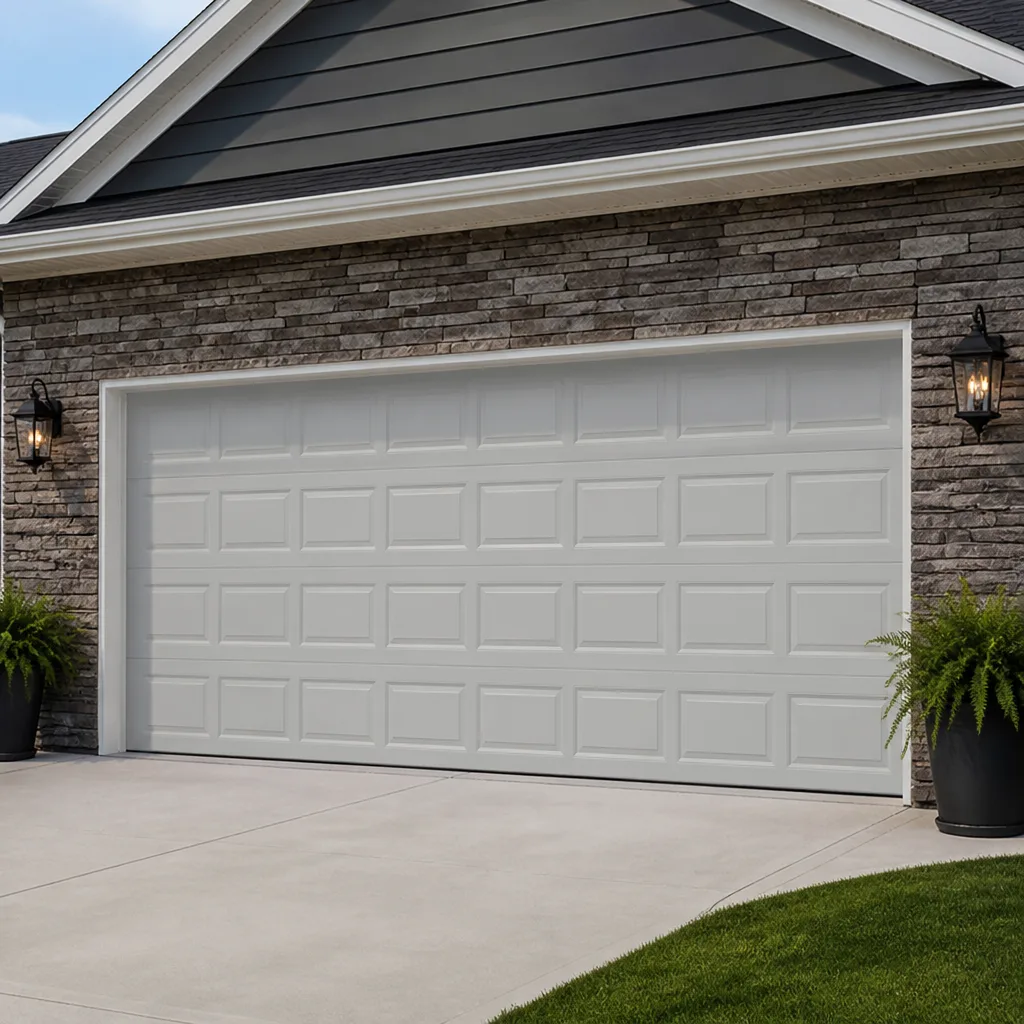 Raised-panel steel
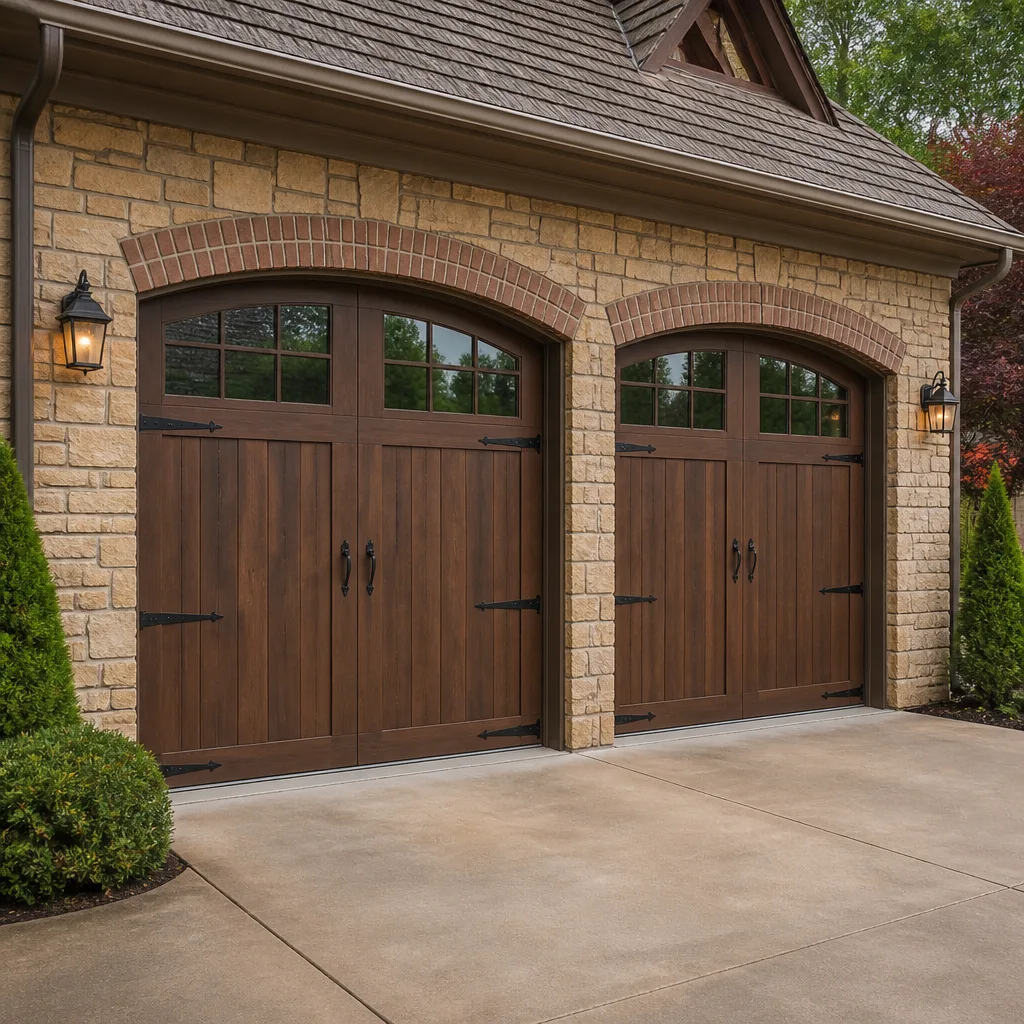 Carriage house
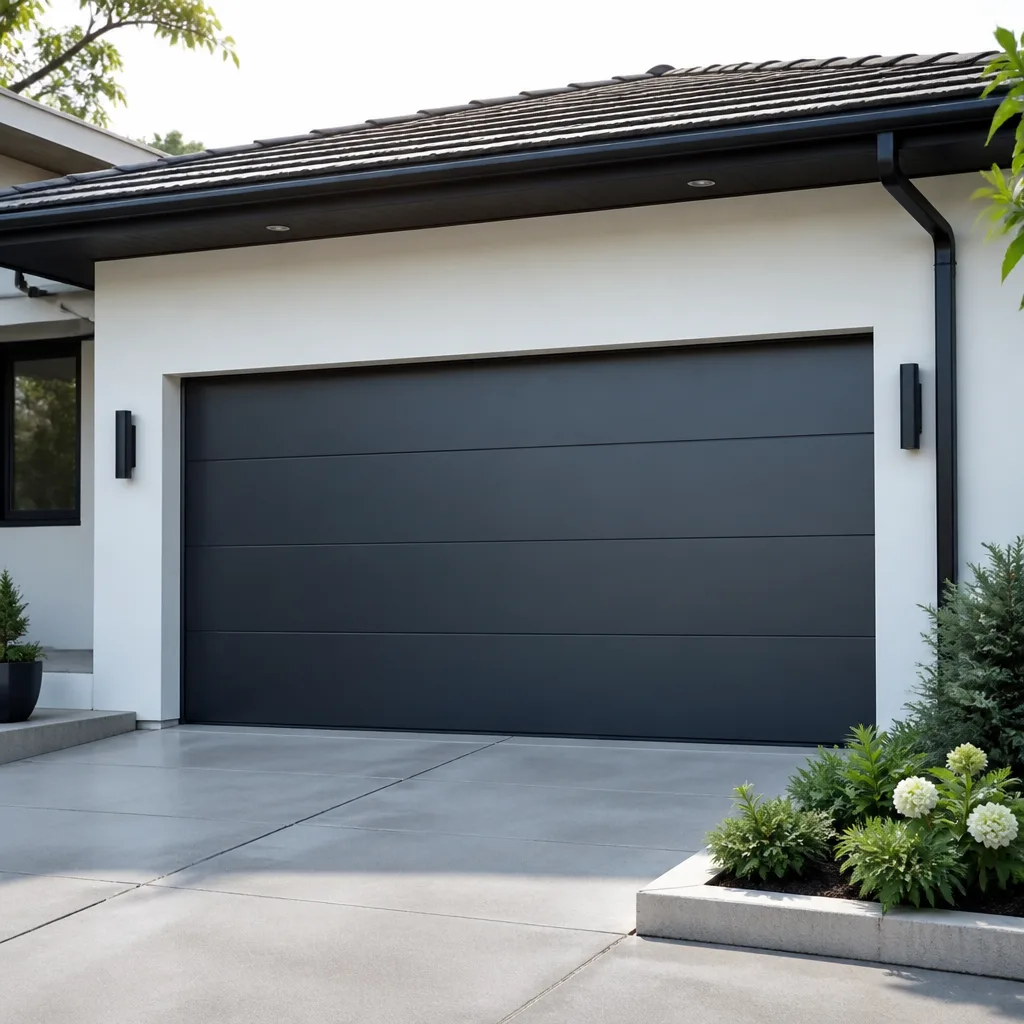 Modern flush
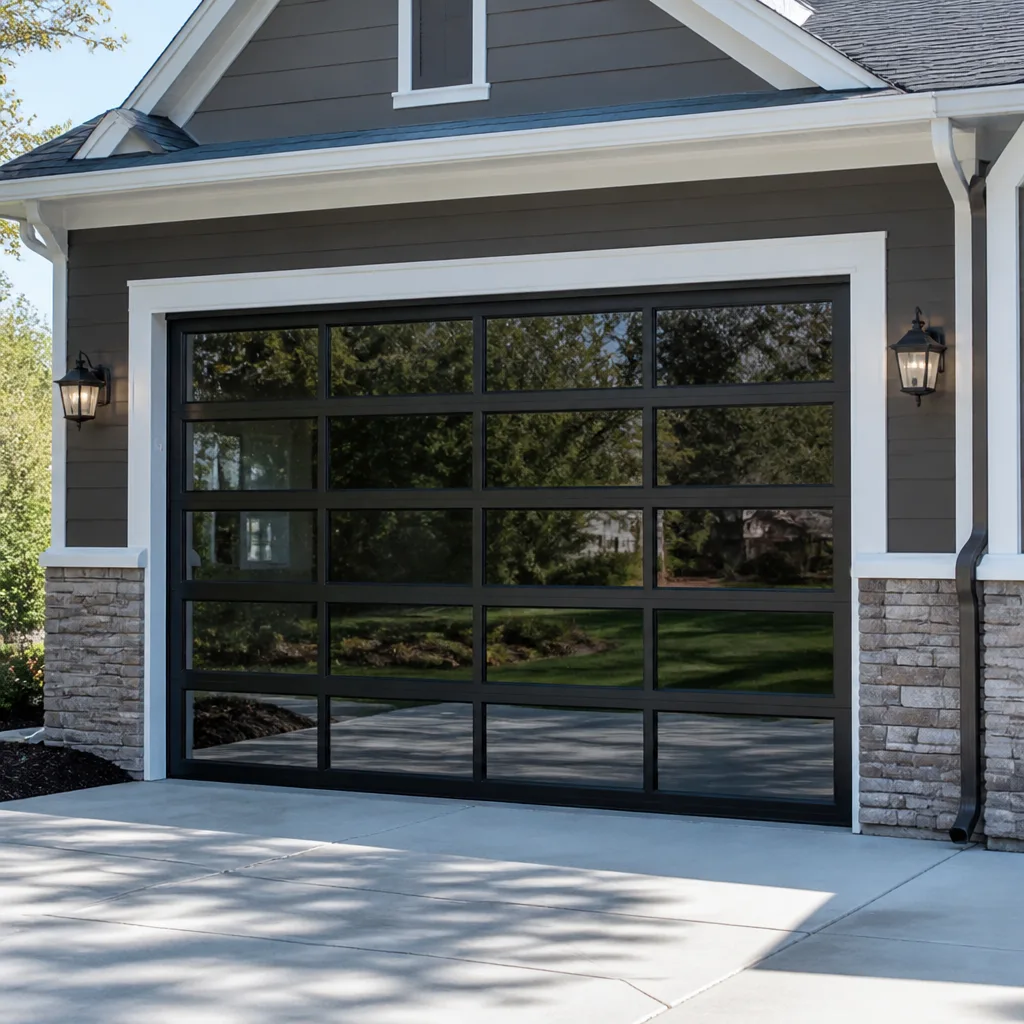 Full-view glass
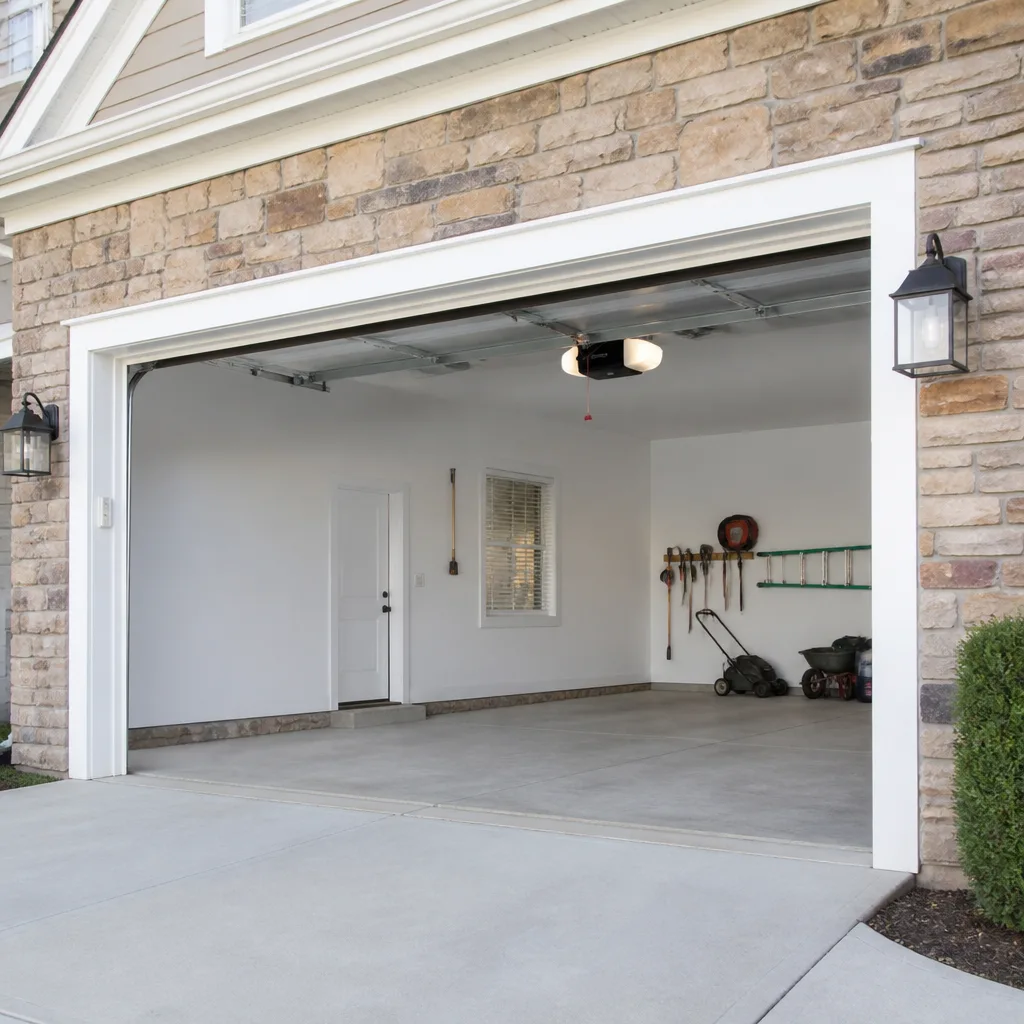 LiftMaster openers
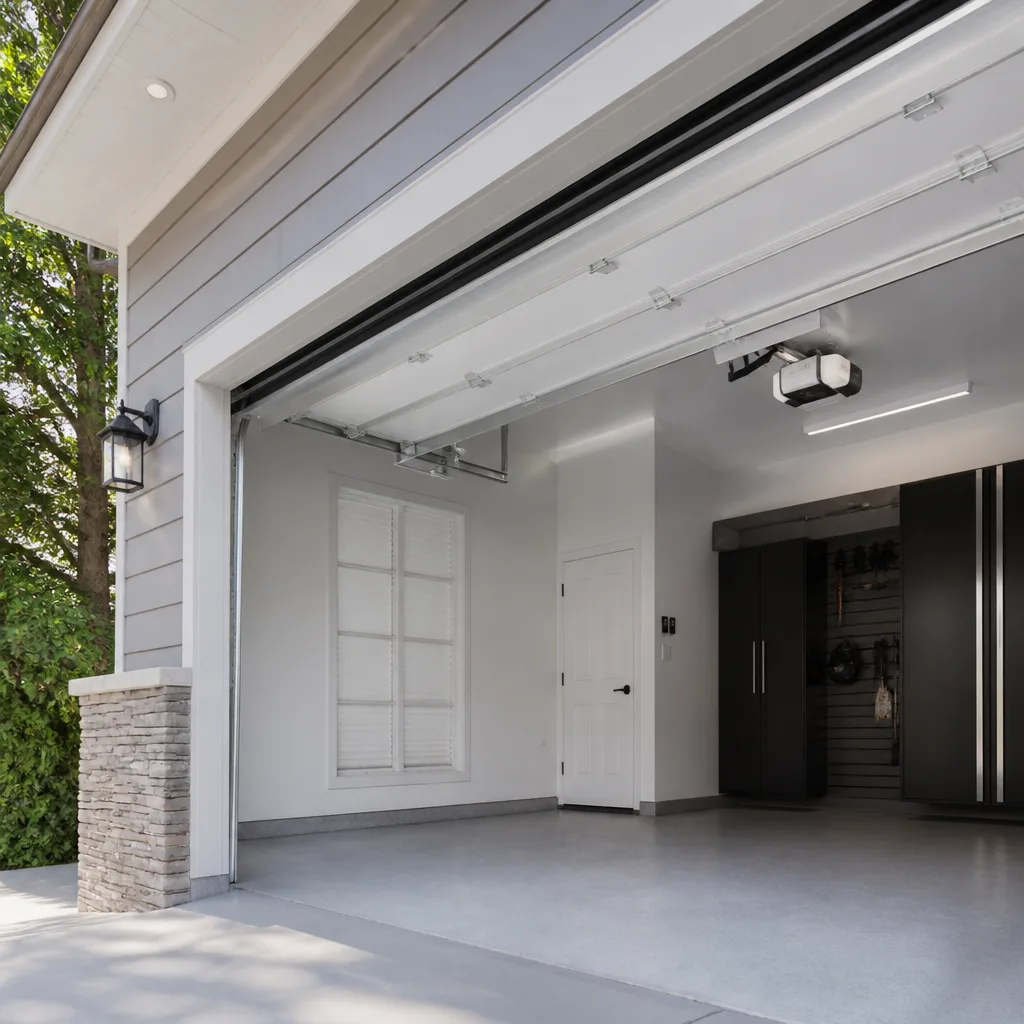 Chamberlain openers
Full 25-point door and opener safety check with every visit - springs, cables, rollers, tracks, and your LiftMaster or Chamberlain opener included
You get a price before we start. It does not change when the pro arrives.
Get your free estimateGarage Door Repair Maintenance Checklist for Hampton Homeowners
Most maintenance advice you’ll find online was written for a house in a dry climate, and it doesn’t fit a Hampton home. The familiar “lubricate your springs twice a year” rule assumes low humidity and stable temperatures. Hampton doesn’t work that way. Summer humidity, heavy rain, and the moisture that hangs in the air most of the year change which parts wear first and how fast. That matters because when a torsion spring or a cable finally gives out, a door that weighs a couple hundred pounds can come down hard. This guide walks you through a maintenance checklist built around how a garage door actually behaves in Hampton, month by month, part by part.
Quick Answer
A garage door maintenance checklist for Hampton should focus on moisture and seasonal movement rather than the dry-climate timing in most national guides. That means lubricating moving parts with a moisture-resistant product (not WD-40), inspecting springs, cables, and rollers during the humid stretch from late spring through fall, checking bottom seals and weatherstripping before summer storms and again before fall, and tightening hardware after wind events. A door that’s checked and lubricated on this schedule lasts longer and fails less dangerously than one that’s ignored until something breaks.
Styles & brands we work with
- Raised-panel steel
- Carriage house
- Modern flush
- Full-view glass
- LiftMaster openers
- Chamberlain openers
Table of Contents
- Why a Hampton Garage Door Ages Differently
- Your Month-by-Month Maintenance Calendar for Hampton
- The Right Lubricants for Humid Air, and Why WD-40 Is the Wrong Call
- Inspecting Bottom Seals and Weatherstripping Around Hampton’s Storm Season
- Hardware Torque Checks After Wind Events
- Brand-Specific Maintenance Notes for Common Hampton Openers
- Springs and Cables: What to Check and What to Leave Alone
- Repair Versus Replace: Deciding When Maintenance Is No Longer Enough
Why a Hampton Garage Door Ages Differently
A garage door is the largest moving part of your house, and it’s also one of the most exposed. It faces the weather on the outside and sits in a space that traps moisture on the inside. In Hampton, that combination matters more than in a dry climate. Humidity lingers, rain comes in heavy bursts, and temperatures swing through the seasons in a way that keeps metal expanding and contracting. Every one of those factors speeds up wear on the parts that move.
The parts that suffer most are the ones with the least protection: bare steel springs, the cables that run alongside them, and the steel rollers that ride in the track. Moisture in the air works its way into the gaps where lubricant has thinned or washed away, and rust starts in places you can’t easily see. A spring that’s pitted with rust is weaker than a clean one, and a weakened spring is exactly the kind that breaks without warning.
The wood and seals around the door take a beating too. Bottom seals and weatherstripping are designed to flex, and they flex best when they’re supple. Humidity followed by dry air followed by more humidity hardens them over time. Once a seal hardens, it stops doing its job, and water starts finding its way under the door into the garage.
None of this means you need to baby your door. It means the inspection intervals and the products you use should match the conditions. That’s the difference between maintenance advice that helps and advice that just gets repeated. In our experience working on doors across Hampton, the homes that get the right routine see fewer emergency calls and fewer snapped springs than the ones following generic checklists.
Your Month-by-Month Maintenance Calendar for Hampton
A generic checklist tells you to do things “in spring” and “in fall.” That timing doesn’t line up with a Hampton year. Here’s a calendar built around when the local weather actually stresses a door.
- January: Cold snaps put stress on springs and make metal contract. Listen for new noises when the door opens and check that the door closes squarely. Cold makes tired springs more likely to fail.
- February: Do a full manual safety check. Test the auto-reverse by placing a roll of paper towels under the closing door. A door that doesn’t reverse needs attention from a pro.
- March: Start the seasonal lubrication routine. Apply a moisture-resistant lubricant to hinges, rollers, and the torsion spring, then wipe off any excess so it doesn’t collect grit.
- April: Inspect bottom seals and weatherstripping as humidity builds. Clean the threshold and check for gaps, cracking, or a seal that’s pulling away from the door.
- May: Check rollers and hinges for rust or flat spots. Grease the opener’s rail and moving parts following the opener brand’s guidance. Tighten any loose track bolts by hand.
- June: Before the heaviest storm months, confirm the door is properly balanced. A door that feels heavy or drifts when you let it go halfway up needs a spring adjustment from a trained technician.
- July: After any strong storm, run the door through a full cycle and listen for grinding, squealing, or a change in how it tracks. Inspect hinges, brackets, and the bottom brackets for loosened fasteners.
- August: Focus on seals again. If the bottom seal has warped or gone stiff from summer heat, replace it before fall humidity sets it in place.
- September: Re-lubricate moving parts, especially springs and cables. This is the time rust starts settling in after summer moisture, so catching it early matters.
- October: Check the door’s balance and travel. Confirm the opener’s safety sensors are aligned and clean, since debris and shifting over the year can knock them out of line.
- November: Do a full visual inspection of springs and cables. Look for rust, fraying, or an extension spring that has stretched. Don’t touch them, just observe and note anything unusual.
- December: Test the safety reverse again and clear the garage of anything that could block the door’s path. A door that meets an obstruction at the wrong time can bend panels or stress the opener.
This calendar is a starting point, not a rigid rule. A door on a south-facing wall that catches more sun and weather will need attention sooner than a sheltered one. If a month slips past, don’t force it; just pick up where you left off and keep the pattern.
The Right Lubricants for Humid Air, and Why WD-40 Is the Wrong Call
Using the wrong lubricant is worse than using none. WD-40 is the most common mistake we see. It’s a light solvent-based product, not a lasting lubricant, and it evaporates or washes away quickly. In humid air, it can actually leave metal vulnerable once it’s gone, because it doesn’t build a protective film. It may quiet a squeak for a day or two and convince you the job is done while the underlying wear continues.
For a Hampton door, the goal is a lubricant that stays in place and resists moisture. That usually means a white lithium grease or a silicone-based lubricant, depending on the part.
- Hinges: White lithium grease works well because it clings and resists moisture. Apply a small amount at the joints and wipe off the excess.
- Rollers: Silicone spray on the stems is a good choice. It penetrates without attracting grit, which matters in humid air where dust sticks to anything tacky.
- Torsion springs: A light coating of a moisture-resistant grease keeps rust from forming. Less is more; too much attracts dirt that wears the spring down.
- Tracks: Don’t grease the tracks. They should stay clean and dry. Use a rag to wipe away grit and a small amount of silicone on any moving hinge points near the track.
The reason grit matters so much here is simple. In a humid climate, lubricant that’s too thick or too sticky collects dust and grit from the air and the ground. That grit acts like sandpaper on the parts it’s supposed to protect. A moisture-resistant product that doesn’t stay tacky is the balance you want. Avoid standard motor oil and avoid anything labeled as a penetrating solvent when you want lasting protection.
Inspecting Bottom Seals and Weatherstripping Around Hampton’s Storm Season
The bottom seal and the weatherstripping around the door frame are the barrier between your garage and the weather. When they’re in good shape, they keep water, dirt, and pests out and help the garage stay drier. When they harden or crack, everything under the door lets moisture in. That moisture works on everything metal inside the garage.
The timing to check these matters. Inspect them in late spring as humidity builds, and again right after the heavy summer storm months before fall settles in. A seal that gets warped from summer heat and wet can harden into that shape, and once it does, it stops working well even after the weather changes.
Here’s what to check on each pass:
- Close the door and look at the gap: If you can see light under the door or the seal isn’t touching the floor evenly, it needs adjustment or replacement.
- Run your hand along the seal: It should feel flexible and soft. If it’s stiff, cracked, or crumbling, it’s done its job.
- Check the bottom of the seal for standing water damage: A seal that sits in water after rain can rot or mildew. If the garage floor near the door holds water, raise the seal or improve drainage.
- Inspect the frame weatherstripping: Look for gaps between the door and the frame when the door is closed. A worn strip lets wind and rain drive in during a storm.
- Check for tears or peeling edges: A seal that’s separating from the door lets water in along the whole width, not just where the tear is.
Replacing a bottom seal is a reasonable job for a handy homeowner, and it’s one of the easiest fixes in this checklist. The trick is getting the right width and profile for the door, because seals aren’t universal. Weatherstripping around the frame is a bit more involved but still manageable. If the door itself has shifted and isn’t sealing properly even with a new seal, that points to a balance or track issue that needs a proper diagnosis.
Hardware Torque Checks After Wind Events
Hampton gets winds that push on a closed garage door hard. A door on the windward side of the house takes the pressure across its whole panel. Over time, that repeated push works on the fasteners holding the hinges and brackets in place. A few loose bolts here and there don’t seem like much, but together they let the door flex, and flexing leads to cracks in panels and wear on hinges.
After a notable wind event, take a few minutes to check the hardware. You’re looking for bolts that have backed out or fasteners that have loosened. Grab a socket or wrench sized to the bolts and give each a gentle check, but don’t go cranking down hard. Over-tightening is its own problem; it can compress the door panel or strip the fastener.
The parts to check:
- Hinge bolts: Each hinge is held by bolts into the panel. Check each one for tightness and make sure the hinge isn’t starting to pull away from the door.
- Track brackets: The brackets holding the track to the wall should be firm. A wobbly track brace lets the door track unevenly.
- Bottom brackets: The brackets at the bottom corners of the door take a lot of load. They should be secure, but check them gently, because the cables under tension attach here and you shouldn’t put your hands near them.
- Center bearing plate for torsion springs: The plate holding the torsion spring assembly should be solid. Don’t try to adjust anything near the springs; just check that the plate isn’t wobbling.
If you find a fastener that’s loose, tighten it gently. If you find one that’s stripped or a bracket that’s cracked, stop and get it checked. A bracket failure at the wrong moment can drop a door. When in doubt, call us for a look; a Hampton Garage Door Repair Co technician can tighten hardware and confirm the door is tracking and balanced correctly.
Brand-Specific Maintenance Notes for Common Hampton Openers
Maintenance isn’t always brand-neutral. The opener you already have has its own quirks and its own maintenance needs, and the better you know yours, the better you can keep it running. Our technicians work on the brand you already have, which means the advice here matches the equipment actually installed in Hampton homes.
LiftMaster and Chamberlain
These two share a lot of engineering, so the maintenance routine is similar. The opener rail and the trolley that runs along it benefit from a light application of lubricant following the manufacturer’s guidance, usually a standard garage door lubricant rather than a spray on the chain or rail itself. On belt-drive openers, the belt should be checked for tension and wear; on chain-drive units, the chain should be checked for slack. The safety sensors at the bottom of the track need to be kept clean and aligned, since a knocked-out sensor causes the door to stop working entirely. Wipe the lenses and confirm the indicator lights tell you they’re paired.
Genie
Genie openers are common across Hampton and often use a screw drive or a chain. On a screw-drive unit, the drive screw needs occasional lubrication, and too much or the wrong type causes more problems than it solves, so follow the manufacturer’s guidance closely. On chain-drive units, check the chain for slack and listen for the telltale noise of wear. Genie’s safety sensors work the same way as any other; keep them clean and aligned. The opener’s housing and light cover should be wiped down now and then, but keep moisture out of the housing.
Wayne Dalton and Craftsman
If your door hardware is Wayne Dalton, check the rollers and hinges the same way you would on any door, and confirm any TorqueMaster-style spring system is behaving the same way it always has. On a Craftsman opener, the same principle applies: keep the rail lubricated, keep the safety sensors clean, and watch for changes in how the door operates. A door that suddenly runs slower, noisier, or rougher than it used to is telling you something needs attention.
The common thread with any opener is that the motor is only half the system. The door’s balance, springs, and tracks all affect how hard the opener has to work. If any of those are out of whack, the opener wears faster no matter how well you maintain the motor. When the door itself needs attention, our garage door opener repair work starts with checking the whole system, not just the motor.
Springs and Cables: What to Check and What to Leave Alone
Springs and cables are the most dangerous parts of a garage door, and they’re the parts most likely to fail in a humid climate. A torsion spring that’s developed rust is weaker than it should be, and a weakened spring can snap. A snap happens suddenly, and the door’s weight can come down. A cable that’s frayed or rusted can fail the same way. We can’t stress enough that this is not a do-it-yourself job.
What you can do is observe. From a safe distance, look at the springs and cables and note anything unusual:
- Rust: Any rust on a torsion spring is a sign it needs a professional look. Don’t try to clean it or paint it yourself.
- Gaps in the spring: A gap or a visibly stretched coil on a torsion spring is a sign of failure.
- Frayed cables: Cables should be smooth and intact. Any fraying, kinking, or rust on a cable means it needs a pro.
- Uneven door: If the door hangs crooked or one side lifts before the other, the springs or cables are out of balance.
What you shouldn’t do is try to adjust, remove, or “help” a spring or cable. The tension in a torsion spring is enormous, and releasing it without the right tools and training can cause serious injury. Even a minor adjustment should be left to a trained technician. Our garage door repair service includes spring work, which is a core part of what we do and a job many general handyman services won’t take on because of the risk.
For homeowners who want to know the difference between a normal sound and a warning sign, the general rule is this: routine humming and light roller noise are normal. A sudden bang, a door that won’t lift, or a door that drops a few inches before catching itself are all signs to stop using the door and call for help.
Repair Versus Replace: Deciding When Maintenance Is No Longer Enough
Maintenance keeps a door running, but every door reaches a point where the cost of repairs starts to add up. It helps to know when you’re in that territory. A few guidelines can help you decide whether to keep repairing or think about a replacement.
- Repeated repairs on the same part: If you’re fixing the same hinge or roller again and again, the underlying issue may be a door that’s become misaligned or worn beyond what a repair can fix.
- Multiple parts failing at once: When springs, cables, and rollers all need attention in a short stretch, a replacement can make more sense than a series of repairs.
- Visible damage to the door panel: Dents, cracks, or warping in the door itself are harder to fix than replacing a part, and a damaged panel affects how well the whole system works.
- Door feels unbalanced: If the door is hard to lift manually or doesn’t stay put when you let it go, the springs may be the wrong size or the door has structural issues. A diagnostic from a technician will tell you which.
- You want better insulation or a quieter door: If your door is old and drafty, an upgrade can pay off in comfort and in how much the garage is used.
Our garage door installation work is designed for homes that are ready for a new door, and we work with the major brands, so you’re not limited to one type of system. If you’re not sure whether repair or replacement is the right call, a professional inspection is the fastest way to get a straight answer. We’ll tell you what we find and what makes sense for your door, not just what’s easiest to sell.
Whether you’re keeping a door alive or replacing it, the maintenance routine above pays off. A well-maintained door lasts longer, runs quieter, and is safer for everyone in the house.
Common Mistakes to Avoid
- Using WD-40 as a long-term lubricant. It thins and evaporates, leaving parts drier than before. Choose a moisture-resistant grease or silicone product and reapply on schedule.
- Greasing the tracks. Tracks should stay clean and dry. Grease attracts grit that wears down rollers and makes the door track worse.
- Skipping seal checks during the humid months. A seal that hardens in summer heat won’t seal well through fall and winter. Check the bottom seal and frame weatherstripping before and after the storm season.
- Over-tightening hardware after wind events. It can compress panels or strip fasteners. Tighten gently and stop if you’re not sure.
- Adjusting or removing springs on your own. This is the most dangerous mistake on the list. Leave spring and cable work to a trained technician.
- Ignoring a new noise. A door that starts grinding or squealing is telling you something. Catching it early is cheaper and safer than waiting for a failure.
- Assuming national maintenance timing applies here. Hampton’s humidity and seasonal shifts mean seals and springs need checking on a different schedule than a dry climate.
See the difference
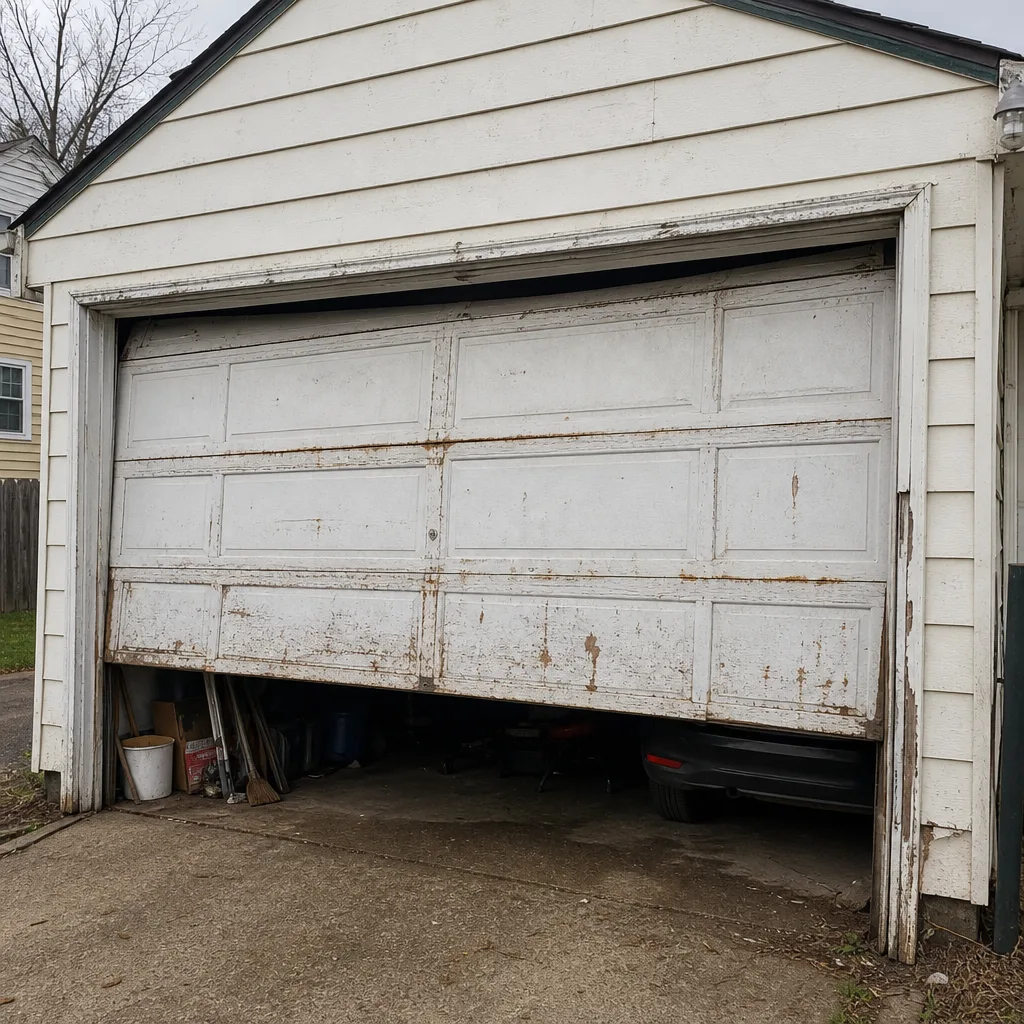 Before
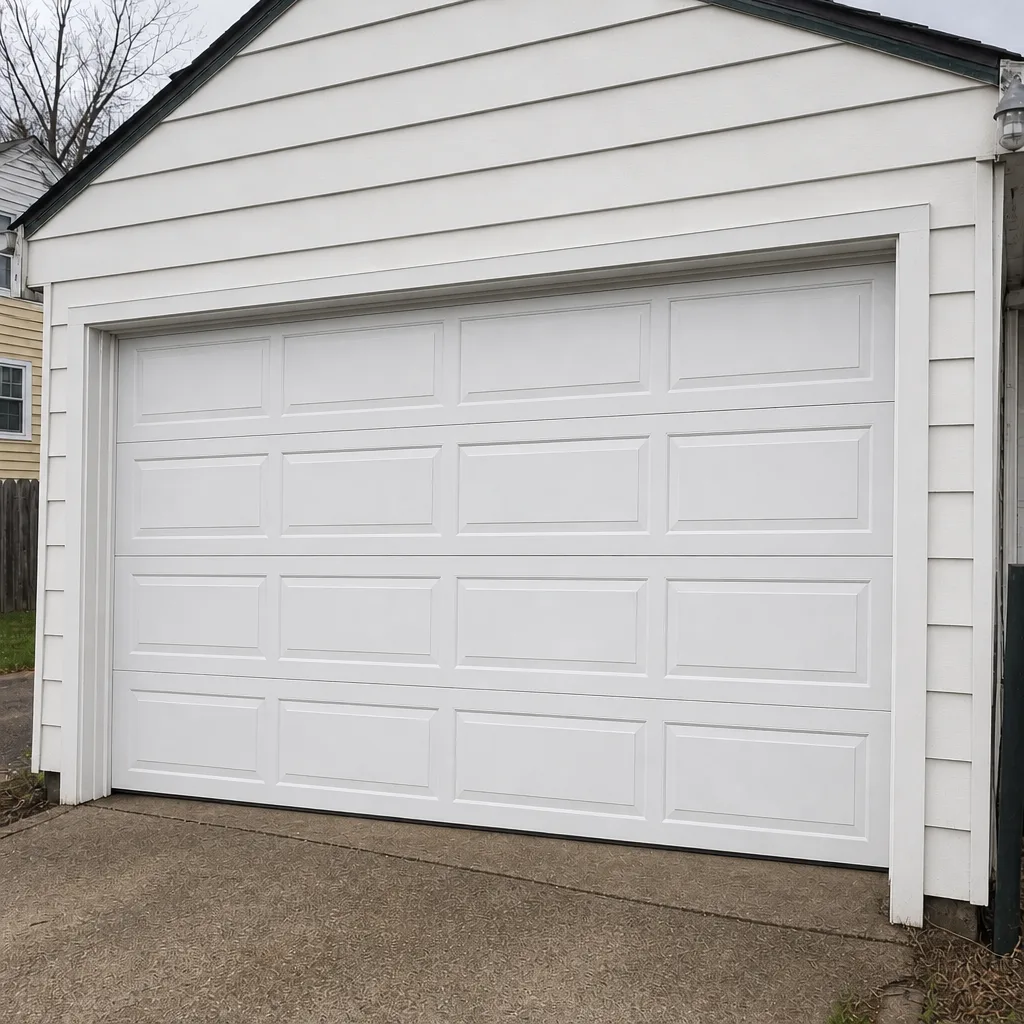 After
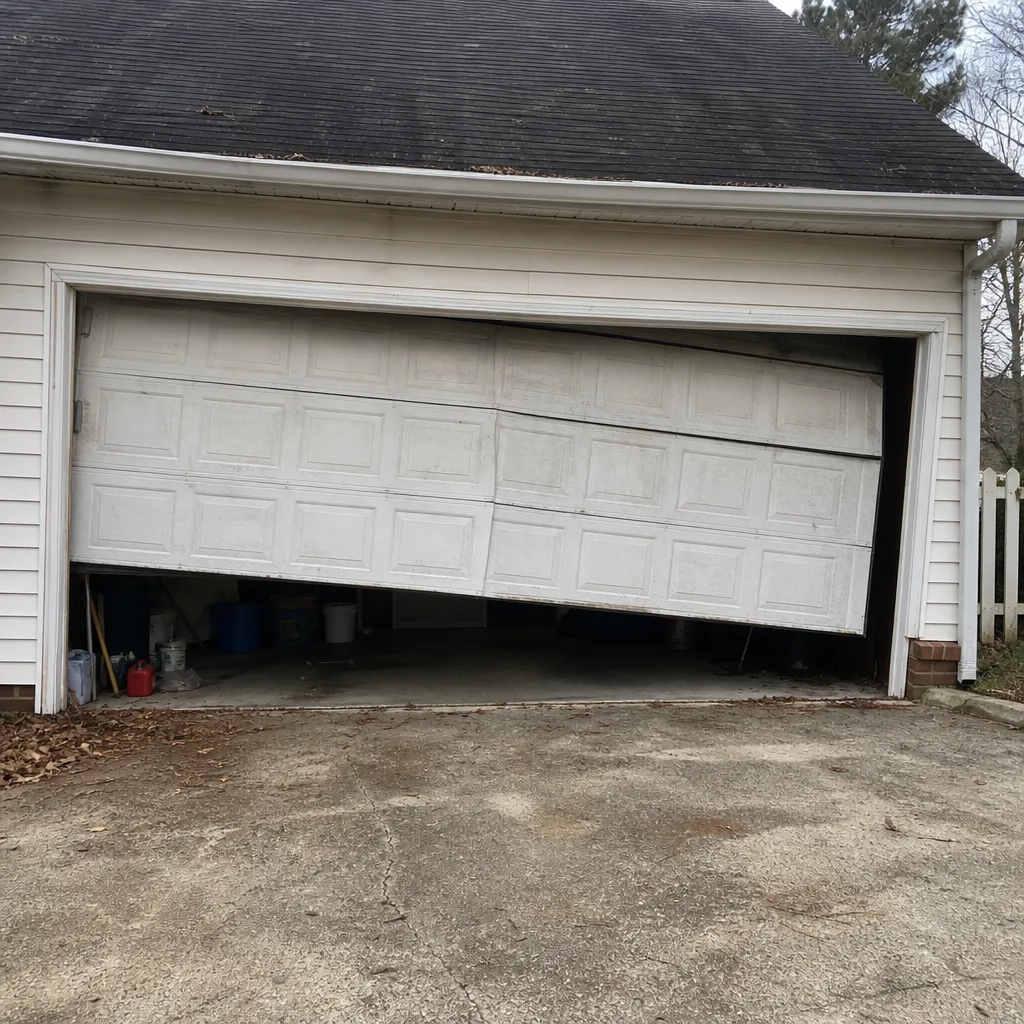 Before
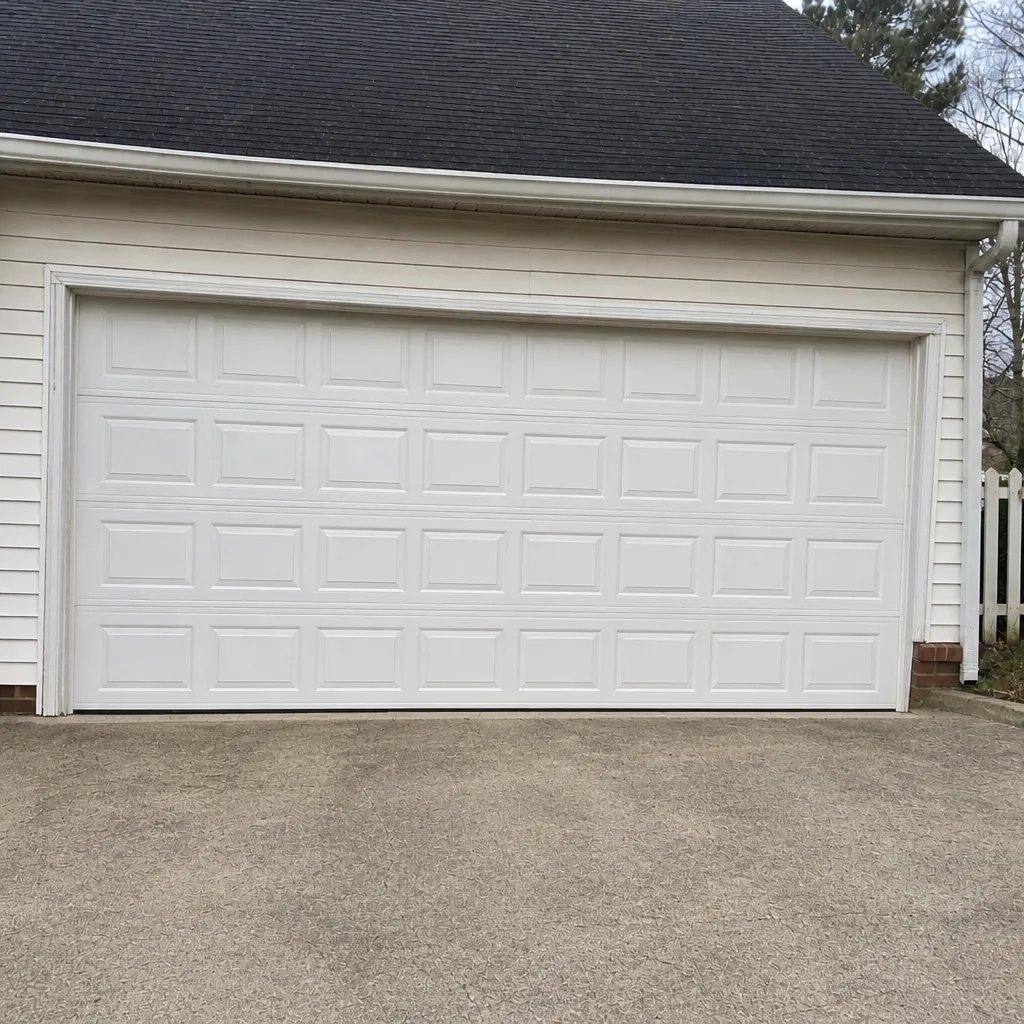 After
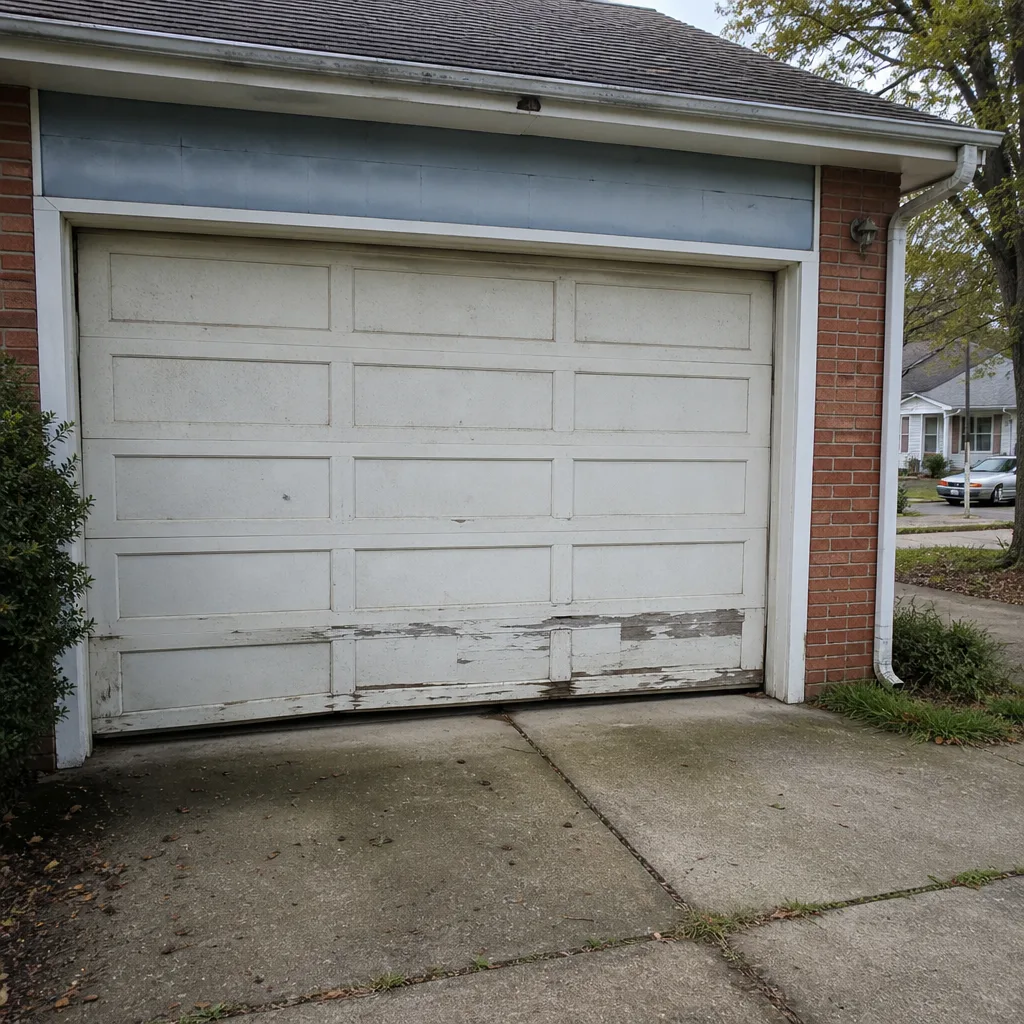 Before
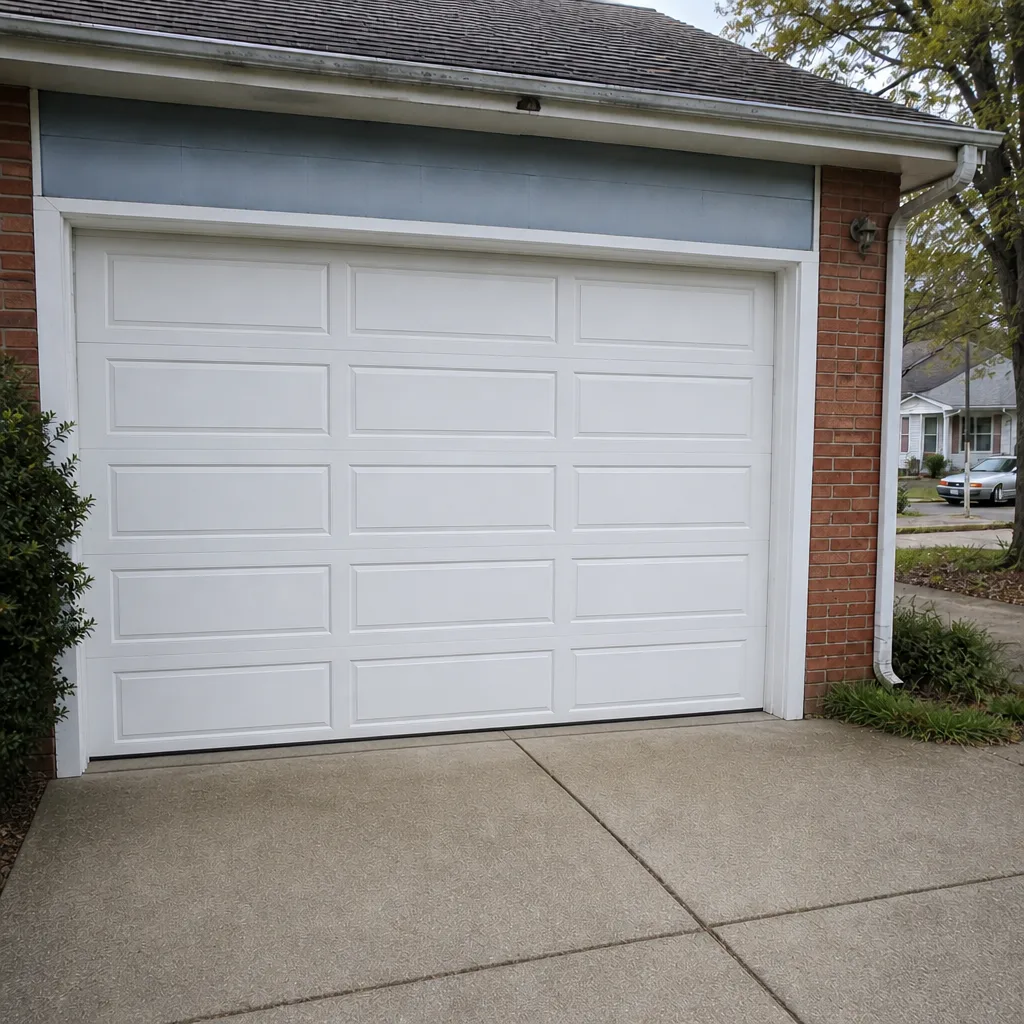 After
When to Call a Professional
Some jobs in this checklist are fine for a handy homeowner: lubricating hinges, wiping down tracks, and cleaning safety sensors. Others need a trained technician, and it pays to know the difference. Call a professional when you see rust or damage on a spring or cable, when the door won’t open or close smoothly, when it feels unbalanced, or when the opener stops working. If a door has failed and left a car trapped or a home unsecured, that’s the situation our emergency garage door service is built for. At Hampton Garage Door Repair Co, we work on the brand you already have and we offer spring repair as a core service. Our technicians have up to 11 years of experience, and we offer free estimates in Hampton, so you’ll know what needs doing before anyone starts. Call (877) 600-5531 for a free estimate.
Frequently Asked Questions
Lubricate moving parts, especially springs and hinges, about every three to six months, and focus extra attention on the humid months from late spring through fall. The moisture in Hampton air works against lubricant, so staying on a set schedule matters more here than in a dry climate. If you notice squeaking or roughness, that’s a sign to check the lubrication earlier than planned.
WD-40 isn’t a good long-term lubricant for a garage door because it’s a light solvent product that doesn’t build a lasting protective film. It can quiet a squeak briefly, but in humid air it washes or evaporates away and leaves metal exposed. Use a moisture-resistant grease or silicone product instead, and apply it to hinges, springs, and roller stems.
Humidity and moisture speed up rust on steel springs, and a rusted spring is weaker than a clean one, so it’s more likely to break. Seasonal temperature swings also put repeated stress on springs as the metal expands and contracts. That’s why spring checks should be part of your routine, not just something you do when the door breaks.
If the door won’t lift, feels extremely heavy, or hangs unevenly, the springs are likely the problem, and a technician can confirm whether a repair or a replacement is needed. A full replacement usually makes sense when multiple parts are failing or the door itself is damaged. Either way, a professional inspection gives you the clearest answer.
No. A torsion spring holds a large amount of stored energy, and releasing it without the right tools and training can cause serious injury. Springs and cables should only be adjusted or replaced by a trained technician. You can inspect for rust and wear from a distance and call a pro if anything looks off.
We offer emergency garage door service for situations where a door has failed and left a car trapped or a home unsecured. Call (877) 600-5531 to reach us and book service. For planned maintenance and repairs, a regular appointment is the better choice.
The Bottom Line
A garage door in Hampton needs a slightly different maintenance routine than the generic advice most homeowners find online. Moisture means springs and hardware rust faster, seals wear differently through the storm season, and wind events loosen hardware over time. The checklist in this guide, run on a month-by-month calendar, is what keeps a door running smoothly and safely. A few minutes of lubrication and inspection a few times a year goes a long way. When something looks like it needs more than routine care, especially at the springs or cables, call a professional rather than risk a dangerous repair. At Hampton Garage Door Repair Co, we focus only on garage doors, so every service we offer is specific to this one system. Reach us at (877) 600-5531 for a free estimate and a straight answer about what your door needs.
Written by the team at Hampton Garage Door Repair Co.