Last updated November 21, 2026
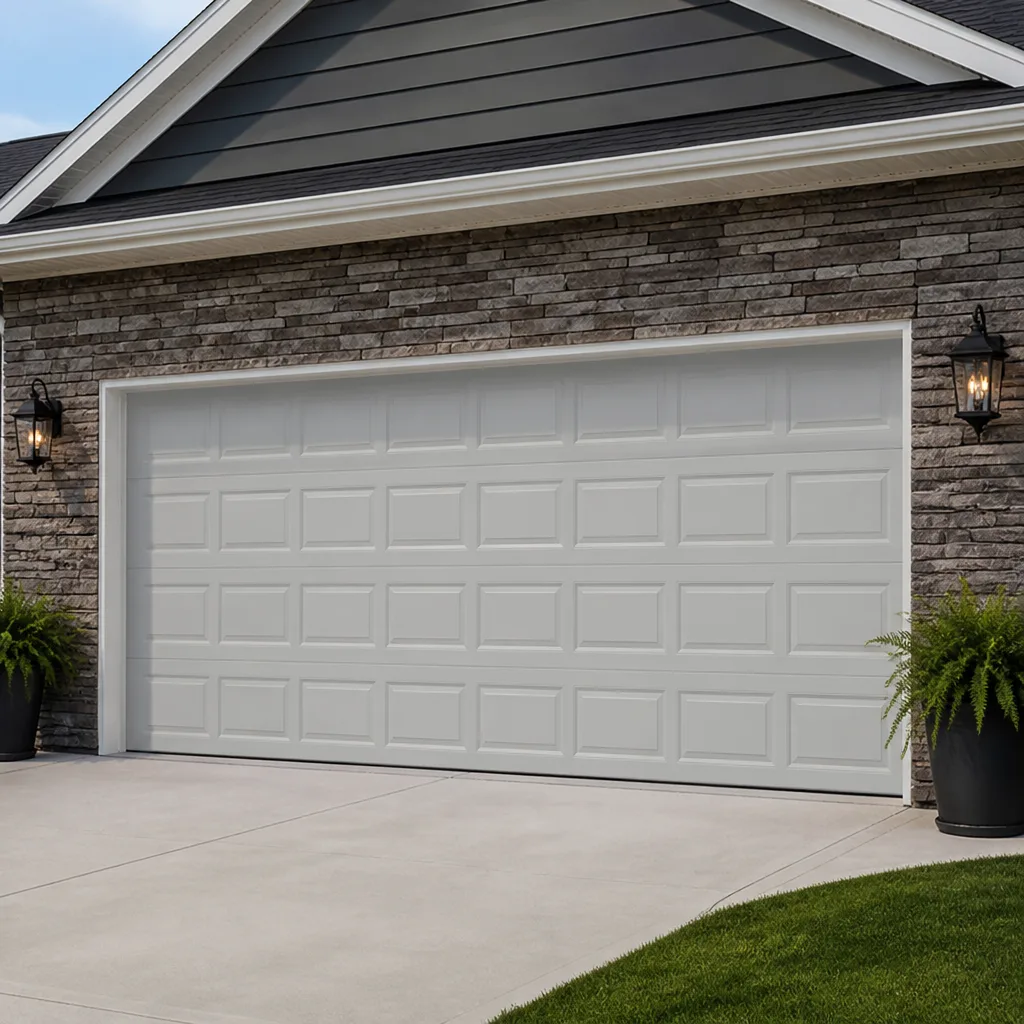 Raised-panel steel
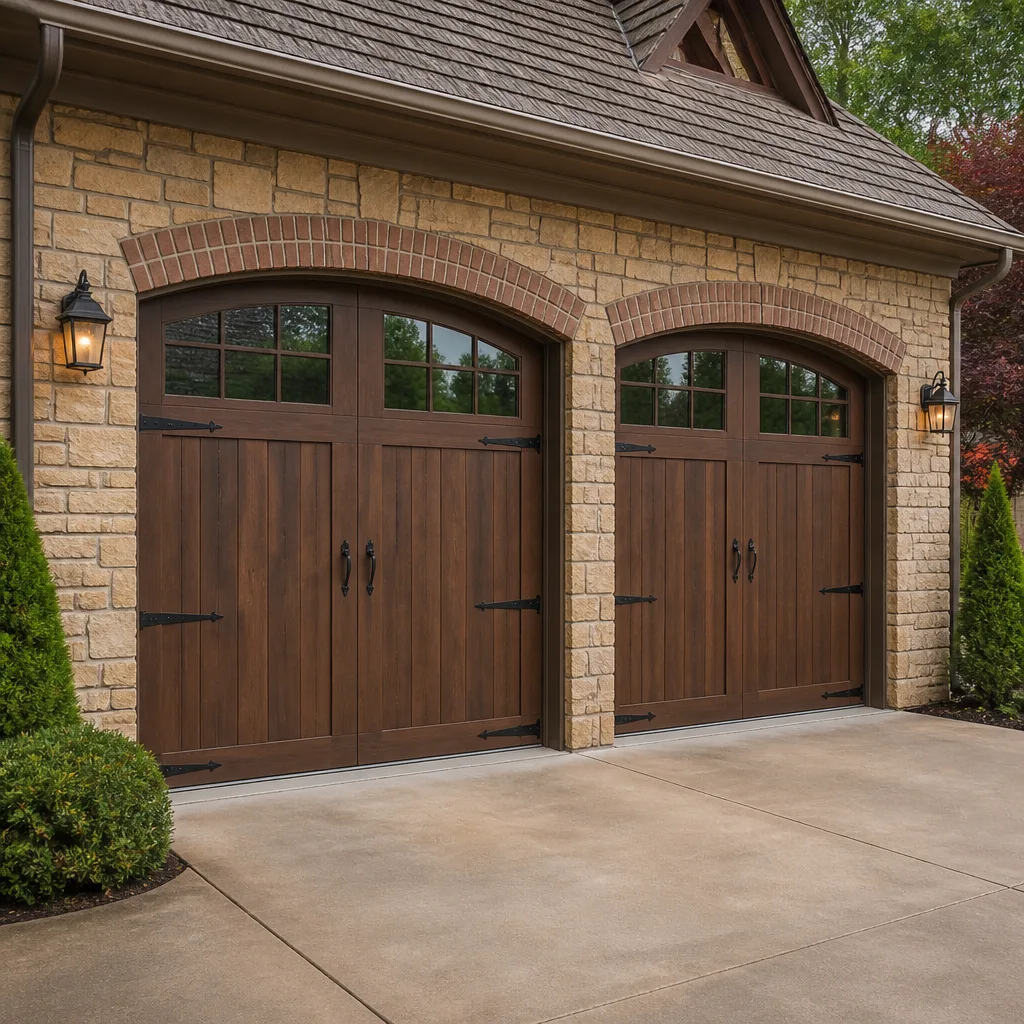 Carriage house
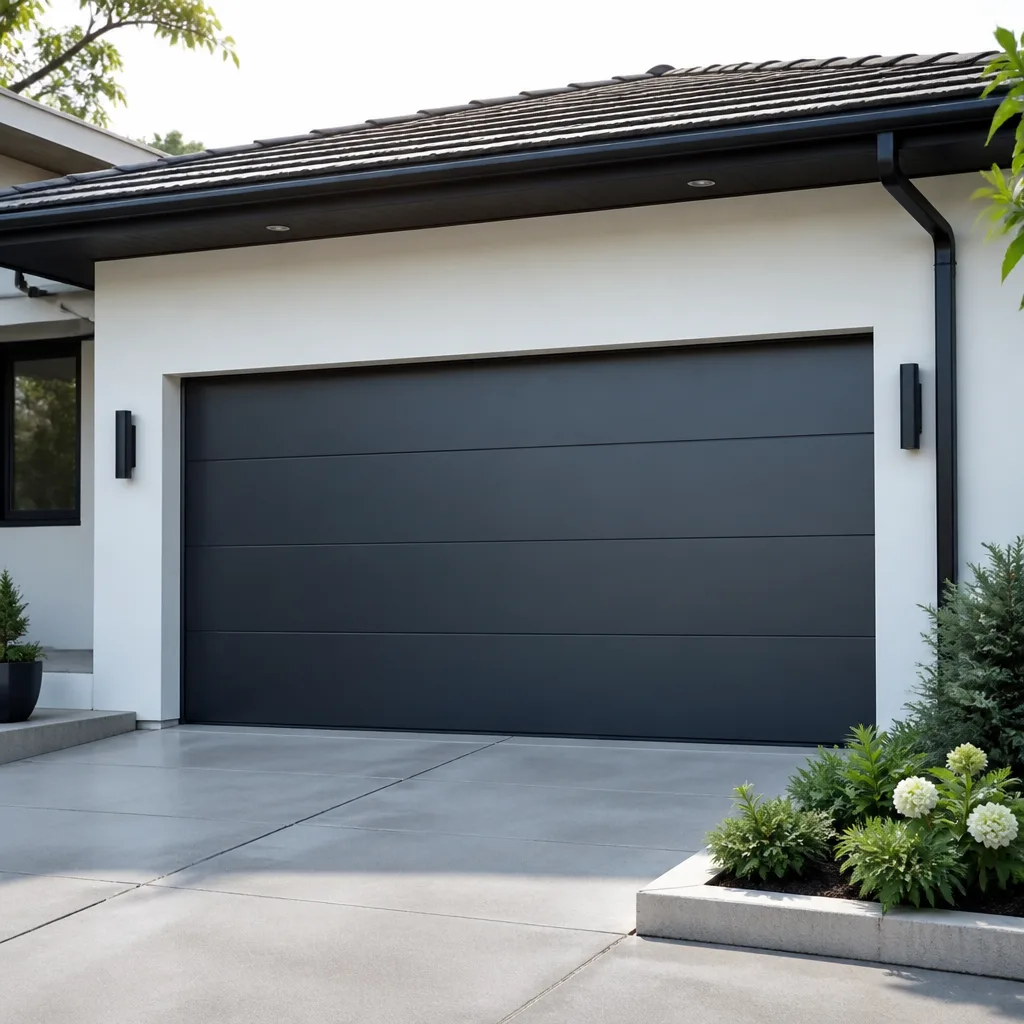 Modern flush
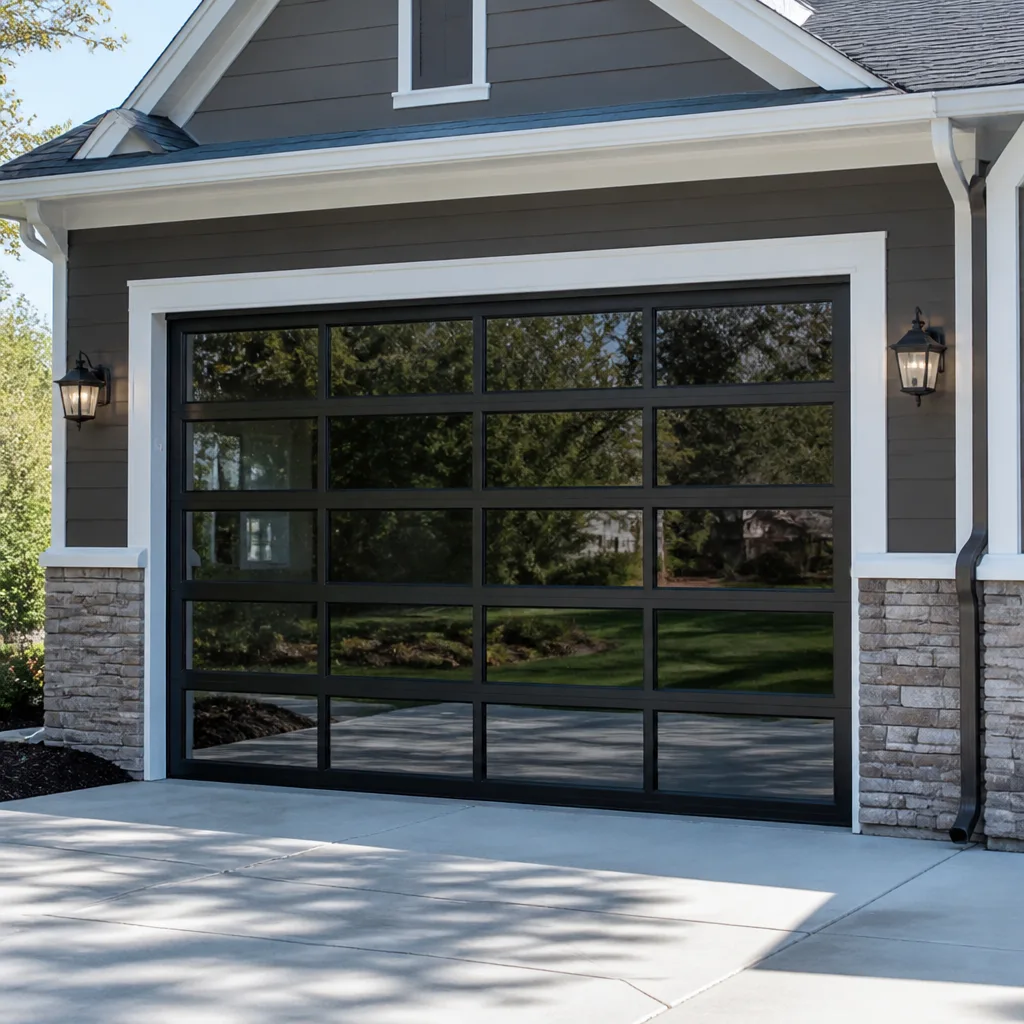 Full-view glass
 LiftMaster openers
 Chamberlain openers
Full 25-point door and opener safety check with every visit - springs, cables, rollers, tracks, and your LiftMaster or Chamberlain opener included
You get a price before we start. It does not change when the pro arrives.
Get your free estimateGarage Door Permits, Codes & Inspections in Hampton, VA: What You Need to Know
Here’s the part that catches Hampton homeowners off guard: a full garage door replacement can legally require a building permit, and the contractor who tells you it doesn’t isn’t saving you time. They’re handing you the liability. Under Virginia’s uniform building code, an exterior door is a structural element with a required wind-load rating, and Hampton sits in a stretch of the state where those wind-load numbers carry real weight. This guide walks through exactly when a City of Hampton permit applies, what an inspector actually looks at, why unpermitted work can complicate a wind-damage insurance claim, and how HOA rules weave into all of it. It’s the paperwork nobody explains, and it matters.
Quick Answer
A building permit from the City of Hampton is generally required when you replace a complete garage door and its track system, change the size of the door opening, or alter the structural framing around a garage door. Straightforward repairs (springs, cables, rollers, a new opener) usually don’t need one. All work has to meet the wind-load requirements in the Virginia Uniform Statewide Building Code (USBC), which governs how exterior openings in this part of Virginia are rated. If you’re replacing a door, ask your city’s building department what your project needs before any material gets ordered.
Styles & brands we work with
- Raised-panel steel
- Carriage house
- Modern flush
- Full-view glass
- LiftMaster openers
- Chamberlain openers
Table of Contents
- When does a garage door project need a permit in Hampton?
- How Virginia’s wind-load code applies to Hampton garage doors
- What an inspector actually checks on a garage door
- How unpermitted work affects homeowner’s insurance
- HOA approval in Hampton: the parallel process
- How to pick a contractor who gets permits right
- The step-by-step permit process in Hampton
- Common mistakes to avoid
When Does a Garage Door Project Need a Permit in Hampton?
The line isn’t as fuzzy as people assume once you understand what the city is actually regulating. A permit exists to confirm that structural work and changes to the building envelope meet code. A torsion spring swap doesn’t touch either one. Cutting new framing or installing a door with a different rating absolutely does.
Here’s the working rule we point homeowners toward, with the standing caveat that the City of Hampton’s building department always makes the final call:
- Often requires a permit: full door and track replacement on an exterior wall, widening or shortening the opening, replacing jambs or the header above the door, converting a manual door to an opener on a door that’s being replaced, or installing a new garage where none existed.
- Usually no permit: replacing torsion or extension springs, replacing a snapped cable, worn rollers, hinges, bottom brackets or weather seal, or swapping out a failed opener for a new one on an existing door.
- Worth a call to the city: a door that gets heavier or changed in material, or any project where the door’s rated wind pressure doesn’t match the original plan. When in doubt, a five-minute call to the building department settles it.
For Hampton specifically, one piece of context matters: the city administers building permits through its own department, and the answer to “do I need a permit” depends on whether the work changes the structural assembly. Replacing a door with an identical, code-compliant model on the existing track is a lighter case than a full removal of the track and reshoring of the opening, which is a structural scope. If you’re planning a replacement on a home in Wythe or Fox Hill, especially the older stock where the framing may not match current drawings, expect the question to come up.
One practical note we give every customer before a replacement: get the permit answer in writing from the city, not from the contractor’s memory. That single document protects everyone if the work is later questioned. For the repair side of the picture, our garage door repair page covers which jobs stay permit-free.
How Virginia’s Wind-Load Code Applies to Hampton Garage Doors
Virginia adopts a single uniform building code that applies across every locality, and within that code there’s a design wind-pressure requirement for exterior openings. A garage door is the largest opening on the front of most homes in Hampton. That makes it a genuine wind-load element, not just a convenience machine that rolls up and down.
The engineering idea is simple: in high wind, the pressure on the door depends on where the building sits, how tall it is, what’s around it, and what it’s rated to resist. A door that was fine on a ranch in the 1980s isn’t necessarily correct for a two-story house that’s been added onto since. When you replace a door, part of the job is confirming the new model’s labeled wind-load rating matches what the code requires for that specific building.
This is why permitting isn’t just a paperwork exercise in Hampton. It’s the mechanism by which the city confirms the door you install is rated for the wind your building will see. A permit application forces the wind-load question to be answered on paper before anyone swings a hammer. Skip the permit and the question never gets asked.
What that means for a replacement in Hampton
- Match the model to the building. The door’s manufacturer label carries a wind-load rating. A replacement needs to meet or exceed the code requirement for that structure, which depends on height, exposure, and location.
- Keep the door’s rated rating visible. Inspectors want to see the labeled rating on the door itself or the paperwork that came with it. Don’t tear labels off before the inspection.
- Reinforce if required. Some installations need a heavier rear reinforcement strut or heavier-gauge track to make the rated number true in the field. A specialist knows when this applies and plans for it before delivery, not the day of.
We work with brands that publish clear wind-load ratings and label them on the door, which makes the inspector’s job easier. Clopay and Amarr both build doors with labeled pressure ratings, and those labels are one reason we steer replacements in Hampton toward models that are straightforward to document. If a general handyman is quoting you a door with no rating documentation, the paperwork problem is only the beginning. Our garage door installation page talks about what a compliant installation actually involves.
What an Inspector Actually Checks on a Garage Door
The inspection is usually brief and focused. It isn’t a service call; the inspector isn’t checking whether the door squeaks. They’re verifying the installation meets the structural and safety requirements of the code for that opening, and that the door’s documentation matches what’s there.
Here’s what tends to come up, in the order it usually happens:
- The door’s labeled rating. The inspector looks for the manufacturer label showing the wind-load rating, then compares it against what the location and building geometry require. No label or an unreadable one can stall the inspection.
- Fasteners and attachment to framing. How the track and header brackets are attached, and what they’re attached to. Loose or shallow fasteners fail.
- Track and bracket alignment. Is the door reasonably level, does it run in the plane of the opening, and are the brackets mounted solidly enough to carry the rated load?
- Reinforcement where required. On a rated installation, a specific strut or heavier track is often necessary. The inspector isn’t checking for a fancy door; they’re checking that the reinforcement matches the rated assembly.
- The condition of the opening itself. If the framing was altered, they’re looking at how the opening is closed and whether the assembly ties in as required.
We mention one specific thing to homeowners before inspection: don’t schedule the inspection until the door is fully installed, the operator (if any) is wired and functional, and the labeled documentation is where it belongs. An inspector who has to come back because the door isn’t running has just added weeks to your project and a second fee to your ledger. The trick is the same as with any building inspection: get it right on the first pass. Our team is factory-familiar with LiftMaster and Chamberlain openers, so a door-plus-opener installation gets wired correctly before the inspector arrives, not after.
How Unpermitted Garage Door Work Affects Homeowner’s Insurance
This is where the stakes jump. “Unpermitted” doesn’t mean an insurer will refuse any claim automatically, but it can affect how a claim is handled, especially one involving wind or storm damage to the door or opening. Insurers look at whether structural work was permitted and inspected. A replacement door with no paper trail is a question mark.
What typically happens when storm damage arrives:
- The adjuster asks for documentation of any recent repair or replacement on the affected opening. A permit record and inspection sign-off is the cleanest answer.
- A door with no permit and no labeled rating can invite a dispute about whether the door met code at the time it was installed.
- If a claim is denied or reduced because the work didn’t comply, the disputed amount sits with the homeowner, not the contractor who skipped the permit.
We’re not in the business of telling anyone what their carrier will decide; that’s between the homeowner and the insurance company. What we can say plainly: permitted, inspected work with labeled, rated parts is the version of a garage door that leaves a homeowner with the fewest questions at claim time. In Hampton, where wind events are a yearly reality, we treat the permit as insurance documentation first and code compliance second. The paperwork is worth more than people think until the day it’s needed.
If your door was replaced by someone else and you’re unsure about permits, call the City of Hampton building department and ask them to check for a record. If there isn’t one, a licensed, inspected retro-installation or documentation correction is possible, and it’s better to address it now than after a storm.
HOA Approval in Hampton: The Parallel Process
In many Hampton neighborhoods, the HOA process runs alongside the city permit and can be stricter, not looser. An HOA can require a specific color, panel style, or material that the city doesn’t regulate at all. It can also require you to submit a survey drawing, a photo of the existing door, and a signed neighbor acknowledgment before approval.
Here’s how the two processes stack:
- Read your HOA documents first. The architectural review requirements are almost always recorded in the covenants. If you don’t have them, ask the board or property manager for the current guidelines.
- Get the HOA application in motion early. The review timeline can be weeks depending on how often the board meets. Don’t order materials until the HOA approves the design.
- Then apply for the city permit. Take the approved HOA design to the city’s building department and file the permit application. The city doesn’t care about the color, but it cares about the rating and structure.
- Install, get inspected, and keep the records. When the door is in, call for inspection and save the sign-off and the HOA approval letter together. That’s your complete file if an insurance question ever arises.
A design the HOA approves but the city rejects, or vice versa, is the worst-case scenario: your door sits on the truck and you’ve paid a restocking fee. Getting the two approvals aligned before ordering is the single biggest way to avoid delay. We worked with an Amarr and Clopay selection for a homeowner in Phoebus whose HOA wanted a specific carriage style, and the whole thing went smoother once both approvals were on the same page. When you work with a specialist, the brand range matters: we keep brand compatibility broad so an HOA-approved design usually has a code-compliant equivalent.
How to Pick a Contractor Who Gets Permits Right
The contractor question and the permit question are the same question. Someone who handles permits properly has done this before, knows the city’s process, and knows what the inspector will look for. Someone who casually says “you don’t need a permit for that” is telling you something about their experience.
What to ask before signing anything:
- “Will this project need a Hampton permit, and will you handle the application?” A clear answer, in writing, is the baseline. “We’ll let you know” isn’t an answer.
- “Can you show me the door’s wind-load label and its rating?” The rated label exists on a compliant door. If there’s no rating, there’s no code compliance.
- “Who signs the permit, and who pays the fee?” Usually the property owner is the permit holder, and the contractor manages the application. Have that spelled out.
- “Have you installed this exact model in this part of Hampton before?” Familiarity with the local framing in older neighborhoods and the current wind-load expectations saves revisions.
- “What happens if the inspection fails?” A responsible contractor owns the rework and the reinspection fee. Get it in the agreement.
We’re a specialist, not a generalist, and we treat the permit as part of the job, not an add-on. Our technicians have up to 11 years of experience, and we’ve handled projects on the eight major brands homeowners already own, which means the door you buy gets installed and documented the way the manufacturer intends. That’s the practical value of a single-trade focus. Our garage door opener repair page explains how a door and its operator should be matched, since that’s part of the inspection picture too.
The Step-by-Step Permit Process in Hampton
This is the sequence most Hampton replacements follow. Timelines vary by the city’s current workload and the HOA’s meeting schedule, so we don’t give a fixed number of days; expect weeks, not days, from first call to final inspection.
- Confirm the scope. Decide whether you’re replacing the full door and track or repairing components. Repairs usually skip the permit; a full replacement usually doesn’t.
- Check HOA requirements. Pull the current architectural guidelines and file the HOA application. Wait for approval before ordering a non-standard design.
- Choose the door and confirm the wind-load rating. Match the model to your building’s requirements and confirm the manufacturer label will be visible after installation.
- Apply for the City of Hampton permit. File with the building department with the door specifications and site information. Answer any plan-review questions promptly to avoid a hold.
- Install the door. Follow the manufacturer’s instructions on attachment and reinforcement. Don’t remove labels or the rated documentation.
- Call for inspection. Once the door is fully installed and the operator is wired and functional, request the inspection.
- Get the sign-off and archive it. Keep the permit record, inspection sign-off, HOA approval, and the manufacturer’s paperwork together. That’s the file an insurer may ask for.
One point we make to every homeowner: if the door fails its inspection because of a reinforcement issue, the fix is usually straightforward but the schedule slip hurts. Get the rated assembly right the first time. That’s what the specialist focus buys you. If you’re comparing options, our main page at Hampton Garage Door Repair Co lays out all five services and how they fit together.
Common Mistakes to Avoid
- Trusting a “no permit needed” verbal answer from whoever showed up to quote. Get the answer from the City of Hampton building department and keep it in writing. A contractor’s opinion is not the same as the city’s.
- Ordering a door before HOA approval. A restocking fee on a custom door is a painful reminder that the HOA timeline has to come first. Confirm the design is approved before any material is ordered.
- Pulling the labels off. The manufacturer’s rated label is the inspector’s evidence. Leave it in place and cover it during painting if you must.
- Installing a lighter door because it was cheaper. The wind-load requirement is dictated by the building, not the budget. A lighter door that doesn’t meet the rating is a future insurance problem.
- Mixing the phases out of order. HOA approval, permit application, installation, inspection. Doing installation between approval and inspection is normal; skipping any of the four isn’t.
- Losing the paperwork. Keep the permit record, sign-off, HOA letter, and manufacturer documentation together. A file that lives on your phone and in a drawer at home is the right approach.
- Assuming repair work needs a permit. It usually doesn’t, and paying a permit fee for a spring swap wastes money. Call the city if you’re not sure.
See the difference
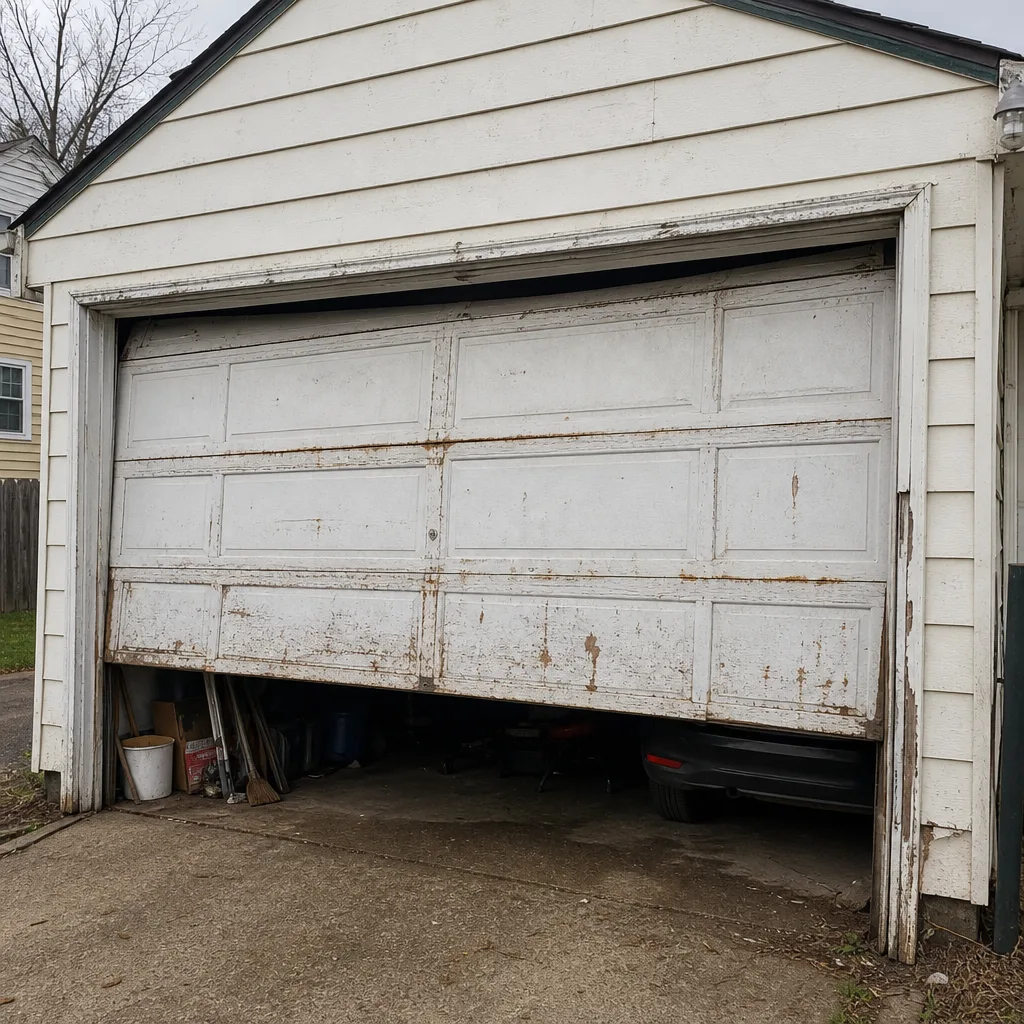 Before
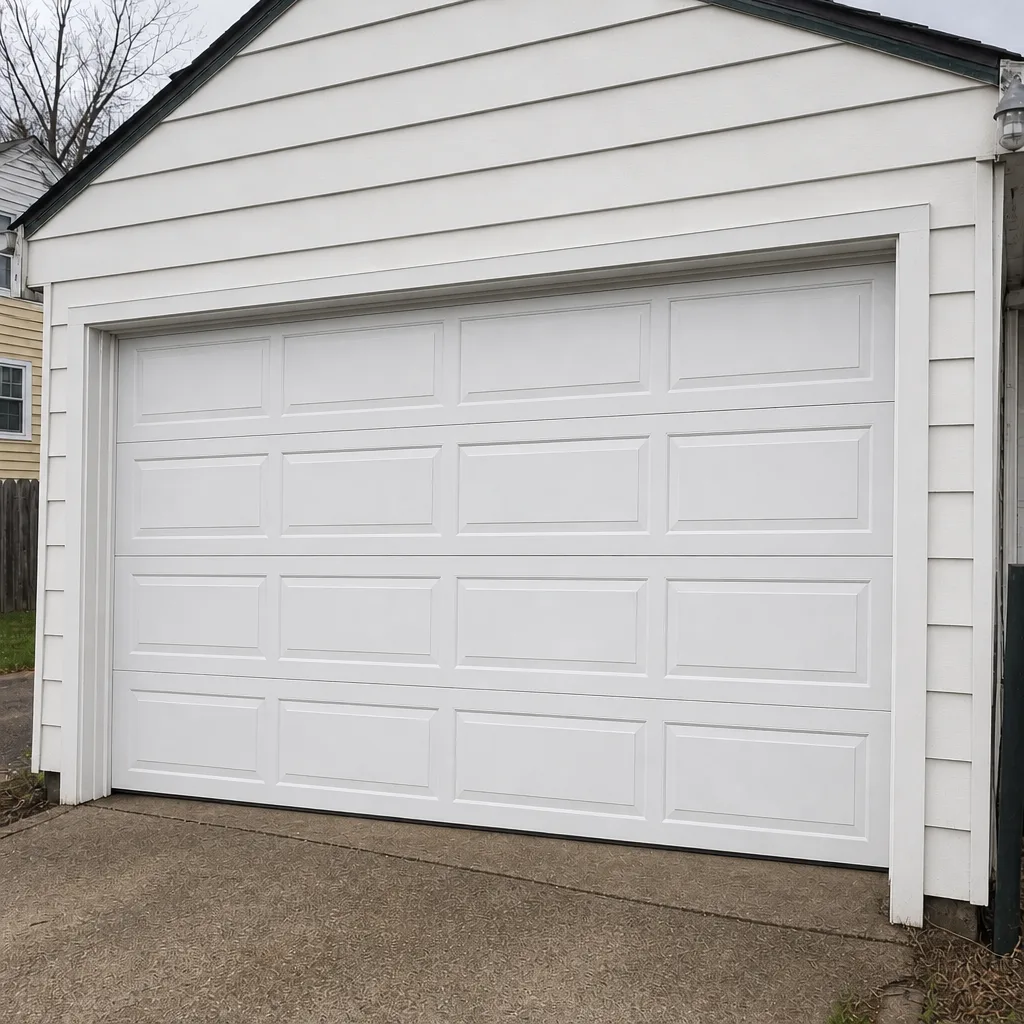 After
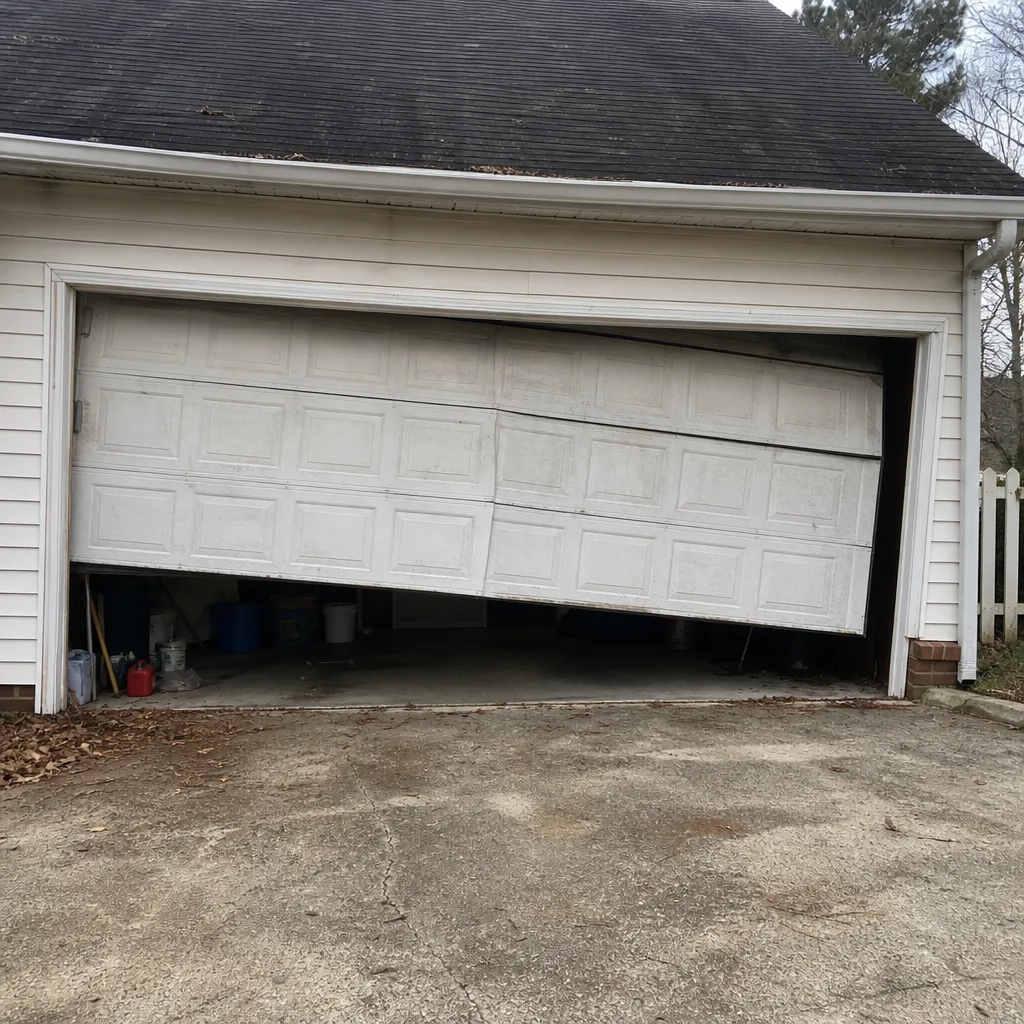 Before
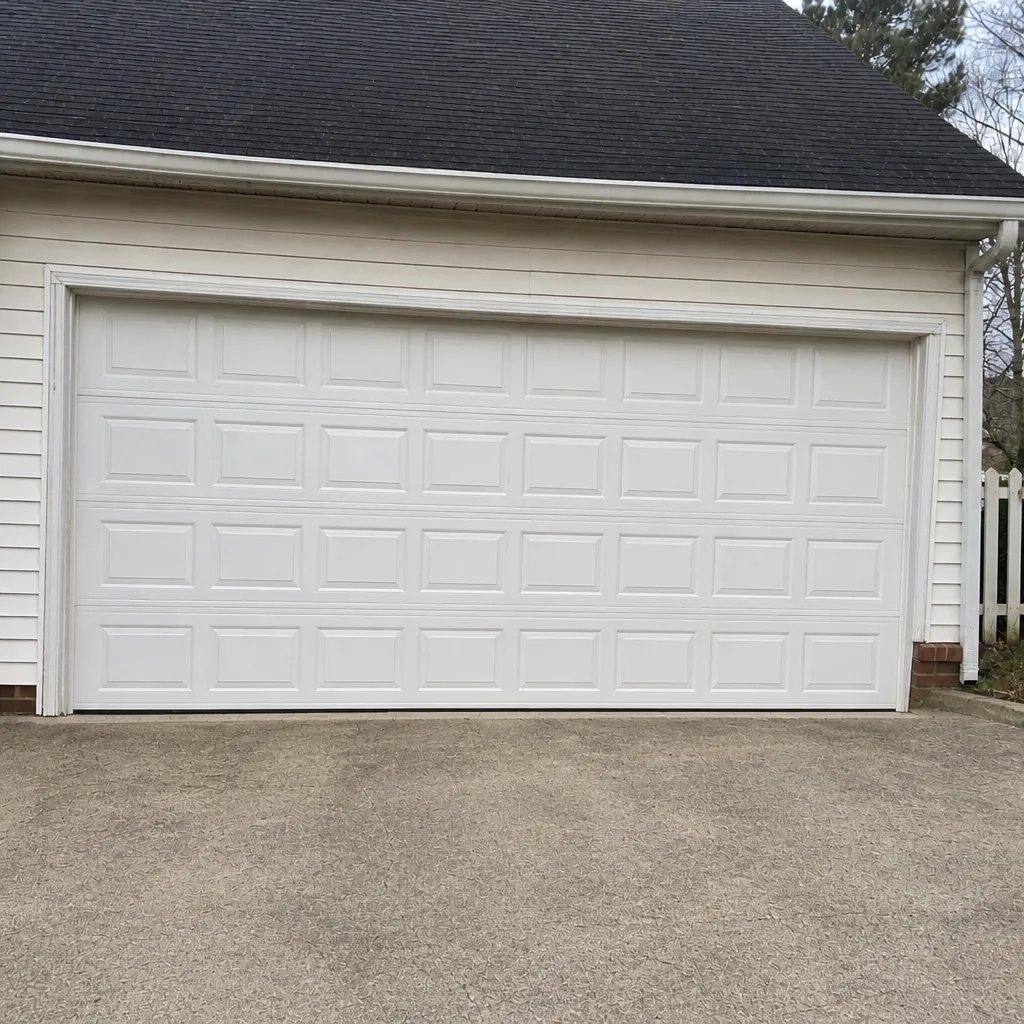 After
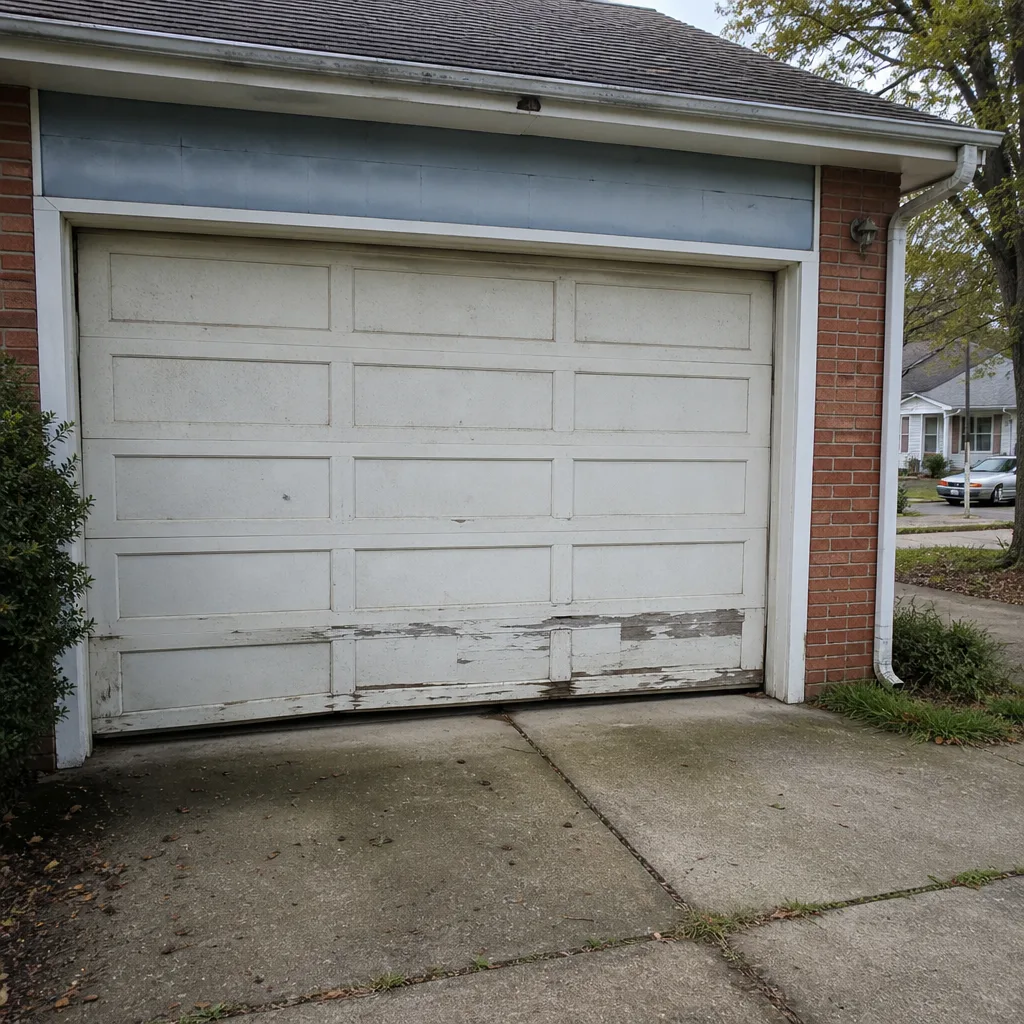 Before
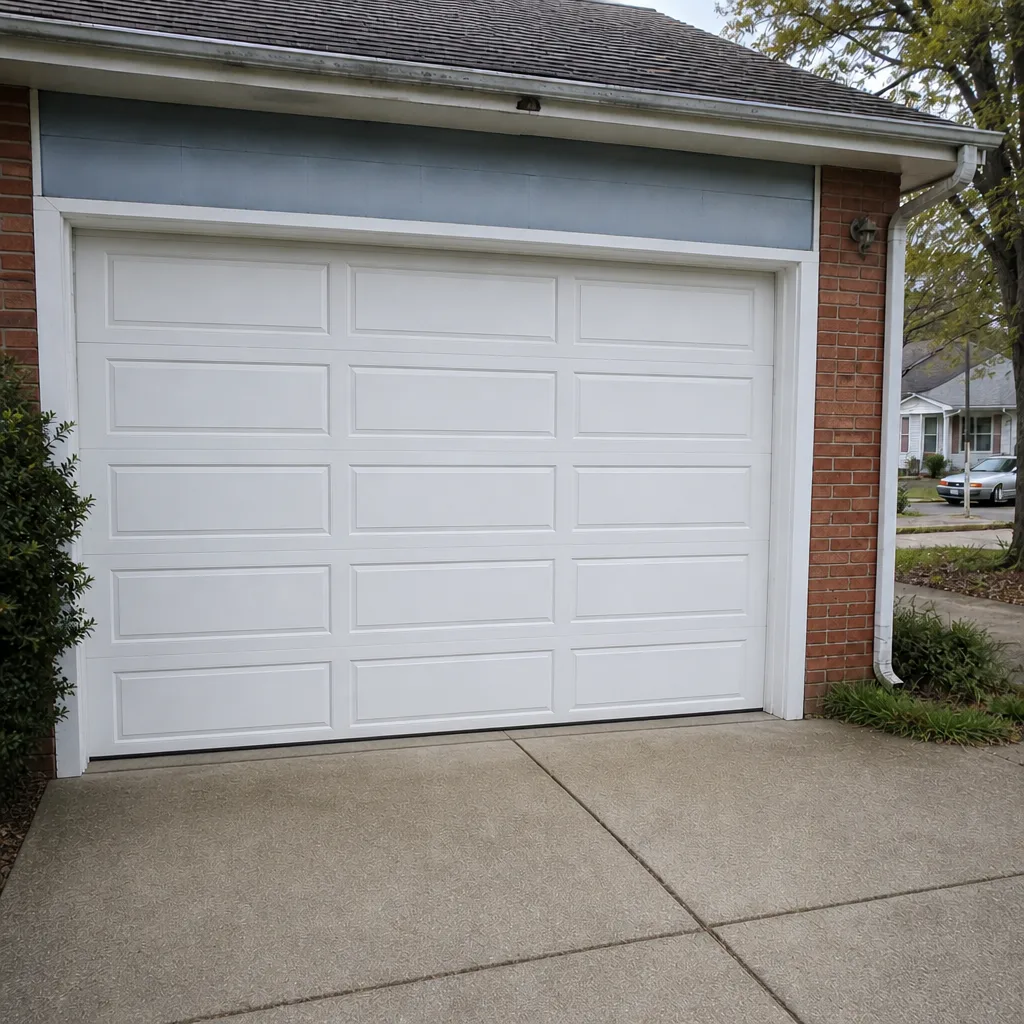 After
When to Call a Professional
If the door has to be replaced and the opening is structural, this is not a weekend project. If a torsion or extension spring has failed, this is not a project at all. Springs are under enormous tension, they’re the most dangerous part of the system, and we mean that literally: a mishandled spring can seriously injure an experienced technician, let alone a homeowner working from a video. Stop and call. The same goes for a snapped cable, a door that’s off its track, or a door that has come down on its own. If an inspector flags an issue you don’t understand, call us before you try to fix it yourself. Hampton Garage Door Repair Co offers free estimates in Hampton, and we can walk through the scope and the permit question in one conversation. Call (877) 600-5531.
Frequently Asked Questions
Usually yes for a complete replacement of the door and track on an exterior opening, and usually no for repairs like springs, rollers, or an opener swap. The final answer comes from the City of Hampton building department, so call them with your project scope. Call (877) 600-5531 if you want help understanding what your project involves before you file.
Virginia’s statewide code sets a required design wind pressure for exterior openings, and the exact number depends on the building’s height, exposure, and location. The door you install has to be rated at or above that requirement and carry a visible manufacturer label. A specialist confirms this before ordering; a generalist often doesn’t.
Many HOAs do require architectural review, often with specific style, color, and material requirements. Read your covenants or ask the property manager before ordering anything. Get HOA approval and the city permit answer aligned before the door ships. Call (877) 600-5531 for design options that stand a good chance of HOA approval.
It can, especially for a wind or storm claim, because insurers look for documentation that structural work was permitted and inspected. Unpermitted work with no rated label can invite dispute. Permitted, inspected work with labeled parts is the version of a garage door with the fewest questions at claim time.
The inspector verifies the door’s labeled wind-load rating, how the track and brackets are fastened to the framing, and that any required reinforcement is present. They’re not evaluating whether the door squeaks or how it looks. Call (877) 600-5531 if you’re preparing for an inspection and want the door installation reviewed first.
Yes. We can look at the installation, confirm whether the door’s rating and attachment are correct, and help you figure out the documentation and re-inspection path with the city. This is a common situation and it’s usually resolvable. Call (877) 600-5531 to set up a free assessment.
The Bottom Line
A Hampton garage door replacement is a structural project on the largest opening on your home, and the permit exists to confirm it meets Virginia’s wind-load requirements. Get the permit answer from the City of Hampton building department in writing. Get HOA approval before you order the door. Make sure the door you install has a rated, labeled wind-load value and that the installation matches the rated assembly. Keep the paperwork together, including your inspection sign-off and HOA letter, because that file is what an insurer may ask for after a storm. Repair work usually skips the permit; replacement usually doesn’t. When in doubt, call a specialist.
Hampton Garage Door Repair Co works on the brand you already have, and our technicians have up to 11 years of experience across the eight major manufacturers. We handle repair, opener service, spring work, emergency service, and full installation, so whether you’re facing a spring failure or a full replacement with a permit, there’s one team for the whole job. Call (877) 600-5531 for a free estimate, and we’ll walk through the scope and the paperwork question before any work begins.
Written by the team at Hampton Garage Door Repair Co.