Last updated November 21, 2026
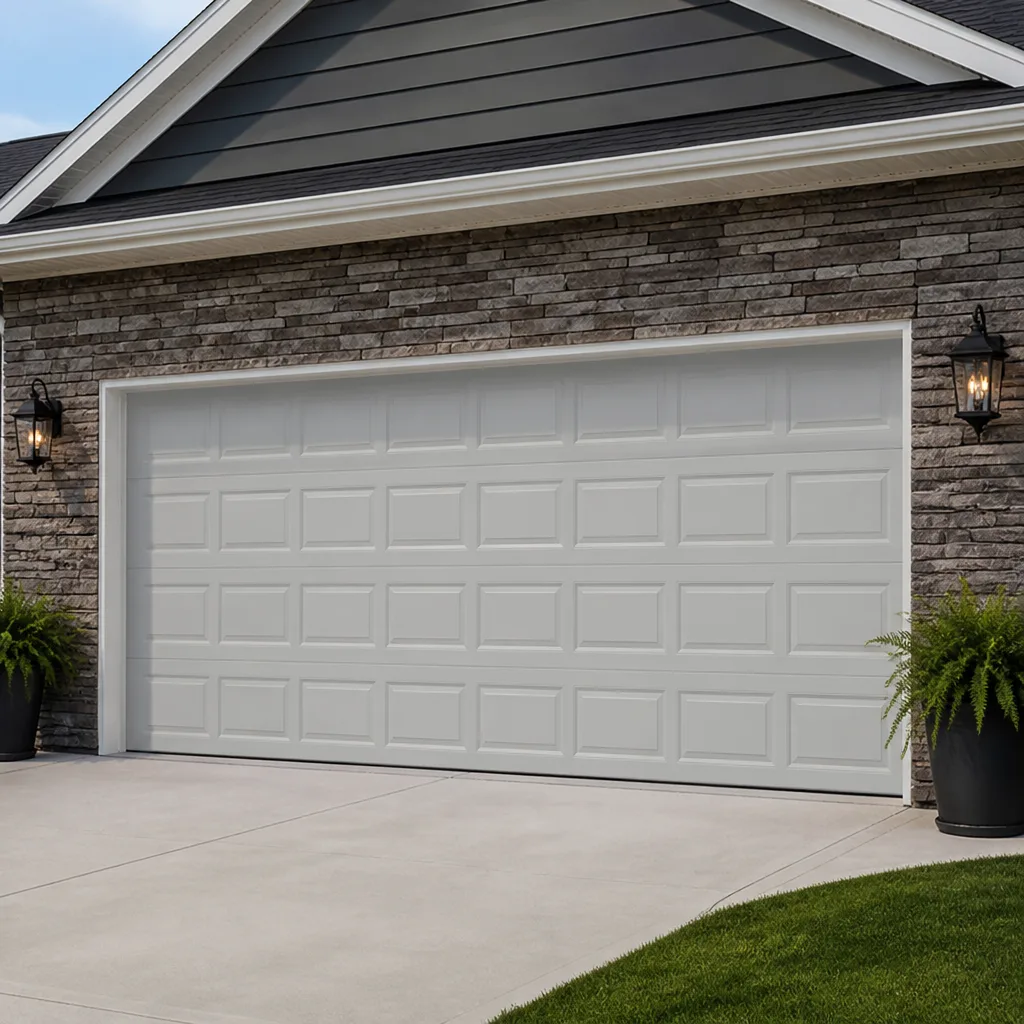 Raised-panel steel
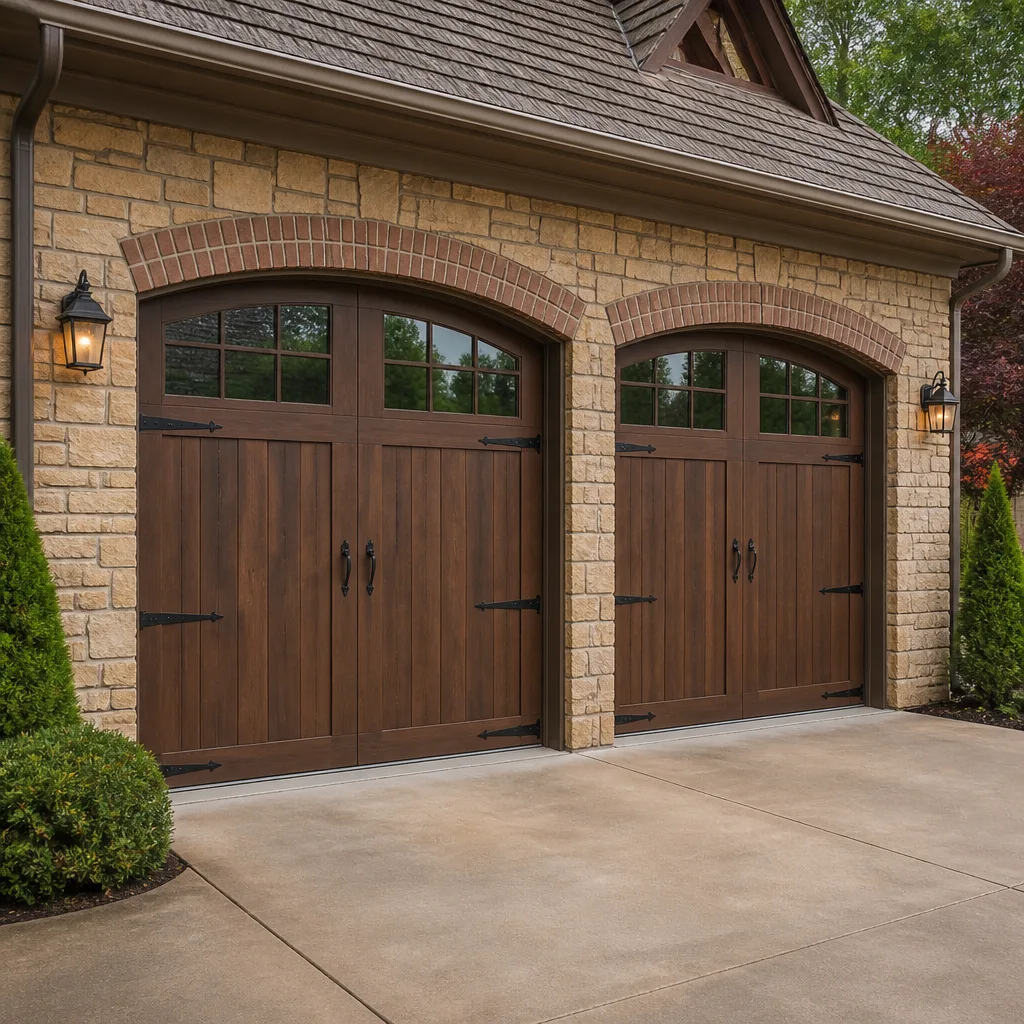 Carriage house
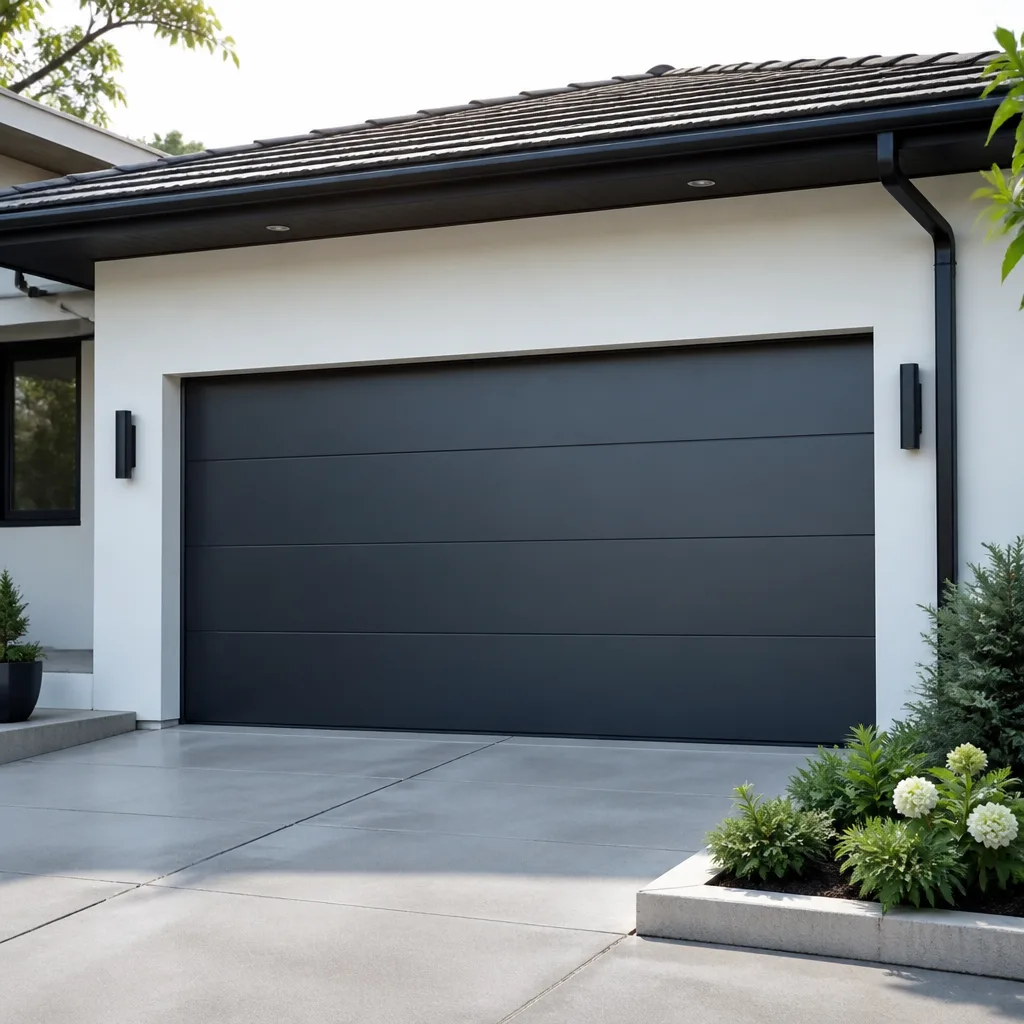 Modern flush
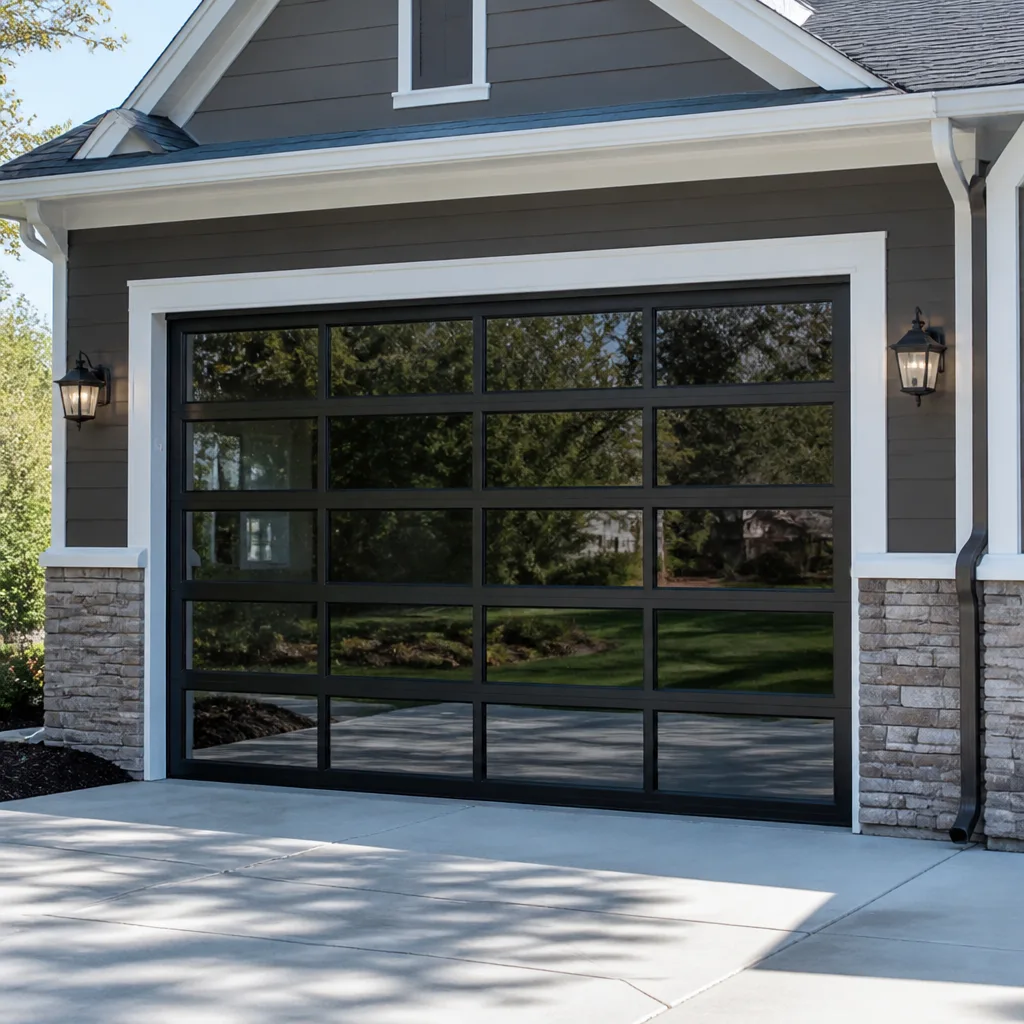 Full-view glass
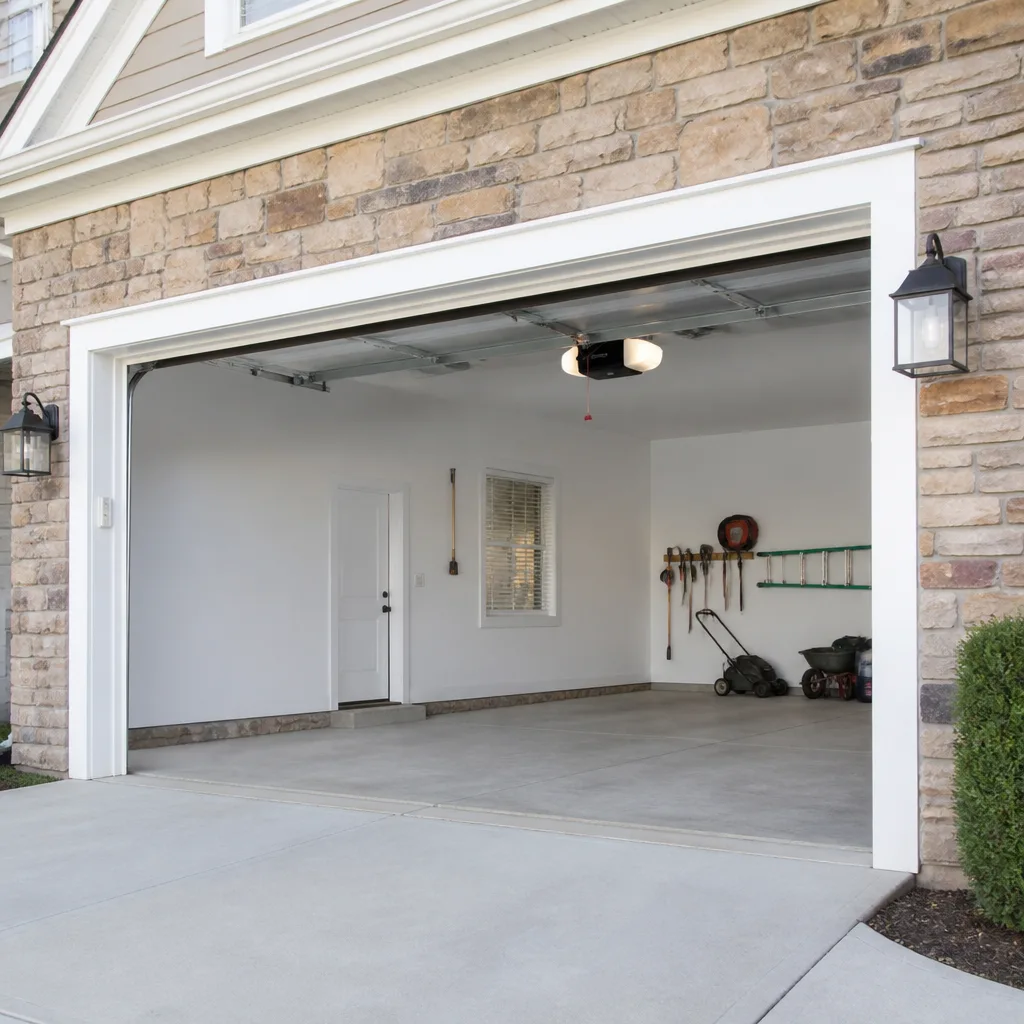 LiftMaster openers
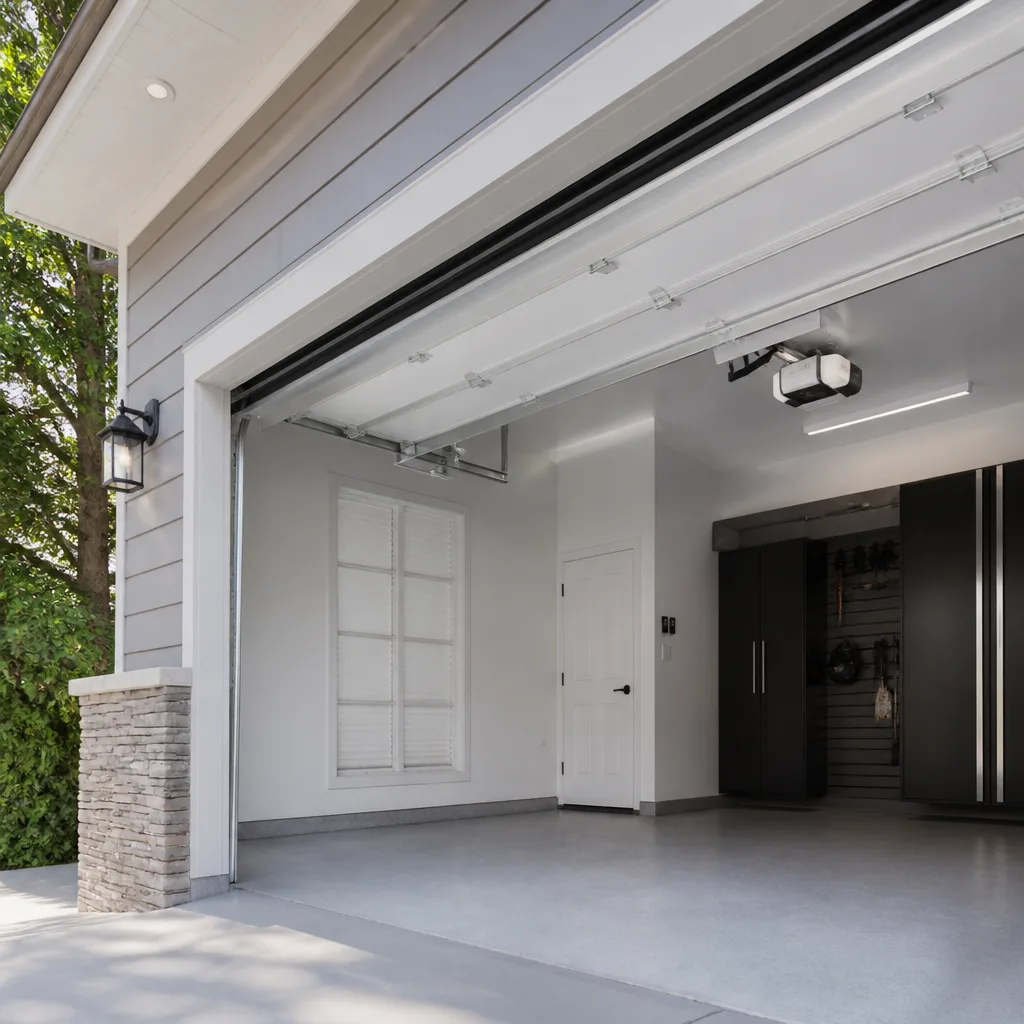 Chamberlain openers
Full 25-point door and opener safety check with every visit - springs, cables, rollers, tracks, and your LiftMaster or Chamberlain opener included
You get a price before we start. It does not change when the pro arrives.
Get your free estimateGarage Door Emergency Preparedness Guide for Hampton Homes
Most Hampton homeowners treat a broken garage door as a repair problem. It’s really a preparedness problem, and it belongs on the same list as batteries, bottled water, and a full tank of gas. When a tropical system knocks out power across Hampton, the garage is often the one door in the house nobody has a plan for. A door that won’t open traps a car, seals off the safest room to shelter in, and leaves a large opening your home can’t afford to leave unsecured. Fewer things are more frustrating after a storm than standing in a dark garage pulling a cord that snaps or jams because nobody checked it beforehand. This guide covers what to learn before the season, how to operate your opener by hand, how to secure a dead door, what to inspect on the door itself, and what to do if a storm damages it.
Quick Answer
Garage door emergency preparedness in Hampton means three things: knowing how to manually release your specific opener brand, having a way to secure the door when power is out, and inspecting springs, cables, rollers, and the door’s structural panels before hurricane season so the door can take wind pressure. Learn the manual release before you need it. A door that fails during or after a named storm is a security and structural problem, not just an inconvenience.
Styles & brands we work with
- Raised-panel steel
- Carriage house
- Modern flush
- Full-view glass
- LiftMaster openers
- Chamberlain openers
Table of Contents
- Why a Garage Door Plan Belongs in Your Hurricane Kit
- How Do You Manually Release a Garage Door Opener?
- What If the Red Release Cord Is Jammed or Missing?
- How Do You Secure a Garage Door During an Extended Outage?
- The Pre-Season Garage Door Inspection Checklist
- What to Do When a Storm Damages Your Garage Door
- Battery Backup for Openers: Who Should Prioritize It?
Why a Garage Door Plan Belongs in Your Hurricane Kit
Your garage door is your home’s largest moving part, and during a storm it’s also one of its most exposed surfaces. It’s a big, relatively light panel hung on tracks, held under tension by springs. Wind pushes on it. If the door fails and blows inward, the pressure inside the house changes and the rest of the structure is suddenly working against forces it wasn’t designed to handle. That’s the structural side of the vulnerability. The security side is simpler: when a garage door is stuck open, anyone can walk in.
Hampton sees the full range of hurricane-season problems. Tropical events have taken down power across the city more than once in the past decade, sometimes for days. That matters because most garage doors in Hampton homes are electric, and a dead opener means a dead door unless you know the manual release. It’s not the kind of thing you want to learn by flashlight in a rush.
There’s also a quieter issue: the door that works fine in calm weather but is one worn spring away from failing. Springs don’t fail politely. A torsion spring can let go at any time, and if it happens while you’re driving out for supplies, you’re stuck. A handful of checks before June makes a real difference. Learn your door now, and a storm becomes a nuisance instead of a crisis.
How Do You Manually Release a Garage Door Opener?
Every residential opener has a manual release, and the process takes about four minutes to learn once. The exact cord location varies a little, but the sequence is the same across the brands most Hampton homes run, whether that’s a LiftMaster, a Chamberlain, a Genie, or a Raynor. Here’s the standard method.
- Close the door and step clear. Pull the release with the door fully down, not halfway. A door released mid-travel can drop hard.
- Find the release cord. It hangs from the trolley on the rail, usually a red handle or a rope with a red knob near the top center of the doorway, at about head height.
- Pull straight down, firmly but not violently. You should hear the trolley click free. The door is now disconnected from the opener and moves by hand.
- Lift the door by hand to check it moves freely. It should rise with steady pressure and stay put when you let go halfway. If it won’t hold, stop and read the safety note below.
- To re-engage, push the door up until the trolley carriage rides back into the opener and clicks into place, then run the opener once to confirm it reconnected.
Safety note: the same release that lets you open the door by hand also means the door is no longer being held by the opener. Springs and cables stay under heavy tension at all times, and a door that won’t hold position or slams shut on its own is a sign of a spring or balance problem you should not work around. That’s a job for a trained technician. If what you need is fixing the opener itself once power is back, that’s what garage door opener repair is for.
What If the Red Release Cord Is Jammed or Missing?
If the release cord won’t pull or has been removed, don’t force it with tools. That’s how trolleys break and how doors come down unexpectedly. In our experience, a jammed cord usually comes down to one of a few causes:
- Too much load on the trolley. If the door is pressing against the opener because a spring is weak, the trolley won’t slide free. Pulling harder won’t fix a tension problem.
- The lever has rusted or bent. The release arm can stick on older openers, especially ones that have sat through humid summers.
- The cord is missing or has been tied off. Some previous owner removed the handle, or the rope snapped years ago and was never replaced.
On some openers you can reach the release lever from a stepladder and push it with a screwdriver, but only if you can do it safely with the door fully closed and clear of the track. If the lever won’t move easily, the door is staying locked for a reason. That’s when it’s time to call a specialist rather than improvise. A technician can reset the trolley, check the spring and balance, and replace the cord so the next storm finds you prepared. Call (877) 600-5531 if you’re not sure, and we’ll walk you through what’s safe to try.
How Do You Secure a Garage Door During an Extended Outage?
When the power is out for days, your garage door needs to stay closed and locked, not just shut. A disconnected door will hold closed by gravity, but it isn’t locked. Here are temporary methods that actually hold, listed from simplest to most robust:
- Use the deadbolt (slide lock) if the door has one. Most manual garage doors have a slide bolt on each side. Slide both into their keeper holes. This locks the door physically, independent of the opener.
- Add a track block on the inside. A sturdy clamp or a short piece of wood clamped across each vertical track just above the bottom rollers will stop the door from being lifted from outside. This holds even if the deadbolt mechanism has failed.
- Brace the door against outward pressure. For an approaching system, a vertical board wedged from the floor up against the inside of the bottom panel adds resistance to inward push. This is a temporary measure, not a substitute for a properly rated door.
- Lock the interior door and remove valuables from easy reach. If the overhead door has any gap, keep the space between the garage and the house locked tight.
Two things not to do: don’t block the tracks with anything that could fall into the track when the door is later run, and don’t drill new locks into the door face. A hole through a panel is a weakness, and you may be drilling into hollow sheet metal. If you’re not sure your door can be locked securely, an inspection will tell you before the season.
The Pre-Season Garage Door Inspection Checklist
A garage door that will hold wind pressure is not the same as a door that opens and closes. The inspection that matters before hurricane season looks at how the door handles force. You can check some of it yourself. Anything involving springs, cables, or balance should be checked by a professional.
What you can check safely:
- Weatherstripping and bottom seal. The seal along the ground and the vertical strips along the sides keep wind from getting behind the door. Cracked or missing seals let air in, and air drives failure.
- Hinge screws and panel fasteners. Tighten any screws that have worked loose. A panel that rattles is a panel that is moving when it shouldn’t.
- Rollers. Worn or chipped rollers make the door track badly and put stress on the frame. If they wobble, they need replacing.
- Visual spring and cable condition. Look, don’t touch. A cable with unraveled strands or a spring with a visible gap in the coil is a problem.
- Door balance. Lift the door by hand halfway and let go. A balanced door stays put. A door that drifts down is fighting its springs.
What a professional should check:
- Cable tension and drum condition
- Spring tension and alignment, including both springs on a matched pair
- Track plumb and anchor condition against the frame
- Whether the door is rated for the wind load your area sees, and whether the manufacturer’s rated hardware is intact
For most Hampton homes that means checking before the season starts, not the week a system is named. If the inspection turns up a problem, garage door repair is the place to start.
What to Do When a Storm Damages Your Garage Door
After a storm, treat a damaged door as dangerous until you’ve assessed it. Here’s the safe sequence.
- Don’t open it by hand and don’t run the opener. A door that’s dropped a panel or lost tension can come down or twist in its tracks. Running the opener on a damaged door can bend the track permanently.
- Assess from outside and from the interior door, not from under it. Look for panels pushed in, a door off its tracks, a visible broken spring, or a door that has dropped on one side.
- Shore up the opening temporarily. If the door won’t close, board the opening from the inside using vertical boards against the frame, or from the outside with plywood screwed into the garage door header. Keep it secure until a technician can get to it.
- Don’t try to rehang the door yourself. Cables and springs are under heavy tension and a rehang is where most of the injuries happen. That’s a job for a trained technician.
- Call for help. If the door leaves your home open or a car trapped, we have emergency service available. Emergency garage door service exists for exactly this: a door that creates an immediate safety or security problem after a storm.
If the door can’t be repaired safely, that’s when a replacement makes sense. garage door installation handles the full replacement, including measuring the opening and matching the door to your track and opener. For less severe damage, repair is usually the better call. The point is to decide calmly, with the opening secured first.
Battery Backup for Openers: Who Should Prioritize It?
Battery backup keeps your opener running for a while after the power goes out. It doesn’t replace your spring or your manual release, but it does let you open and close the door through a short outage without leaving your car inside. For some Hampton homeowners it’s a clear priority; for others it’s optional.
Prioritize battery backup if:
- Someone in the household has mobility or medical needs and can’t physically lift a manual door
- Your garage is your only vehicle exit and the manual release is hard to reach
- You live in a low-lying part of Hampton where outages during storm season tend to last longer
- You have a heavy door or a two-car door that’s hard to lift by hand
Battery backup is optional on recent openers that already have it, or if you’ve tested the manual release and the door is easy to lift. Many LiftMaster and Chamberlain models sold for residential use accept a backup battery as an add-on. If you’re not sure which opener you have, check the model plate on the back of the motor housing or ask a technician to identify it. We’re factory-familiar with LiftMaster, Chamberlain, Genie, and Raynor systems, so we work on the brand you already have rather than steering you toward something new. If backup makes sense for your household, it’s an easy upgrade.
Common Mistakes to Avoid
- Testing the manual release for the first time during an outage. Pull the cord before the season so you know it moves and how your door feels by hand. Discovering it’s jammed in the dark is exactly the wrong moment.
- Forcing a jammed release cord with tools. If it won’t pull, the load on the trolley is usually the reason. Forcing it can break the carriage or drop the door.
- Lifting a broken door back onto its tracks after a storm. A door with a snapped spring or gone cable is under unbalanced tension. This is one of the most common ways homeowners get seriously hurt during storm cleanup.
- Running the opener on a door that’s out of balance. If the door drifts when you lift it halfway, the opener is fighting the springs. Keep running it and you’ll burn out the motor on top of replacing the springs.
- Bolting new locks through the door face. Temporary track blocks and deadbolts are the safe approach. Drilling a panel weakens it and creates a leak point for wind and rain.
- Skipping the door on the storm prep list. Shutters and supplies get all the attention. The largest opening in the house often gets none, and it can be the one that fails.
- Ignoring a door that’s been sluggish all year. A door that hesitates or sounds loud is telling you a spring or roller is on its way out. Fix it before a storm piles on.
See the difference
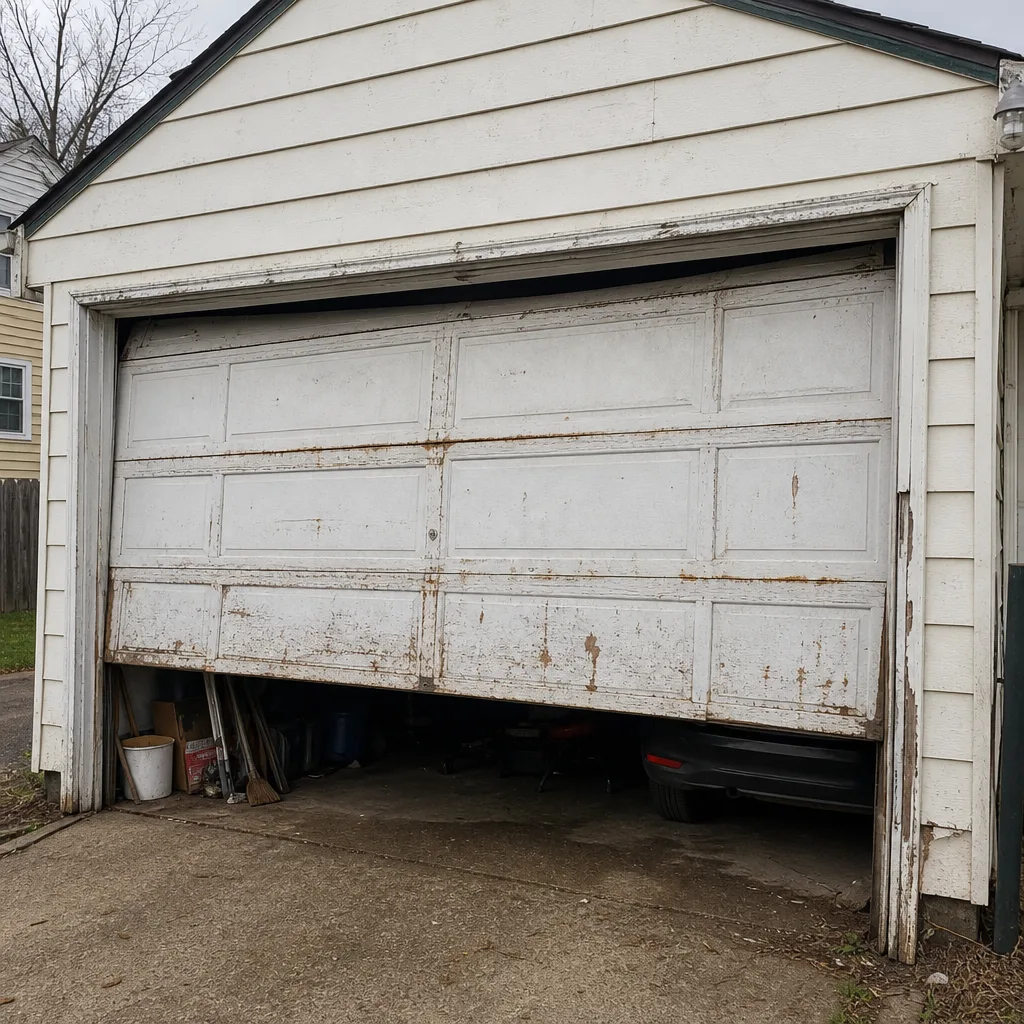 Before
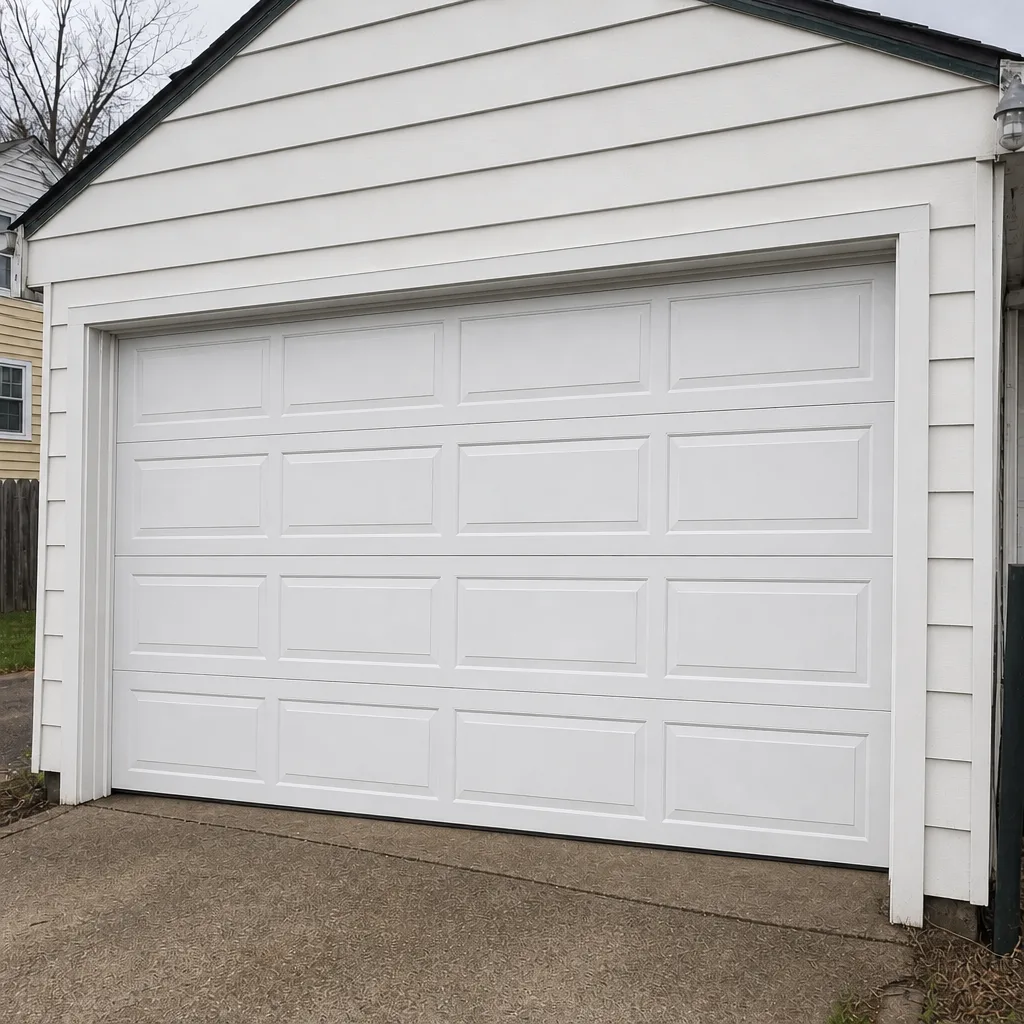 After
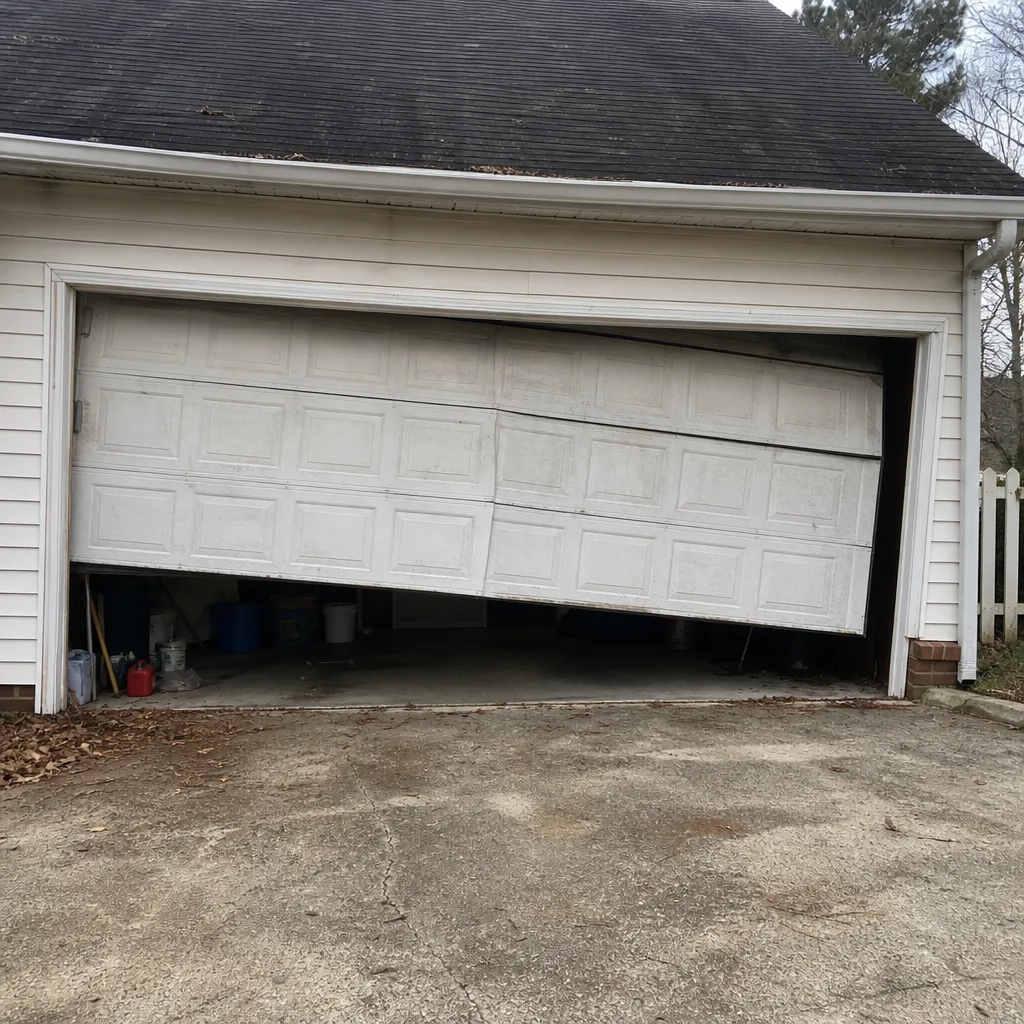 Before
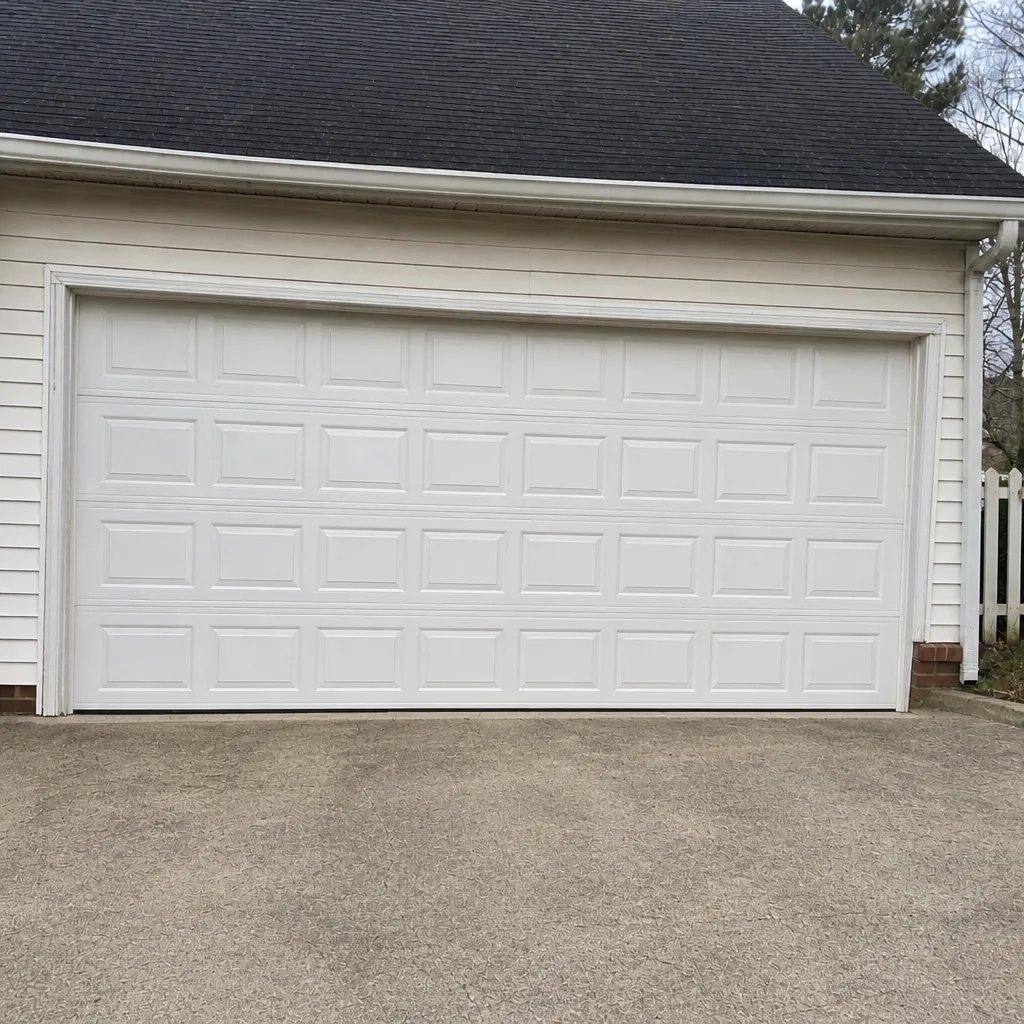 After
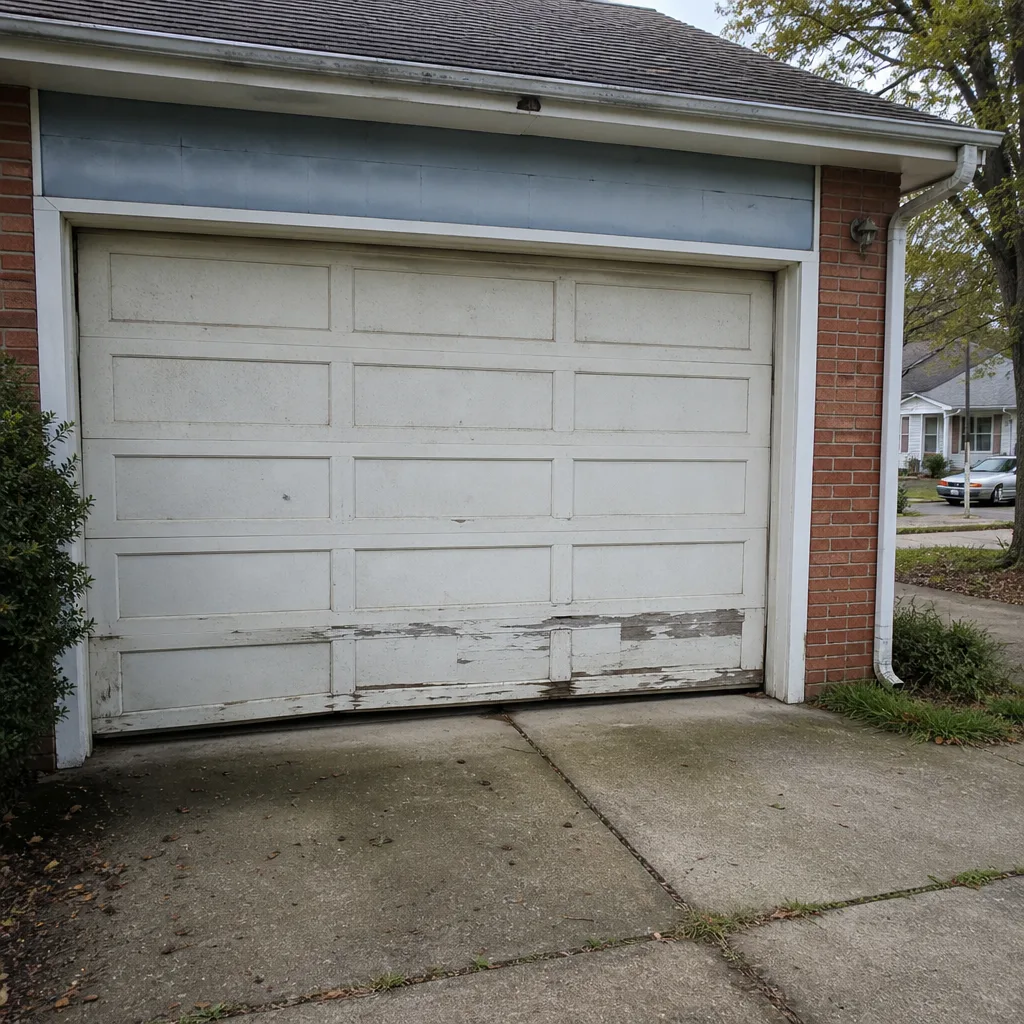 Before
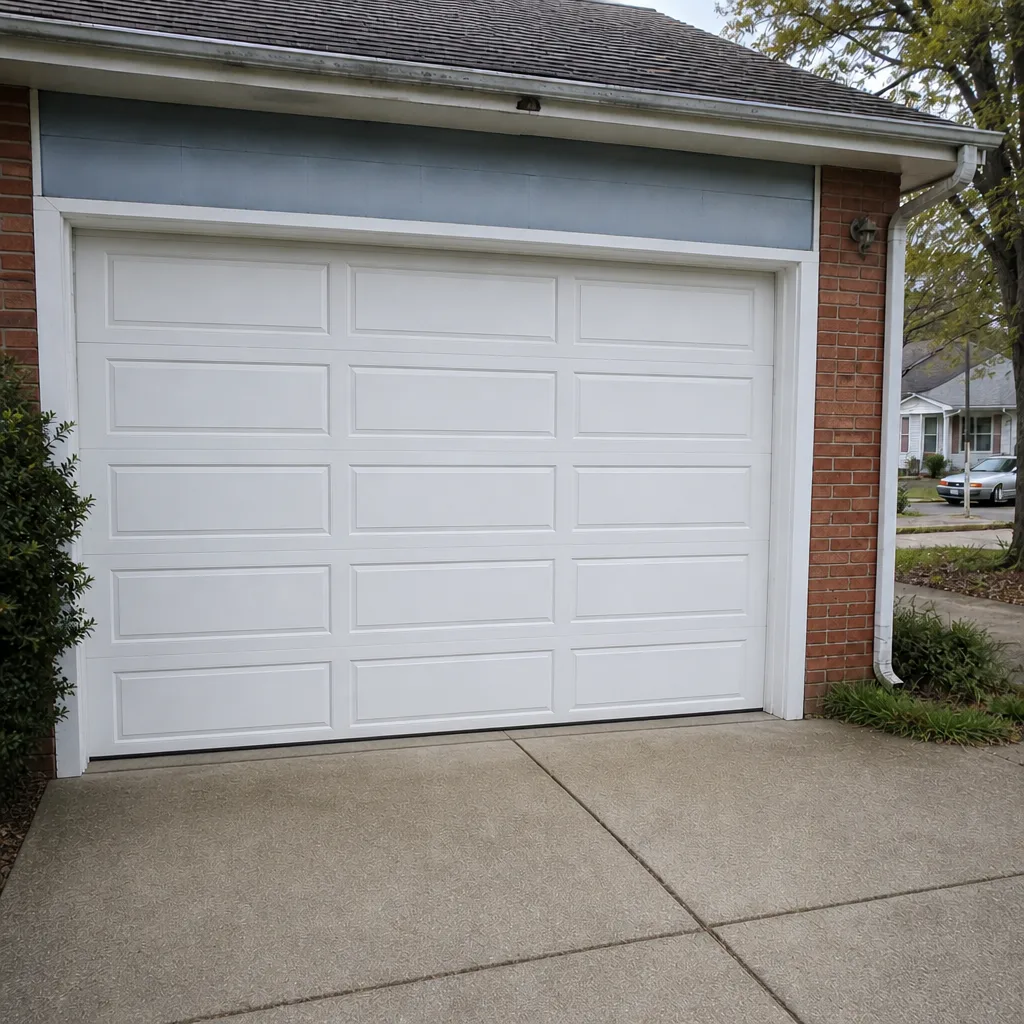 After
When to Call a Professional
Call a technician for anything involving springs, cables, a door off its tracks, or a door that won’t hold position by hand. Also call if your door’s manufacturer hardware is rated for wind conditions you’re unsure about, if the manual release is jammed or missing, or if a storm leaves the door damaged. And call if your opener runs but the door doesn’t move, or the safety sensors won’t let the door close. These are all jobs where guessing costs more than fixing. Hampton Garage Door Repair Co offers free estimates in Hampton, and we can inspect your door, test the balance, and give you a straight answer on what needs doing before the season. Call (877) 600-5531.
Frequently Asked Questions
Pull the red release cord hanging from the trolley to disconnect the opener, then lift the door by hand. Most Hampton openers, including LiftMaster and Chamberlain, use the same standard trolley release, so the process is the same. Pull the cord with the door fully closed, and never force it if it won’t move.
First, check whether the manual release cord works. If it pulls and the door lifts by hand, the problem is just power and you’re fine. If the cord won’t pull, or the door won’t stay up when you release it, stop and call for help. A jammed trolley or a failing spring is a repair, not something to force. Call (877) 600-5531 for a free estimate once you know what’s happening.
Yes. Wind pressure can bend panels, knock the door off its tracks, or leave a door out of balance even when it doesn’t come in. Springs and cables can also fail from the stress. A door that looks fine but moves oddly after a storm should be inspected before you run it again.
Battery backup is worth prioritizing if someone in the house can’t lift the door by hand or if outages during storm season tend to be long where you live. If your manual release is easy to reach and the door lifts comfortably, backup is a convenience rather than a necessity.
Emergency garage door repair in Hampton typically runs $150 to $400 depending on the failure, with spring repair in the $180 to $340 range per spring. A matched pair of springs costs about twice the single-spring price because both are usually replaced together. We quote and agree the price before any work starts. Call (877) 600-5531 for an exact quote, and estimates are free.
No. The written estimate is the price. If we discover something different during the job, we stop and talk it through before doing anything that changes the number. That’s the rule on every call, storm or not.
The Bottom Line
Garage door preparedness in Hampton comes down to three habits: learn the manual release before the season, know how to lock a dead door, and inspect the springs, rollers, and seals so the door can take wind pressure. All three take less time than a single afternoon of storm prep, and any one of them can save you a trapped car or an unsecured home. When something is beyond a homeowner’s safe reach (springs, cables, a door off its tracks, storm damage) that’s when a specialist earns their keep. Hampton Garage Door Repair Co offers free estimates across Hampton: Hampton Garage Door Repair Co. Call (877) 600-5531 and we’ll help you get ready before the next system gets here.
Written by the team at Hampton Garage Door Repair Co.