Last updated November 21, 2026
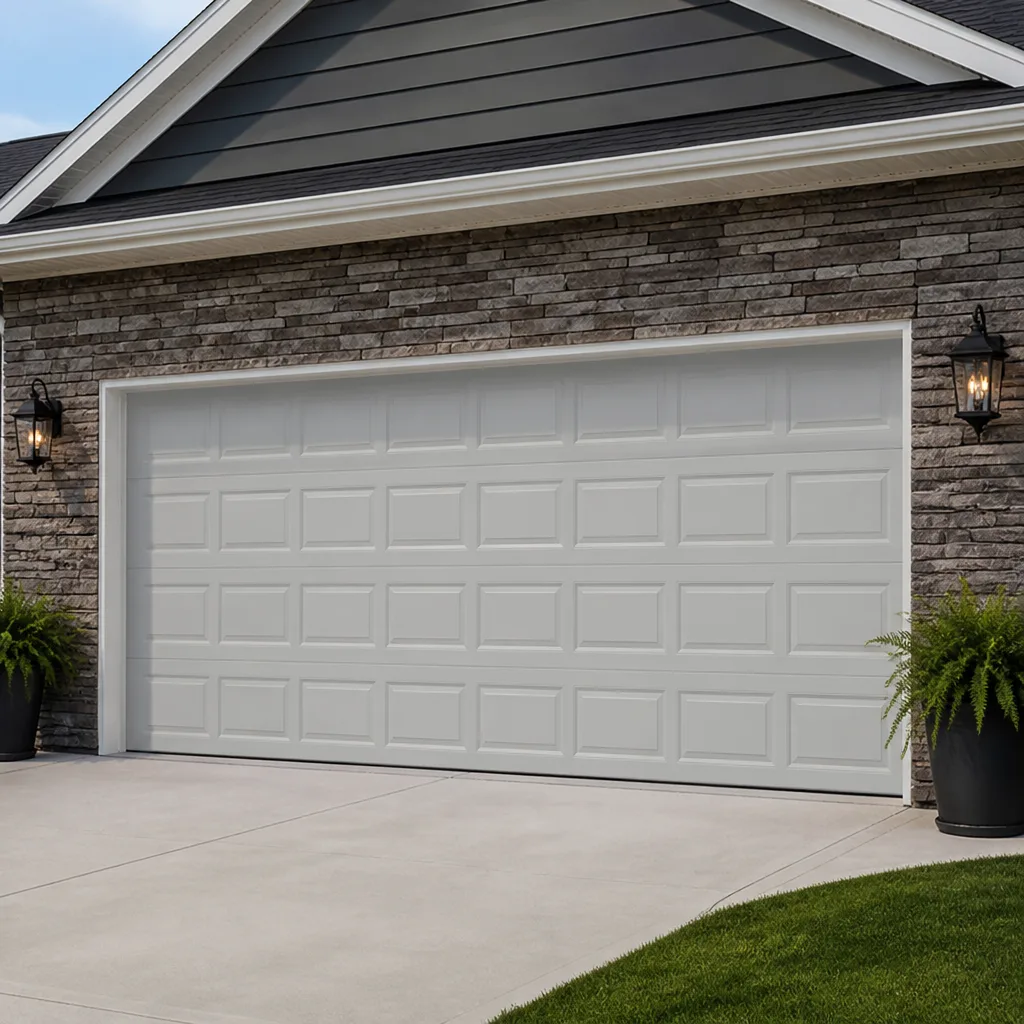 Raised-panel steel
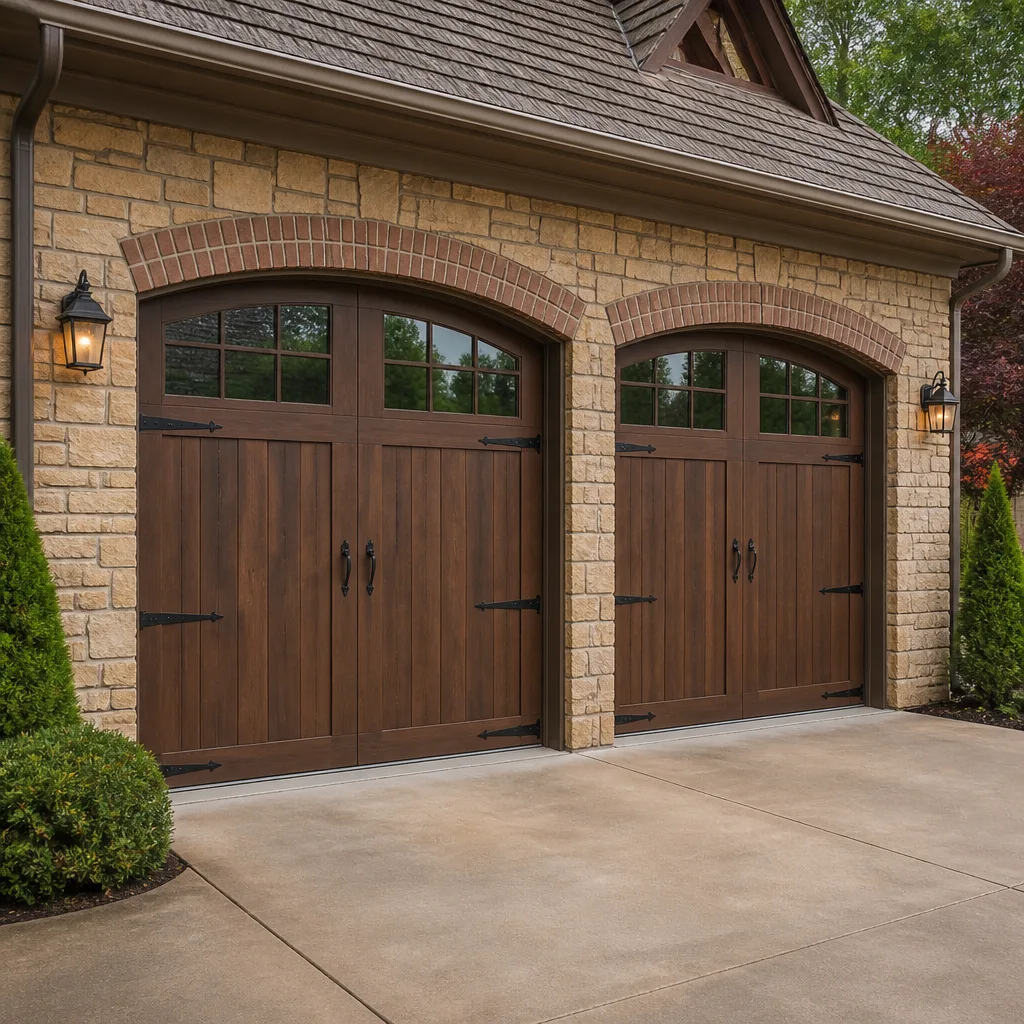 Carriage house
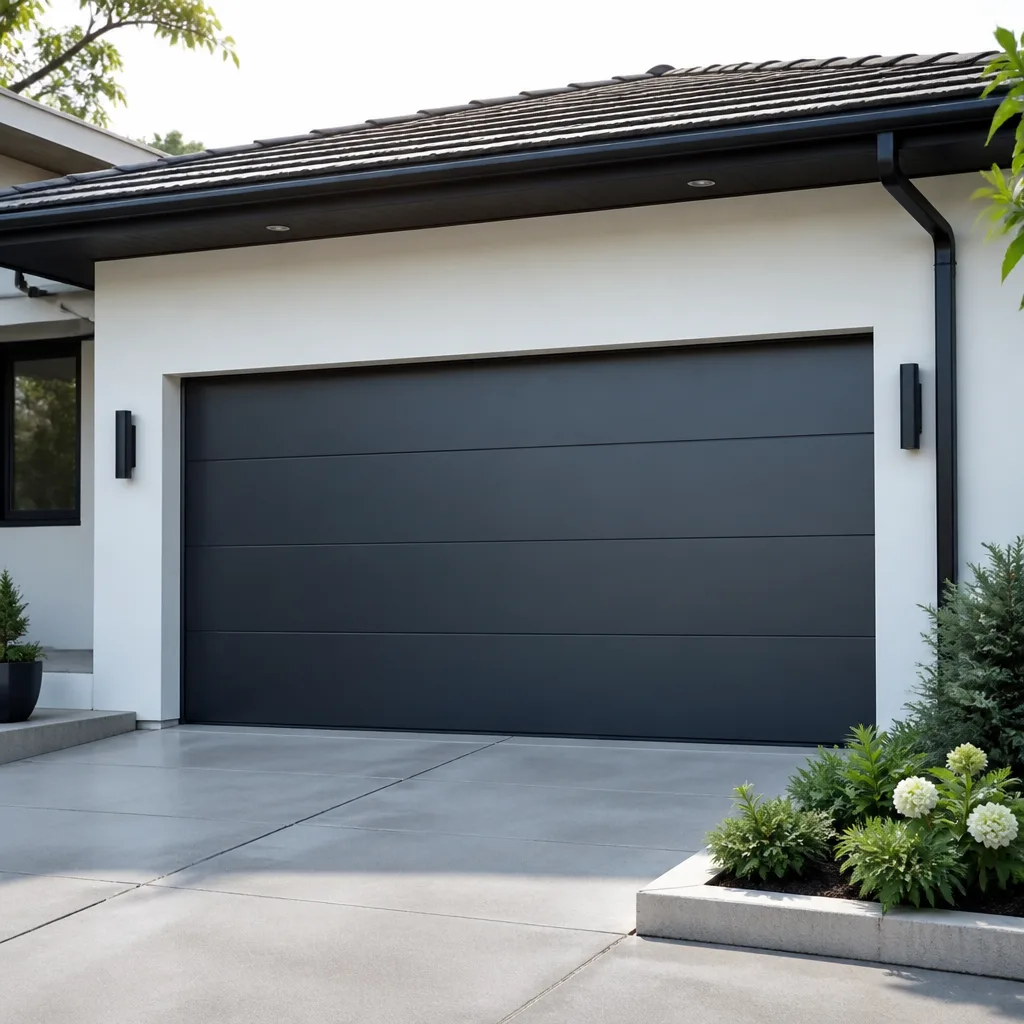 Modern flush
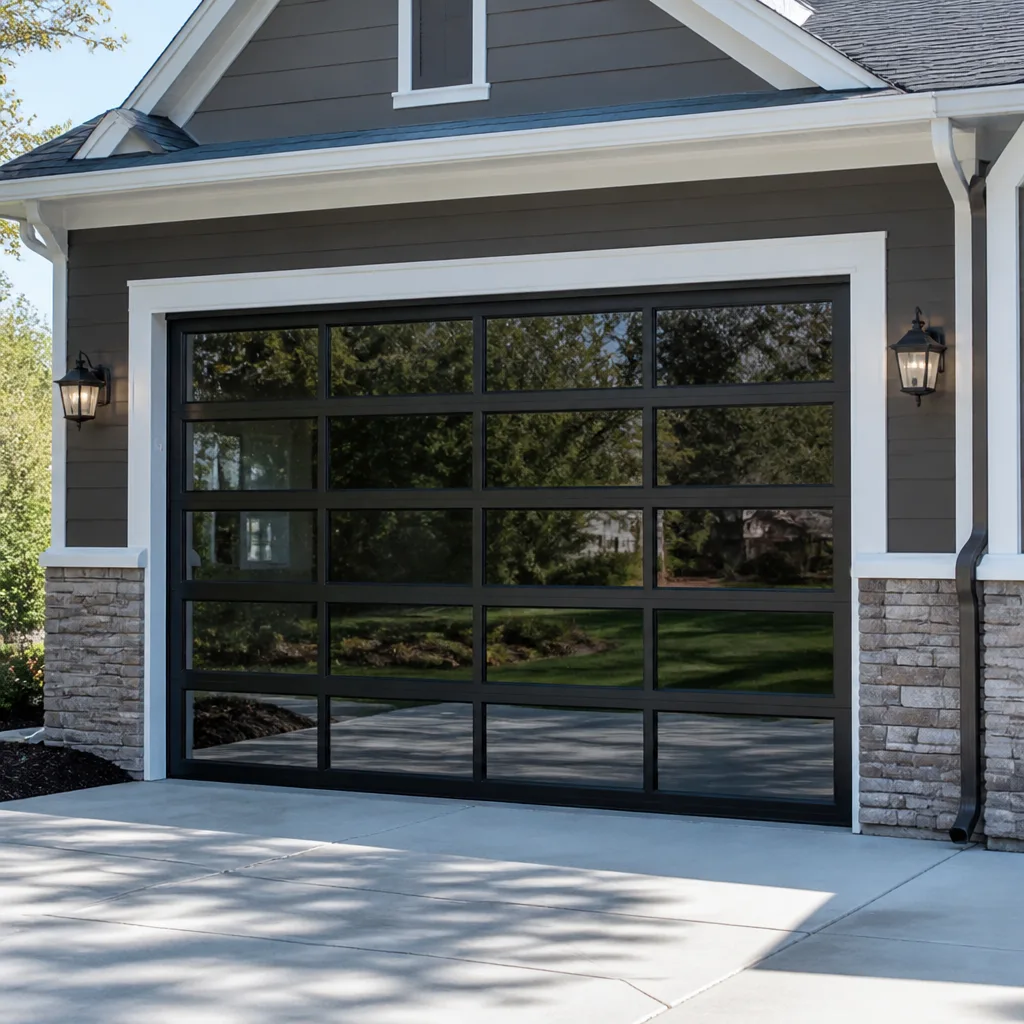 Full-view glass
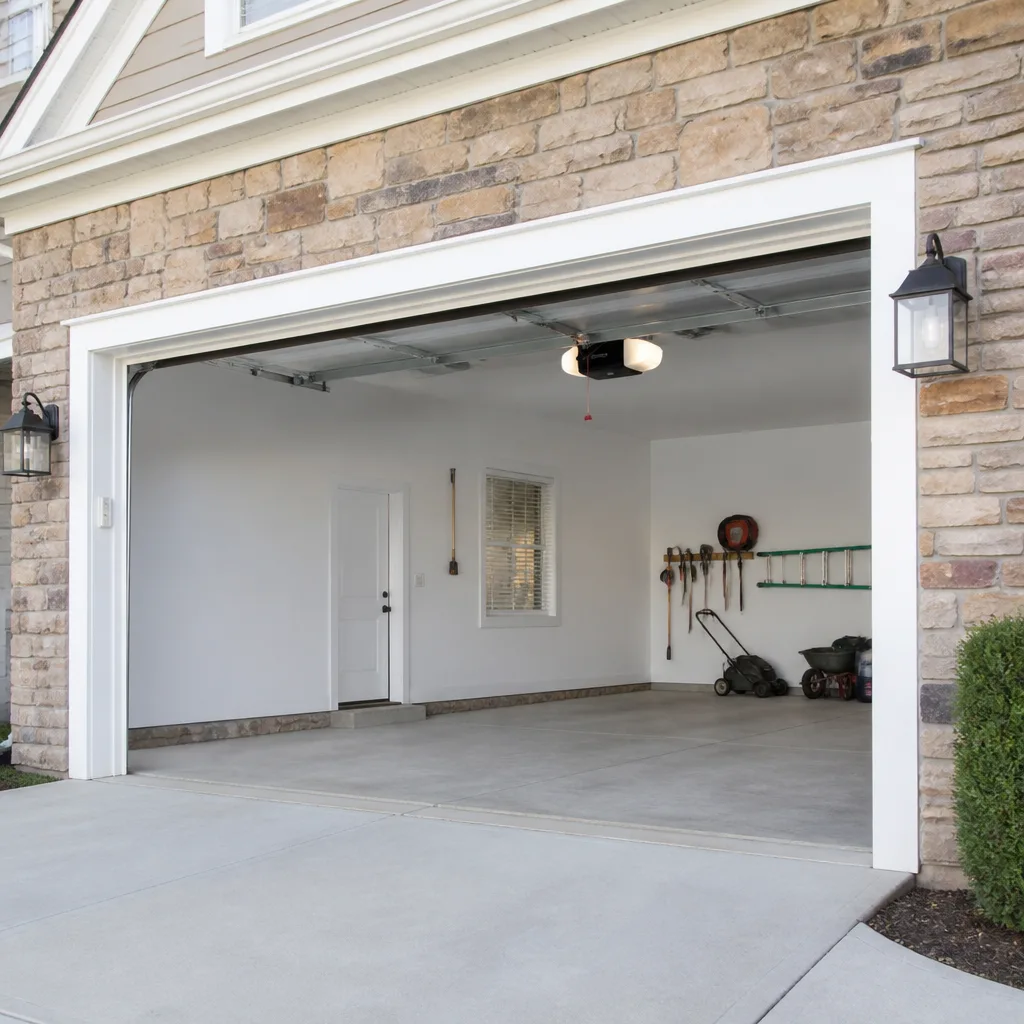 LiftMaster openers
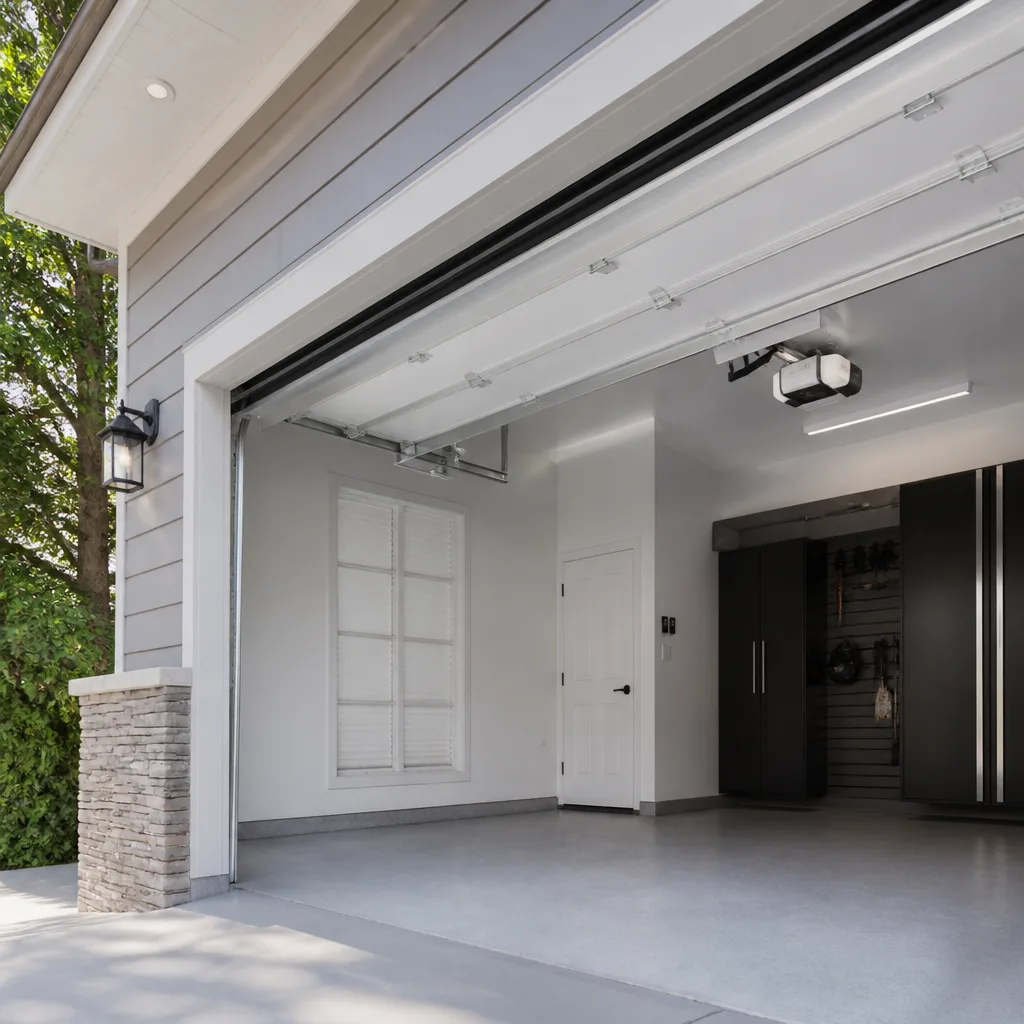 Chamberlain openers
Full 25-point door and opener safety check with every visit - springs, cables, rollers, tracks, and your LiftMaster or Chamberlain opener included
You get a price before we start. It does not change when the pro arrives.
Get your free estimateHow to Hire a Garage Door Contractor in Hampton: A Step-by-Step Guide
Virginia doesn’t require a specialty license to call yourself a garage door technician, which means the barrier to entry for someone showing up at your Hampton home is lower than you’d think. Anyone with a pickup, a ladder, and a business card can knock on your door and offer to fix a broken spring. What separates a qualified specialist from a weekend handyman isn’t charm or a low bid. It’s three credentials you can verify in about five minutes: the right contractor licensing for the scope of work, real insurance coverage that protects your property, and manufacturer authorization that determines whether your parts are genuine and your warranty stays valid. This guide walks you through each one, step by step, so the person who touches your door is someone you chose deliberately, not someone who happened to answer the phone.
Quick Answer
To hire a garage door contractor in Hampton, verify three things before anyone touches your door: (1) that the contractor holds a Virginia contractor license appropriate to the work, which you can check in the DPOR database; (2) that they carry general liability insurance and workers’ compensation, and ask for the certificate; and (3) that they’re authorized to service the brand you already own, which you can confirm with the manufacturer or a dealer locator. Then compare written quotes line by line for spring cycle ratings and opener specifications, not just the bottom line. A professional who passes those checks will give you a written price before work starts and stand behind the labor in writing.
Styles & brands we work with
- Raised-panel steel
- Carriage house
- Modern flush
- Full-view glass
- LiftMaster openers
- Chamberlain openers
Table of Contents
- Step 1: Check Virginia Contractor Licensing Through the DPOR Database
- Step 2: Ask the Right Insurance Questions Before Anyone Touches Your Door
- Step 3: Understand Manufacturer Authorization and Why It Matters
- Step 4: Compare Quotes on Spring Cycle Ratings and Opener Classes
- Step 5: Spot Red Flags in Garage Door Quotes
- Step 6: The Questions to Ask on the Phone
- Why Hampton Homes Put Extra Demand on Garage Doors
Step 1: Check Virginia Contractor Licensing Through the DPOR Database
Virginia regulates contractors through the Department of Professional and Occupational Regulation, known as DPOR. Whether a garage door job needs a licensed contractor depends on the scope and the dollar amount, and the rules are written broadly enough that most substantial garage door work falls under them. A full door replacement, structural work around the opening, and any job above the state’s threshold for licensed contracting generally require a licensed firm. A small repair may not. The safe move is to ask every contractor for their DPOR license number and look it up yourself before scheduling.
The lookup takes a few minutes. Go to the DPOR website, use the license lookup tool, and enter the number or the business name. You’ll see whether the license is current, what classification it carries, and whether there are any disciplinary actions on record. A contractor who hesitates or dodges when you ask for a license number is telling you something.
A few things to confirm in the database:
- The license is active, not expired or suspended.
- The business name on the license matches the name on the quote.
- The classification covers the type of work being quoted.
- There’s no history of complaints or disciplinary action you’d want to know about.
This matters more than people realize. When an unlicensed contractor damages your door, your opener, or your home, your options for recourse are slim. When a licensed contractor does the same, there’s a paper trail, a regulatory body, and a formal complaint process. In Hampton, where a lot of homes have older doors and openers that need careful handling, that protection isn’t abstract. It’s the difference between a fix and a fight. If a contractor tells you a license isn’t needed for spring or opener work, ask them to point to the specific DPOR rule that says so. A real professional will know the answer or say they’ll check.
Step 2: Ask the Right Insurance Questions Before Anyone Touches Your Door
A garage door is your home’s largest moving part, often weighing several hundred pounds, and the springs and cables that lift it store enormous tension. When something fails during a repair, the damage can be to property, to a vehicle, or to a person. That’s why insurance questions aren’t a formality. They’re the core of the hiring decision.
Ask two specific questions, and ask for proof:
- Do you carry general liability insurance, and what are the coverage limits? General liability covers damage to your property, like a door that falls and cracks your driveway or a vehicle in the garage. Ask for the certificate of insurance and confirm the limits are high enough to cover a real incident, not a token policy.
- Do you carry workers’ compensation coverage? This is the one homeowners skip, and it’s the one that matters most. If a technician is injured on your property and the contractor doesn’t have workers’ comp, you could be exposed to a claim. Ask for the certificate and verify the policy is current.
A legitimate contractor will send the certificates without argument. A contractor who says “we’re fully covered” but won’t produce paperwork is asking you to take a risk you don’t need to take.
Here in Hampton, we see this play out with older homes and older doors. A door that’s been on the house for decades may have fatigued springs, worn cables, and a track that’s out of alignment. A technician without proper coverage is one snapped cable away from a problem that lands on you. The insurance check takes five minutes and protects you for the life of the job. Do it before the truck shows up, not after. When you’re ready to have a pro look at the door, Hampton Garage Door Repair Co can walk you through a free estimate and give you the credentials up front.
Step 3: Understand Manufacturer Authorization and Why It Matters
Manufacturer authorization is the credential most homeowners have never heard of, and it’s the one that quietly determines whether your repair goes smoothly or turns into a warranty dispute. When a garage door or opener company authorizes a dealer, that dealer gets access to genuine parts, current technical information, and warranty-backed replacement components. A contractor without that authorization may still do the job, but they’re often working with whatever parts they can source, which is where off-brand components enter the picture.
The brands installed on most Hampton homes are the same ones you’ll see across the country: LiftMaster and Chamberlain openers, Genie units, and Clopay and Amarr doors, along with Wayne Dalton, Craftsman, and Raynor systems. Each manufacturer runs its own dealer and authorization program, and each one maintains a dealer locator. If a contractor claims authorization for a specific brand, you can check it on the manufacturer’s site or by calling their customer line.
Why this affects you directly:
- Parts access: Authorized dealers can get OEM springs, gears, and control boards that match your system. Unauthorized contractors often substitute generic parts that fit but don’t meet the same specifications.
- Warranty validity: Some manufacturer warranties require authorized service for certain repairs. Using an unauthorized contractor can void coverage on a component that fails later.
- Technical knowledge: Authorized dealers get current service bulletins and diagnostic procedures. That matters on modern openers with logic boards and safety sensors.
We work on the brand you already have. That’s the whole point of the authorization question. When you call us, we’ll tell you which brands we service, which we don’t, and we won’t pretend otherwise. If your door is a Clopay and your opener is a LiftMaster, we want to know both before the appointment so the right parts and the right diagnostic approach are on hand. That’s a different experience from hiring a generalist who has to guess their way through your system. For opener-specific troubleshooting, our garage door opener repair page covers what to expect.
Step 4: Compare Quotes on Spring Cycle Ratings and Opener Classes
Two quotes for the same spring replacement can look identical on paper and be completely different jobs. The difference is in the specifications, and if you don’t ask about them, you’re comparing prices for parts that aren’t equivalent. This is where accurate comparison gets real.
For springs, the key number is the cycle rating, which is how many open-and-close cycles the spring is rated to survive before it’s expected to fail. A standard spring might be rated for a certain cycle count, while a high-cycle spring is rated for roughly double that. The high-cycle spring costs more, but it lasts longer, which changes the value calculation entirely. Ask every contractor what cycle rating their quoted spring carries. A quote that doesn’t say is a quote you can’t compare.
For openers, the equivalent is the horsepower class and drive type. A 1/2-horsepower opener and a 3/4-horsepower opener aren’t interchangeable, and neither is a chain drive versus a belt drive versus a screw drive. The right choice depends on your door’s weight, the size of your garage, and whether you have living space above it. Ask for the model or class in writing.
A quick comparison checklist:
- Spring cycle rating stated in writing (standard vs. high-cycle).
- One spring versus a matched pair, with each priced separately.
- Opener horsepower class and drive type named by model.
- Whether labor and disposal are included or added later.
- Written warranty terms on parts and on labor, in separate lines.
When you get a written quote from us, the number it shows is the number you pay. We quote before work starts and put the specifications in writing so you can compare them to any other quote you’ve received. If a competitor’s quote doesn’t state a cycle rating or an opener model, call them back and ask. The answer tells you a lot. When you’re ready for a straight comparison, our garage door repair service starts with a free estimate and a clear written scope.
Step 5: Spot Red Flags in Garage Door Quotes
Most garage door hiring problems announce themselves before anyone touches the door. You just have to know what to listen for. These are the signals we’d want a neighbor to point out to us.
- A spring price far below everyone else’s. Genuine torsion and extension springs cost what they cost. A quote that’s dramatically lower usually means off-brand or remanufactured parts, or a spring rated for far fewer cycles than what you need. Cheap springs fail early, and you’ll be paying again sooner.
- Same-day pressure to sign. Urgency is a sales tactic, not a service. A real specialist will tell you what’s wrong and give you time to think about it. If the price is only good if you decide right now, that’s a red flag, not a courtesy.
- No written warranty on labor. Parts warranties are common. Labor warranties are the ones that separate professionals from people who won’t be around when the job fails. Ask what happens if the repair fails in thirty days. If there’s no answer, walk.
- No written estimate. Any contractor who won’t put the price and scope on paper before starting is asking you to trust a verbal number that can grow. Insist on a written estimate with the specifications listed.
- A request for full payment up front. A deposit for materials is reasonable on a door installation. Full payment before work begins on a repair is not.
- No verifiable business identity. No license number, no insurance certificate, no physical business address, no manufacturer relationship. When you can’t verify who you’re hiring, you’re hiring a stranger with a toolbox.
None of these are rare. They show up in every market, including Hampton. The good news is that a homeowner who knows the list can spot them in a single phone call. Ask for the license, the insurance certificate, and a written estimate with specifications. Legitimate contractors answer without flinching.
Step 6: The Questions to Ask on the Phone
The phone call is where you can do most of your vetting. Have these questions ready before you dial, and take notes. A contractor who answers all of them clearly and without hesitation is worth a visit. One who stumbles or deflects has just saved you an appointment.
- What’s your DPOR license number, and what classification does it carry? You’ll verify it yourself, but asking tells you whether they know it.
- Can you send a certificate of insurance for general liability and workers’ compensation? A professional sends it without a debate.
- Which brands are you authorized to service? Listen for whether they name brands like LiftMaster, Chamberlain, Genie, or Clopay specifically, or whether they say “all brands” without detail.
- Do you service both torsion and extension springs? Not every contractor does. Spring work is hazardous and technically demanding, and plenty of companies decline it. A specialist will tell you what they handle.
- What cycle rating does your quoted spring carry, and is that one spring or a pair? The answer should be specific, not approximate.
- What’s your written warranty on parts and on labor? Get the terms before the appointment.
- Will the price change after you see the door, and if so, why? Some jobs legitimately reveal more once the door is open. The answer you want is a process for any change, not a promise that can’t be kept.
Get the answers in writing if you can, even a follow-up email. The written record is what protects you if the job goes sideways. And if you’re in Hampton and want to compare what a specialist tells you against a generalist, the contrast is usually obvious within a couple of questions. For a straight conversation about your door, call (877) 600-5531. Estimates are free, and we’ll tell you what we’d verify if we were the ones hiring.
Why Hampton Homes Put Extra Demand on Garage Doors
Hampton sits in the humid, storm-prone corner of Virginia where the seasons work a garage door harder than homeowners often realize. The summers bring humidity that works on metal tracks, hardware, and the wood or steel panels of older doors. The winters bring repeated freeze-thaw cycles at the door opening, where the bottom seal meets a concrete floor that moves with the ground temperature. Those cycles loosen seals, warp panels slightly, and put more stress on the torsion springs that do the actual lifting.
That means the Houston-style “it never gets cold” logic doesn’t apply here, and neither does the “it’s just a garage” attitude. A door that’s been in service through a few Hampton summers and winters has been through real weather, and when a spring finally fails, it tends to fail all at once. That’s why we treat spring work as a safety-critical service rather than a quick swap.
What that means for hiring:
- A specialist who understands that spring fatigue is accelerated by climate and door use, and who recommends high-cycle springs for doors used multiple times a day.
- A contractor who checks the door’s balance, the track alignment, and the bottom seal, not just the broken part.
- A company that can also handle a full replacement when a door is beyond its useful life, rather than pushing a repair that won’t last.
If your door needs more than a fix, our garage door installation service covers the replacement side, from measuring the opening to a written price before the order is placed. Installation takes measurement and scheduling, not same-day dispatch, and we’ll tell you that plainly.
Common Mistakes to Avoid
- Hiring on price alone. The lowest bid often reflects the cheapest parts. A remanufactured or off-brand spring will cost you more over a few years than the higher-quality one you didn’t buy. Compare specifications first, then price.
- Skipping the DPOR check. It takes three minutes, and it catches expired licenses and complaint histories that no phone call will surface. Do it before the appointment, not after.
- Assuming insurance without asking. “We’re insured” is a sentence, not a certificate. Ask for the document and read the coverage type. Workers’ comp is the one that protects you when someone gets hurt on your property.
- Comparing a single spring to a pair. Most doors use matched pairs, and replacing one spring without the other usually means the second one fails shortly after. If a quote prices one spring and another prices two, the numbers aren’t comparable.
- Accepting a verbal estimate. Verbal numbers grow. A written estimate with specifications and warranty terms is the standard, and any contractor who resists it is telling you how the job will go.
- Overlooking brand authorization on an older door. Older openers and doors are exactly where generic parts cause the most trouble, and where a dealer relationship saves you a second repair. Ask before the job, not when the opener won’t sync.
- Letting a Saturday emergency force a poor decision. If a door fails on a Saturday, resist the first person who answers and pressures you. Call a specialist and book the earliest available appointment, which may be Sunday.
See the difference
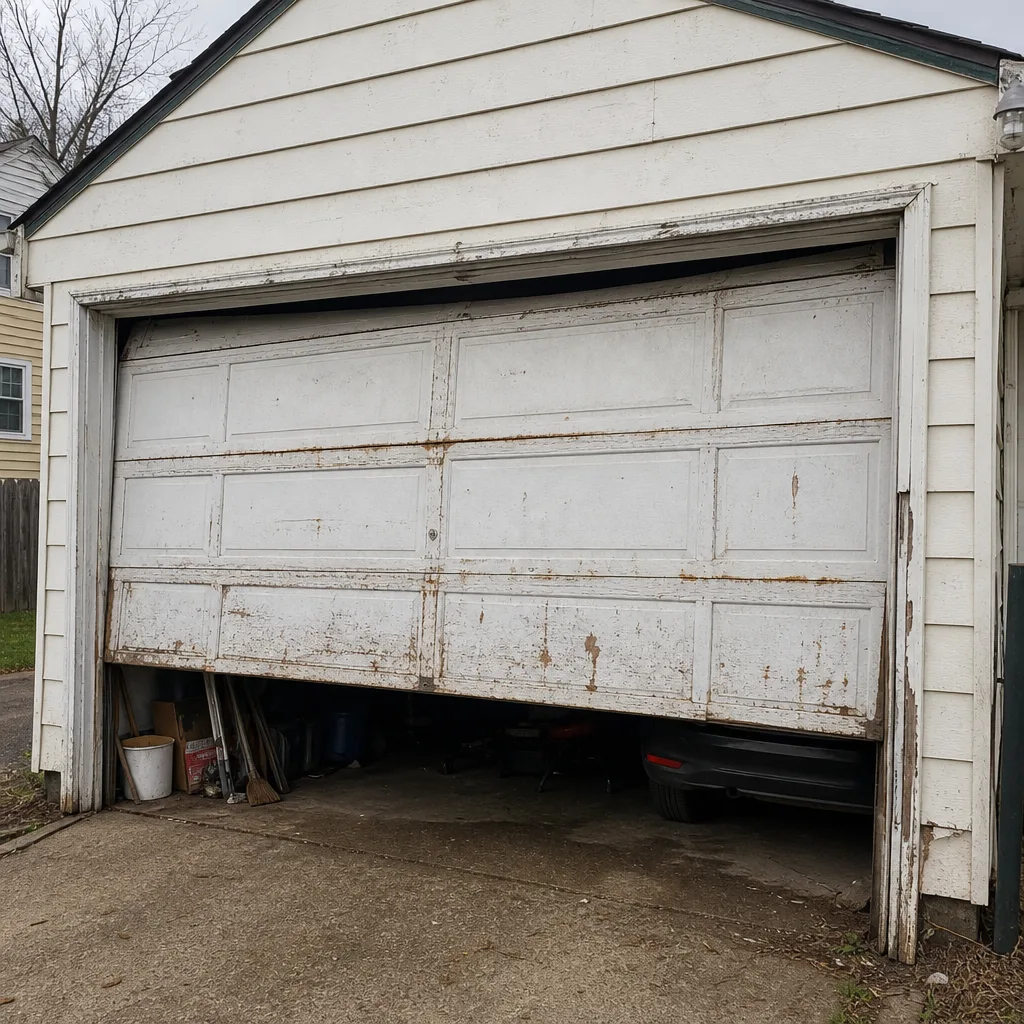 Before
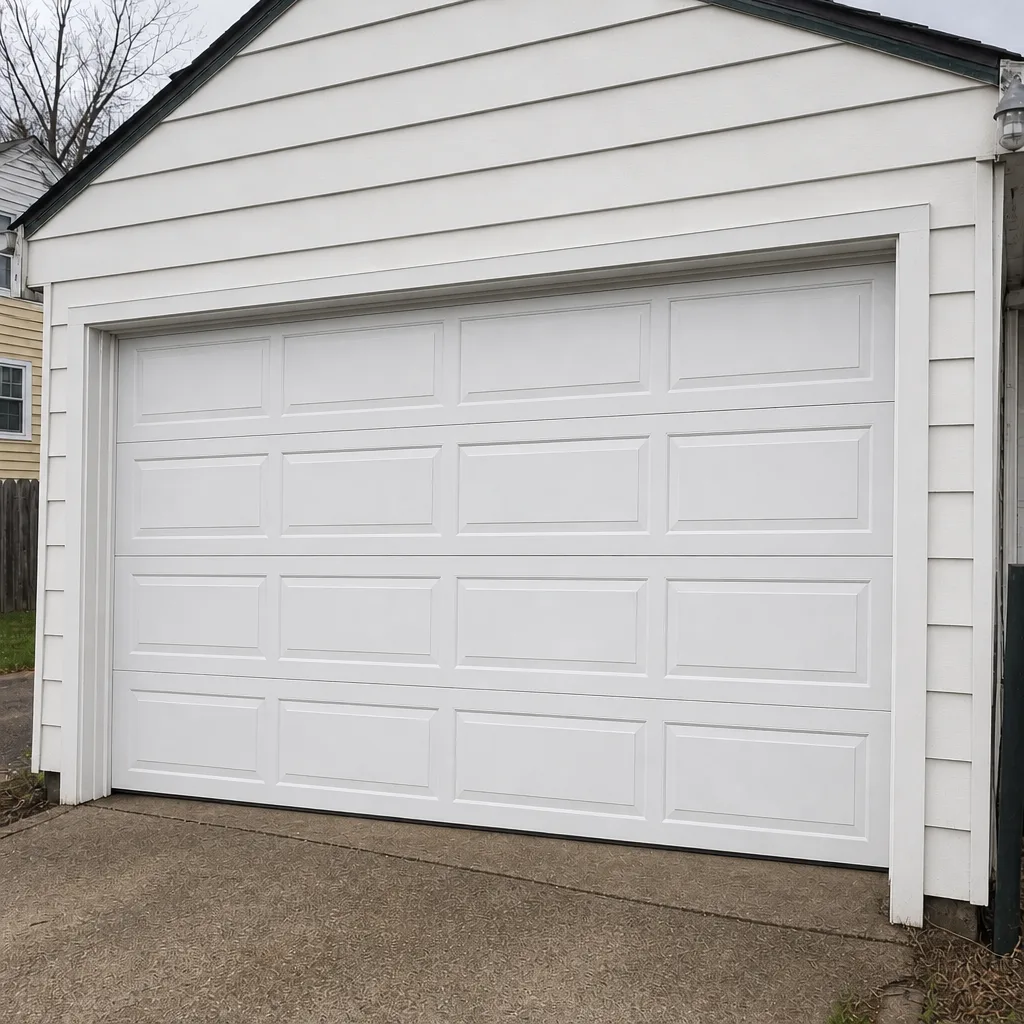 After
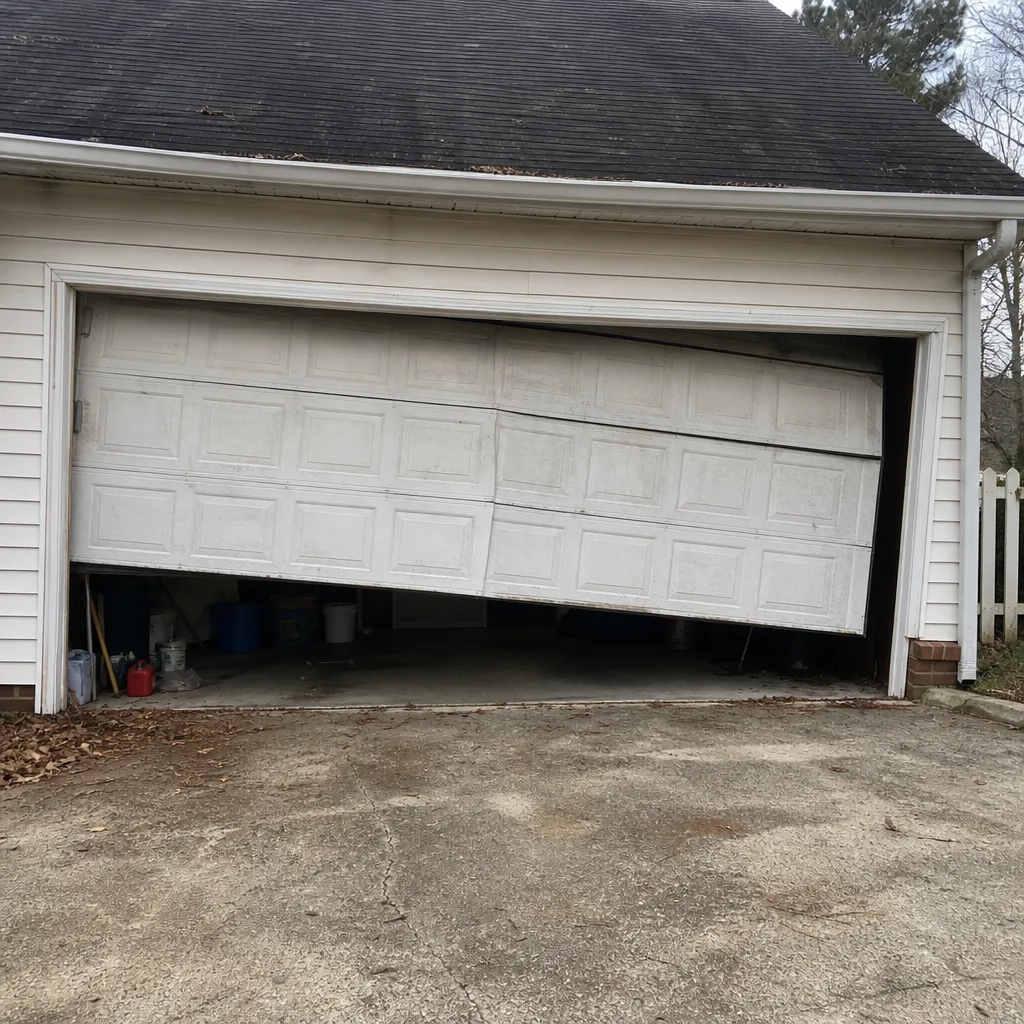 Before
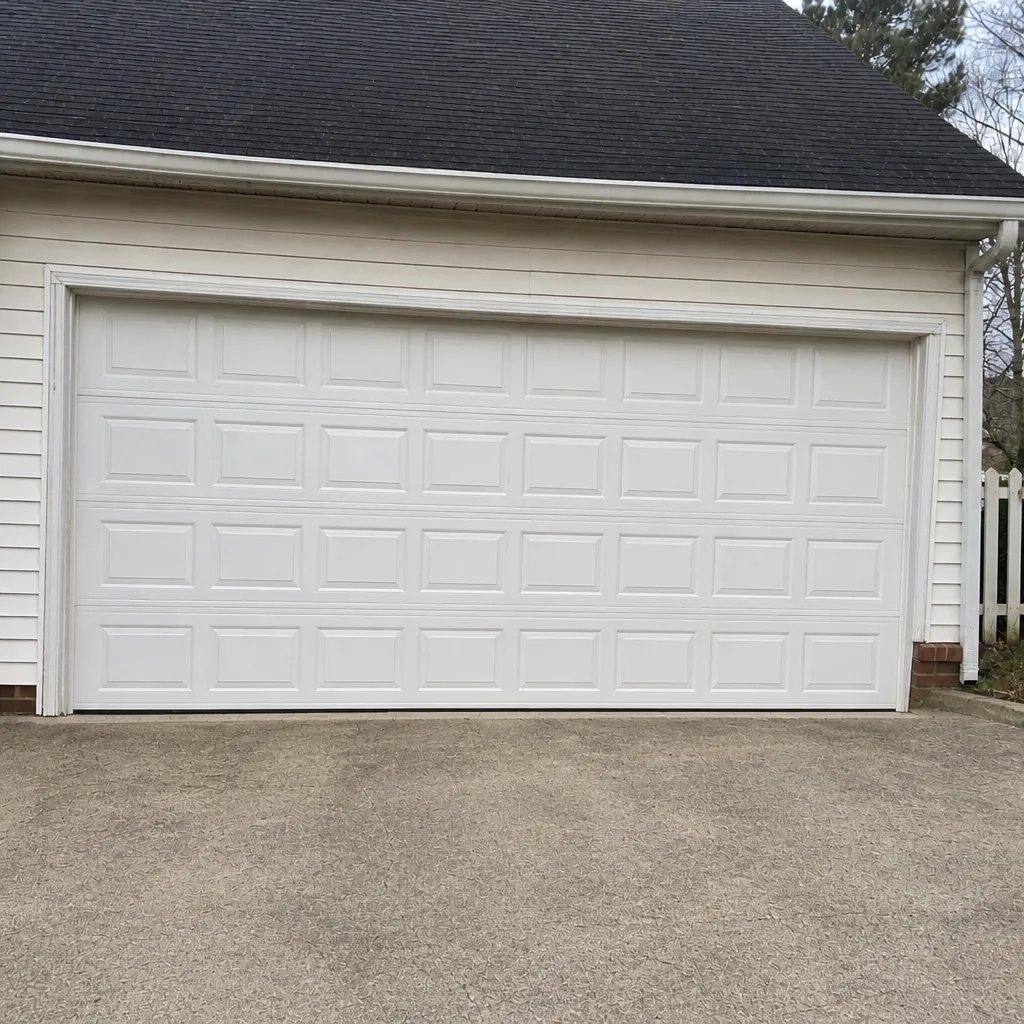 After
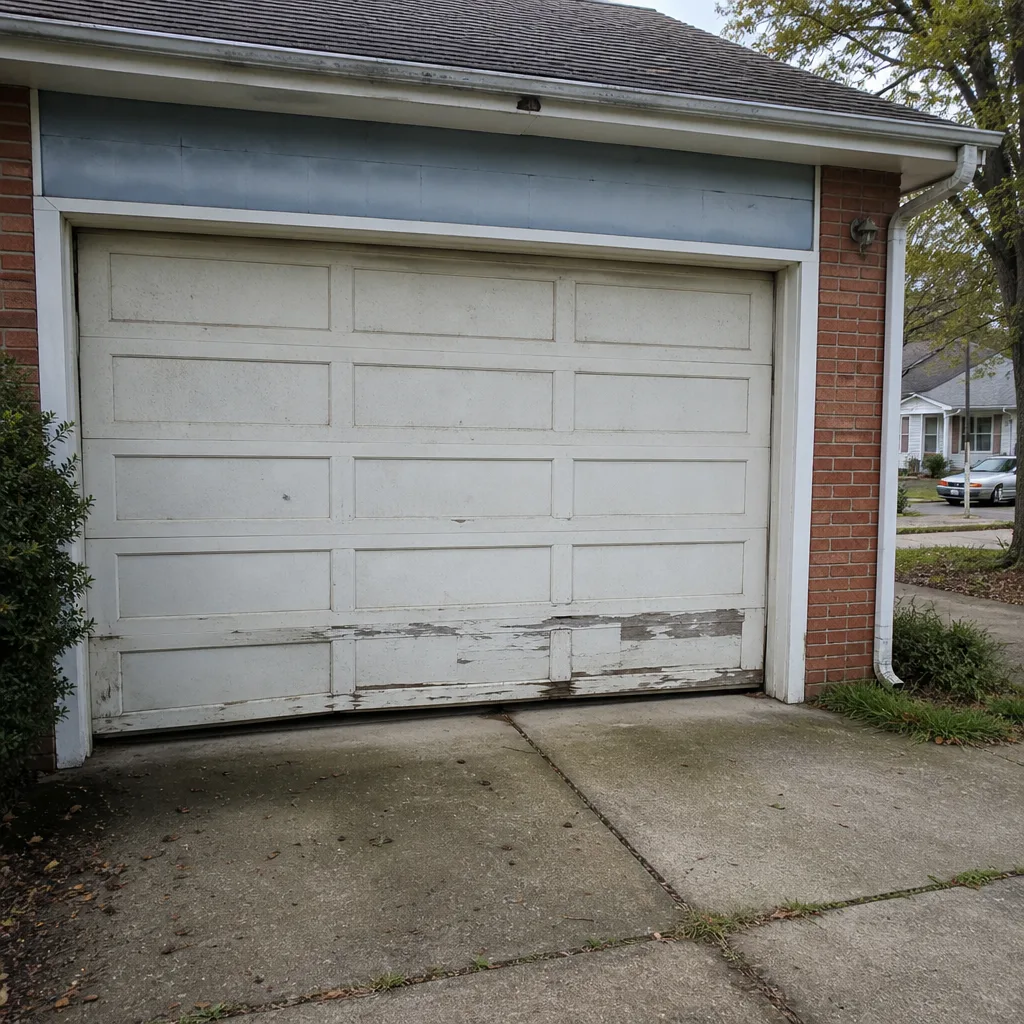 Before
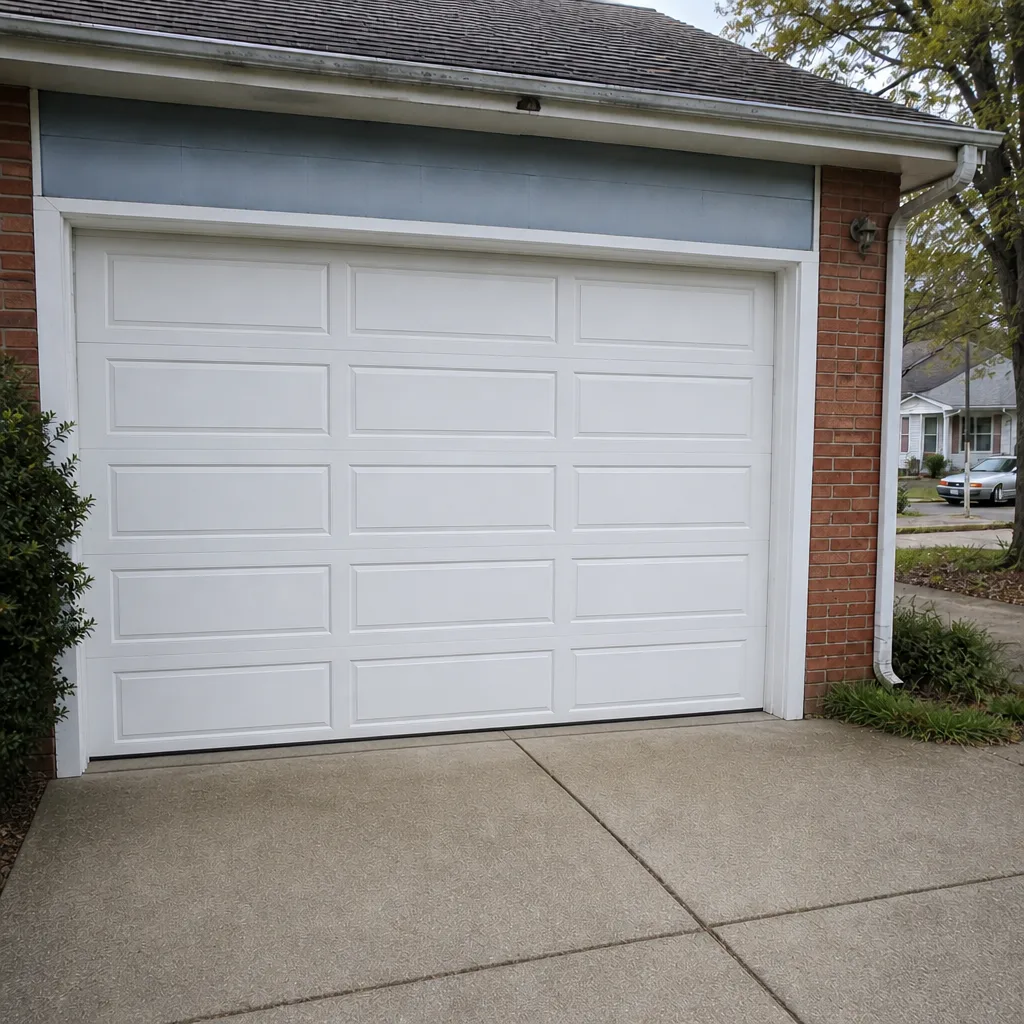 After
When to Call a Professional
Some garage door problems are cosmetic and can wait. Others are genuinely dangerous, and call for a trained professional immediately. Call a pro when a torsion spring snaps, when the door comes down harder than it should, when either cable shows fraying or comes off a drum, when the door is visibly out of balance and lifts unevenly, or when an opener reverses without an obstruction. Garage door springs and cables are under extreme tension and can cause serious injury if handled without the right tools and training; never try to repair or adjust them yourself. Electrical work on openers and high-tension torsion assemblies both carry real risk, and both are jobs for a trained technician. Hampton Garage Door Repair Co offers free estimates in Hampton – call (877) 600-5531. If the door won’t budge and traps a car or leaves the house unsecured, we can also talk through emergency service so you’re not waiting on a scheduled appointment.
Frequently Asked Questions
Virginia regulates contractors through DPOR, and whether a garage door job requires a licensed contractor depends on the scope and dollar amount of the work. Substantial jobs, like a full door replacement, generally fall under the licensed-contracting threshold, while small repairs may not. Always ask for the DPOR license number and verify it in the state database before the appointment. If you’re unsure, call us at (877) 600-5531 and we’ll tell you what we’d check.
Manufacturer authorization means the contractor has been approved by the brand to service its products, which typically includes access to genuine parts, current technical information, and warranty-backed components. It matters because unauthorized contractors often substitute generic parts that fit but don’t match specifications, and some manufacturer warranties require authorized service. You can verify a contractor’s status through the manufacturer’s dealer locator or customer line. LiftMaster, Chamberlain, Genie, and Clopay all maintain dealer programs worth checking.
Spring repair pricing depends on the spring type, the cycle rating, and whether one spring or a matched pair is replaced. A single spring and a pair are not the same job, and a pair typically costs about twice a single spring because the springs are usually replaced together. Get a written estimate that names the cycle rating and whether the quote covers one or two springs, then compare on those terms. Call (877) 600-5531 for a free estimate specific to your door.
Always ask for the certificate. “We’re insured” is a claim, and a certificate of insurance is proof. Ask specifically for general liability coverage and workers’ compensation coverage, and read the certificate to confirm both are current. Workers’ comp is the one homeowners most often skip, and it’s the coverage that protects you if a technician is injured on your property. A legitimate contractor will send the documents without argument.
Compare on specifications first, price second. For springs, ask for the cycle rating in writing, since a high-cycle spring is rated for roughly double the cycles of a standard one and costs more. For openers, ask for the horsepower class and drive type by model name. A quote that doesn’t state the specification can’t be compared to one that does. If you want a second set of eyes on a quote you’ve received, call us at (877) 600-5531.
For repairs, same-day service is often possible when you call and the schedule allows, and emergency service is available for doors that won’t open, won’t close, or leave the home unsecured. Installation and full replacement are different: they require measuring, ordering, and scheduling, so plan on a scheduled appointment rather than a same-day visit. Call (877) 600-5531 to discuss what your door needs and what timing is available.
The Bottom Line
Hiring a garage door contractor in Hampton comes down to verifying three things before anyone touches your door: the DPOR license, the insurance certificates, and the manufacturer authorization for the brand you own. Then compare written quotes on specifications like spring cycle ratings and opener horsepower classes, not just the bottom line. Watch for the red flags, especially unusually low spring pricing and same-day pressure, and insist on a written estimate with labor warranty terms. Our technicians have up to 11 years of experience, and we work on the brand you already have rather than steering you toward what’s easiest to install. A five-minute verification call saves a five-figure headache.
When you’re ready to have the job done right, call Hampton Garage Door Repair Co at (877) 600-5531 for a free estimate. We’ll give you a written price before work starts, and we’ll tell you exactly what we’re fixing and why.
Written by the team at Hampton Garage Door Repair Co.