Last updated November 21, 2026
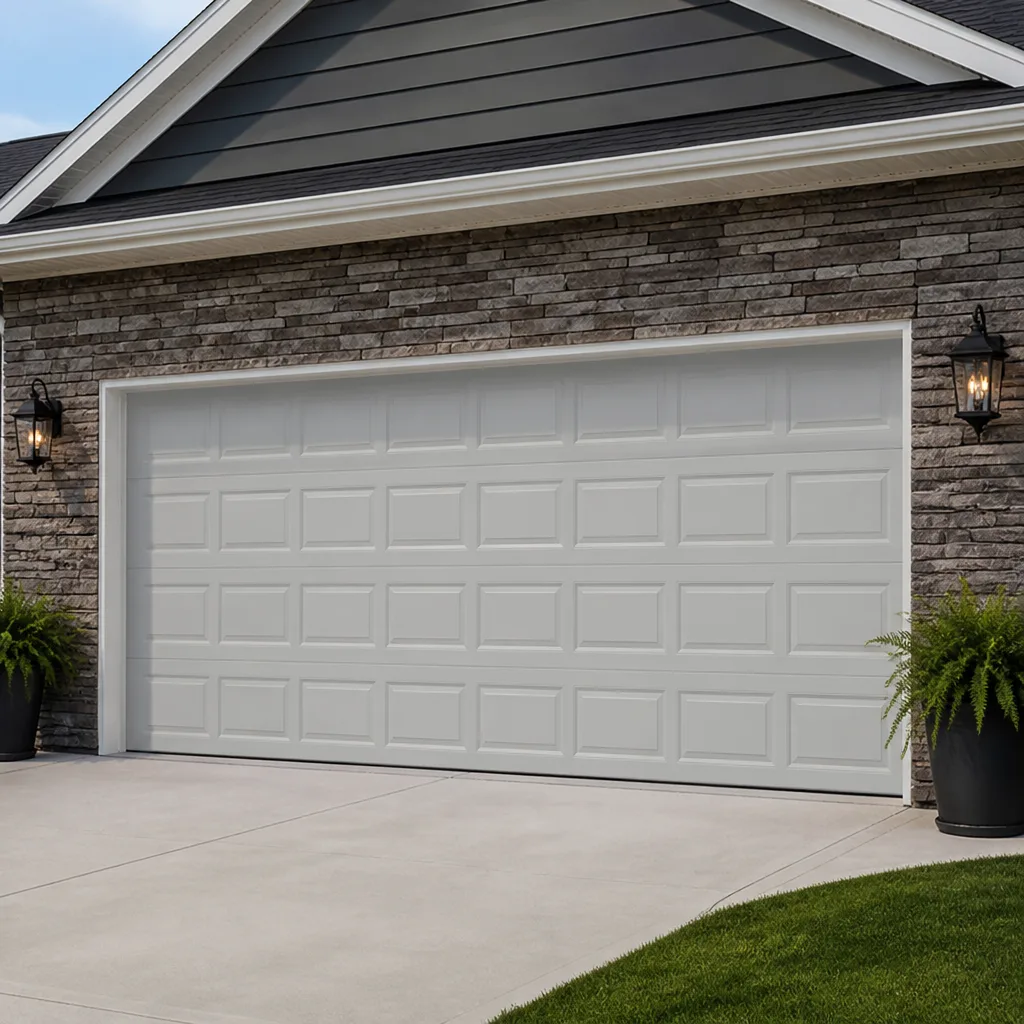 Raised-panel steel
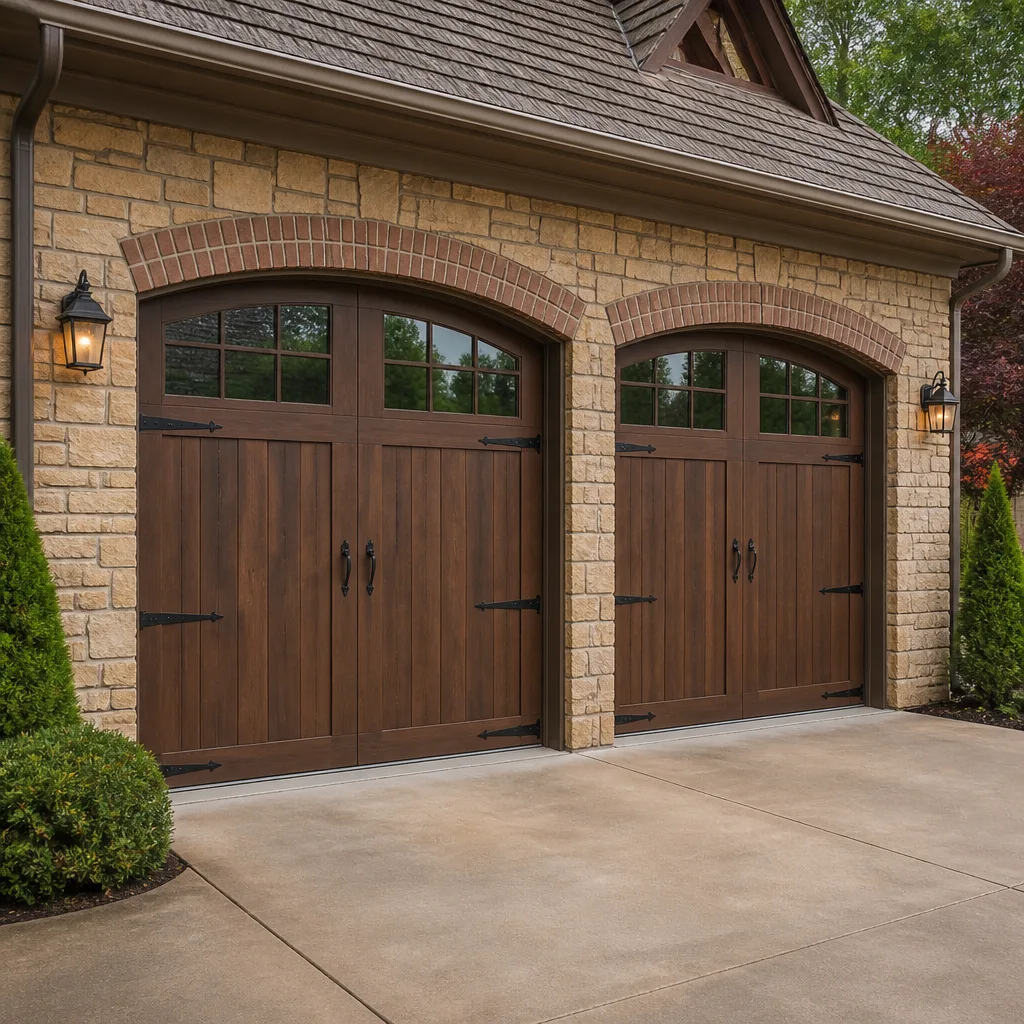 Carriage house
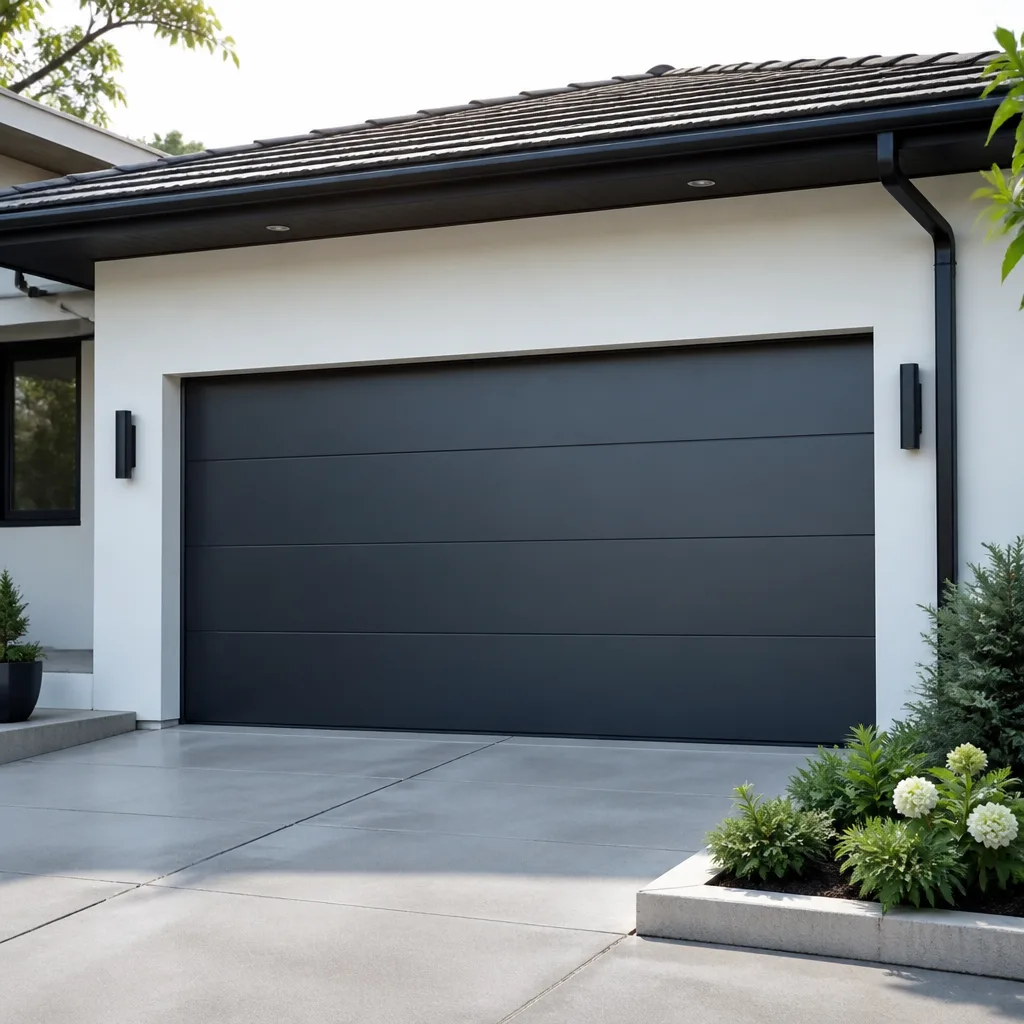 Modern flush
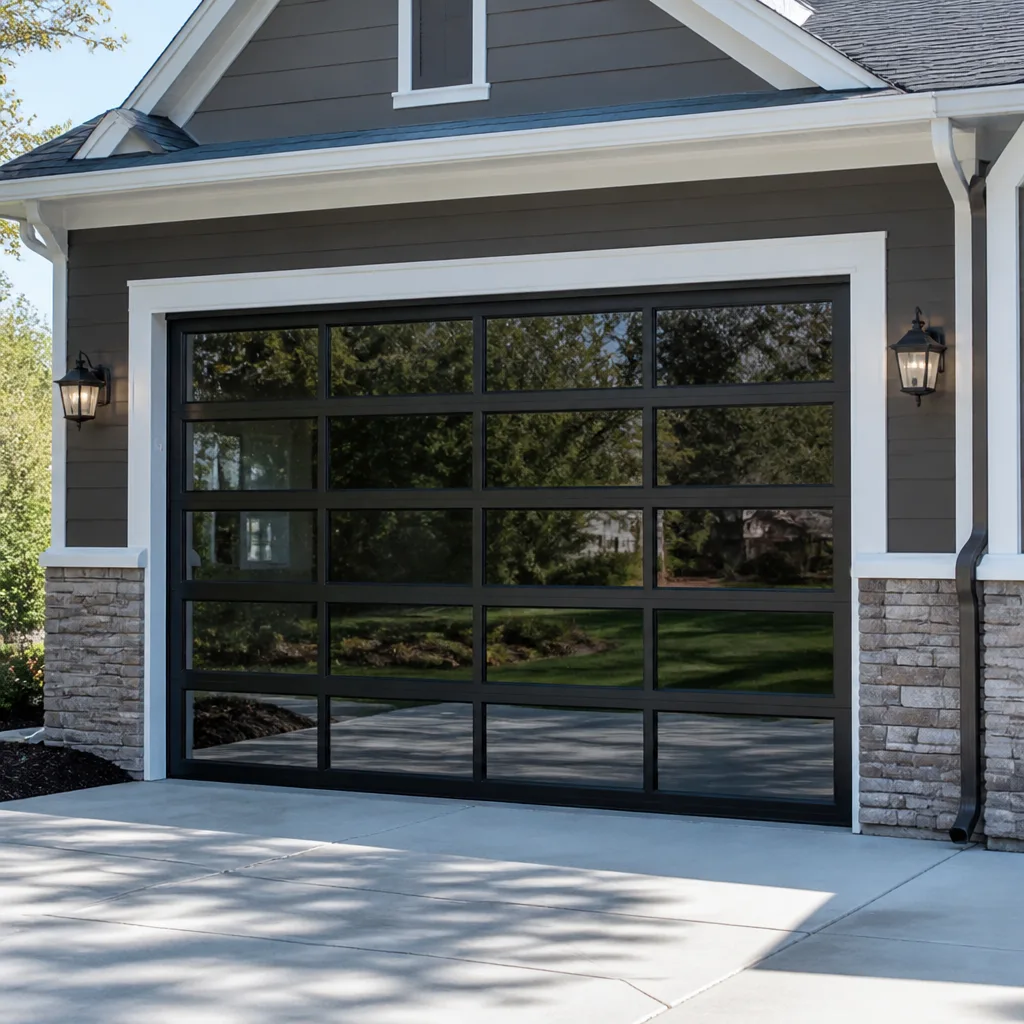 Full-view glass
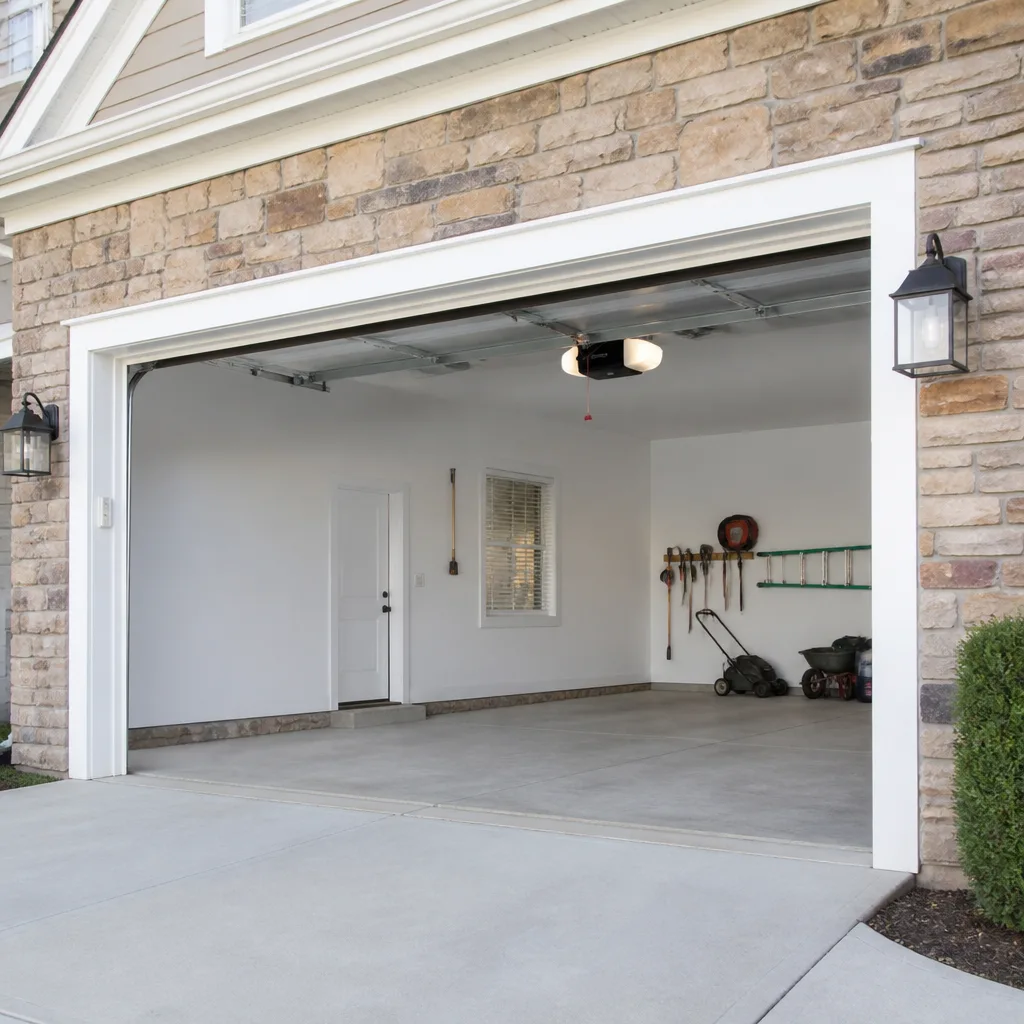 LiftMaster openers
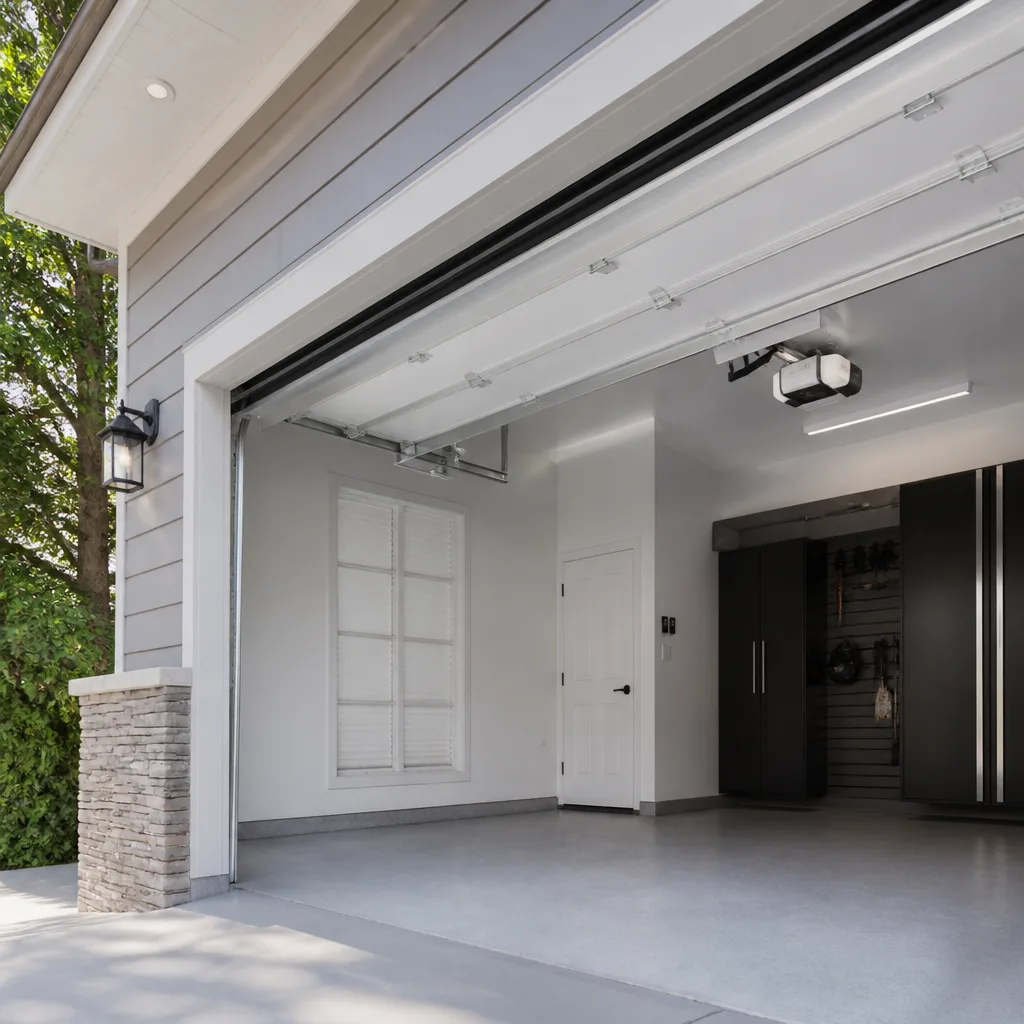 Chamberlain openers
Full 25-point door and opener safety check with every visit - springs, cables, rollers, tracks, and your LiftMaster or Chamberlain opener included
You get a price before we start. It does not change when the pro arrives.
Get your free estimateGarage Door Warning Signs: A Hampton Homeowner’s Reference Guide
Most garage doors don’t quit without warning. They tell you something is wrong weeks or months before they stop working entirely, and the clues are usually things you see and hear every day without registering them. That half-second hesitation before the door starts rising isn’t a quirk; it’s a strained opener working against a door that has lost its balance, and every cycle like that wears the motor down a little further. In our experience, the homeowners who avoid emergency calls are the ones who recognize these signals early. This guide walks through the sounds, visual cues, and opener behaviors worth watching on a Hampton door, and it draws a clear line between “schedule this soon” and “stop now.”
Quick Answer
The most reliable early warning signs of a failing garage door are a door that hesitates or reverses on its own, jerky or uneven travel, grinding or snapping sounds, visible sag or a gap at the bottom, and frayed or kinked cables. Any single one of these means the door needs a professional inspection before it’s used again. Signs that mean you should stop operating the door immediately include a snapped spring, a broken or hanging cable, or a door that’s come off its track.
Styles & brands we work with
- Raised-panel steel
- Carriage house
- Modern flush
- Full-view glass
- LiftMaster openers
- Chamberlain openers
Table of Contents
- The Sounds That Identify What’s Failing
- Visual Wear Indicators You Can See From Ground Level
- How Hampton Humidity Shows Up as Early Warnings
- Opener Behavior Patterns That Signal Trouble
- The Weight Test and Why It Matters
- “Schedule This Week” vs. “Stop Using the Door Now”
- A Seasonal Walk-Around for Hampton Doors
The Sounds That Identify What’s Failing
A garage door makes a lot of noise by design, so sorting a normal rumble from a warning sound takes knowing exactly what each problem sounds like. The three most common mechanical failures each have a distinct voice, and once you can tell them apart, you’ll know roughly what part of the system is asking for attention before anyone opens the door up.
A failing torsion spring
One or two sharp, high-pitched snaps, followed by a sudden quiet, is the classic sound of a torsion spring breaking. If a spring is on its way out rather than already broken, you may hear a strained groaning or popping near the top of the door during travel. A broken spring is a stop-now condition. Torsion springs are under extreme tension and can cause serious injury when handled without the right tools and training, so this is never a do-it-yourself job. garage door repair for spring failures is a core part of what we handle in Hampton, and our technicians have up to 11 years of experience working with torsion and extension systems.
Worn rollers
Rollers that have lost their smooth surface produce a low rumble, a rattle, or a rhythmic squeal that changes with speed. Steel rollers with worn bearings sound like a dull grind; nylon rollers crack and then clatter. A single noisy roller is easy to overlook, but worn rollers put extra strain on the track and the opener over time.
Frayed cable
A kinked or fraying cable often shows up as a metallic twang or a scrape that wasn’t there before. Cables carry much of the door’s weight and are also under real tension. If you hear a cable snap, or see one hanging loose, stop using the door and call a professional. This is a serious safety condition, not a maintenance item to defer.
Visual Wear Indicators You Can See From Ground Level
You don’t need tools to run a basic inspection. A few minutes standing in front of your door, from the ground, will surface most of the major visual warning signs. Run through this list roughly whenever you think of it:
- The bottom gap test. Stand inside the garage with the door closed and look for daylight along the floor. A gap at one end usually means the door is out of balance or a hinge has shifted.
- Track alignment. Both vertical tracks should be straight and parallel. Bends, dents, or a track coming loose from the wall show up as a visible tilt.
- Hinge and roller wear. Hinges that look bowed, or rollers sitting crooked in the track, are a warning sign of worn hardware.
- Cable condition. Look for frayed strands, a kink, or a cable that’s dressing off its drum. Any of these means stop.
- Panel condition. Look for wood doors: peeling paint, soft spots, and dark streaks. Steel doors: bubbling paint, dents, or rust streaks near the bottom.
- Weather seal. A cracked or hardened seal leaks air and water, and it’s often the first thing Hampton humidity gets to.
If more than a couple of these show up at once, the door is telling you it needs a full tune-up rather than a single-part fix. Our Hampton technicians have seen every one of these conditions across the eight major brands we work on: LiftMaster, Chamberlain, Genie, Clopay, Amarr, Wayne Dalton, Craftsman, and Raynor.
How Hampton Humidity Shows Up as Early Warnings
Hampton’s humidity does specific things to a garage door, and the warning signs it produces are easy to mistake for cosmetic issues. Wood doors are the most vulnerable. Paint that peels away from the bottom edge lets moisture into the wood underneath, and the panel starts to soften, cup, or swell. A swelling panel can change how the door sits in the weather seal and put uneven load on the opener. If you catch it while the surface is still firm, the fix is usually repainting and resealing. Once the wood goes soft, the door may need panel replacement or a full replacement.
Steel doors fail differently. The bead of paint at the bottom edge cracks first, and rust starts creeping along the bottom rail from the inside out. Bubbling paint on a steel door is a reliable early sign of moisture damage underneath. For either material, an annual look at the bottom panel and the weather seal catches the problem while it’s still small.
Humidity also stresses the hardware indoors. Hinges and springs don’t rust as fast as the door itself, but they do pick up surface corrosion and start to bind. A binding hinge transfers load into the panel and, over time, into the opener. On doors from a manufacturer like Clopay or Amarr, the finish and hardware are matched, so a proper repair uses the right parts rather than a generic swap.
Opener Behavior Patterns That Signal Trouble
Your opener is the part of the system that talks to you every time you use the door, and changes in the way it behaves are among the earliest warning signs available. Watch for these patterns:
- Hesitation at the start. A half-second or full-second pause before movement means the opener is straining against an imbalanced door.
- Reversal without an obstruction. A door that reverses partway down when nothing is in the way is a common sign of misaligned safety sensors or a door with too much friction.
- Changed reversal sensitivity. If the door used to stop instantly on a light touch and now takes more force to reverse, the opener’s force settings or the door’s balance have changed.
- Slow travel or a struggle to close. This usually points to worn rollers, a bent track, or a tired opener motor.
- Random stops or lights that blink. On LiftMaster, Chamberlain, and Genie units this often signals a sensor or logic issue. Same on a Craftsman or Raynor opener.
- Remote or wall station acting strange. Intermittent remote response or a wall button that needs two presses often traces to the opener’s circuit board or a failing battery.
Opener repairs get more expensive the longer a mechanical fault is left running, because a struggling opener keeps straining the door and its hardware. If you notice any of the patterns above and want a professional diagnosis, garage door opener repair is a specialist job, not something to troubleshoot by trial and error. We work on the system you already own, which means you’re not starting from scratch.
The Weight Test and Why It Matters
An unbalanced door is one of the most common hidden causes of premature wear, and there’s a safe way to check for it. With the opener disconnected and the door fully closed, lift the door by hand about halfway up and let go. A properly balanced door should stay roughly where you let it go, with only a light hand guiding it. If it drops, rises on its own, or feels heavy enough to stall a healthy adult, the spring system is no longer counterbalancing the door’s weight, and every opener cycle from then on is doing the springs’ job.
This test is safe to run by hand because the door is closed and unpowered, but it doesn’t replace an inspection of the springs themselves. Never attempt to adjust or replace a torsion spring based on how the door feels. The spring is under lethal tension, and that is a job for a trained technician every time. If the weight test suggests a balance problem, that’s the point to call for service rather than the point to start taking things apart.
Balance issues are also the most common reason an opener reaches the end of its life early. If you’re considering a new door or a new system because the one you have is tired, our garage door installation service walks you through model and brand options from manufacturers like Wayne Dalton and Genie. A well-balanced door from day one prevents most of the wear the weight test is designed to catch.
“Schedule This Week” vs. “Stop Using the Door Now”
Sorting warning signs into two buckets is one of the most useful things a homeowner can do, because it takes the guesswork out of how urgent a problem really is. Here’s how we break it down:
Schedule service this week
A noisy roller, a rough spot in the track, a door that hesitates briefly but still runs, a weather seal that’s cracked, or humidity damage you just noticed on the bottom panel all fall in this bucket. The door is still working, so you can plan a repair appointment rather than an emergency call. These signs get more expensive if ignored, but they don’t pose an immediate risk to your safety.
Stop using the door and call now
A snapped spring, a broken or hanging cable, a door that has come off its track, or a door that won’t stay down are stop-now conditions. Don’t force the door open or closed, don’t pull it by hand, and don’t ask an untrained person to help lift it. These are genuine safety hazards, and a door in this state needs emergency garage door service. Our emergency service exists for exactly these situations, when a broken door traps a car or leaves the home unsecured.
Hampton homeowners who sort the sign into the right bucket avoid the trap of ignoring a small problem until it becomes a big one. When you’re unsure which bucket a sign falls into, it’s cheaper to get an inspection than to wait for the door to decide for you.
A Seasonal Walk-Around for Hampton Doors
Garage doors don’t need constant attention, but a quick walk-around twice a year, when the seasons change, catches most problems while they’re small. Here’s a routine you can do from ground level:
- Look at the door from outside. Stand back and check that the door sits level in its opening. Any tilt is worth noting.
- Check the bottom seal. Run your hand along the weather seal for gaps, cracks, or hardened rubber.
- Look at the panels. On a wood door, check for peeling paint or soft spots; on steel, check for bubbling or rust near the bottom.
- Look at the tracks. Confirm both vertical tracks are straight and no rollers are sitting crooked.
- Listen on the next few cycles. Note any new sound (rumble, squeal, grind, pop) and mention it when you call.
- Run the weight test (door closed, opener disconnected) if you’re comfortable doing so.
- Test the safety reverse. Put a small object in the door’s path and confirm it reverses on contact. A door that doesn’t reverse stops being safe to operate.
Keep notes. If the same sound or visual comes back on each walk-around, that’s a sign to book a service call. If it’s new and intermittent, it’s worth a call anyway, because intermittent problems usually get worse, not better. Hampton’s climate means the door cycles through heat, humidity, and cool-downs every year, and each of those puts a little more wear on springs, seals, and hardware.
Common Mistakes to Avoid
- Ignoring a hesitation because the door still opens. The half-second pause is the opener doing extra work every cycle. The cost of that mistake is a dead opener and a strained door.
- Treating a snapped spring as a Monday problem. A broken spring can leave a door unbalanced and dangerous to lift. In our line of work this is the single most common “I wish I’d called sooner” situation.
- Trying to lubricate or adjust a torsion spring yourself. Springs and cables are under lethal tension. Lubricating hinges and rollers is fine; touching the spring or cable is not.
- Assuming a noisy roller is just “how it sounds.” A worn roller will wear out the track and the opener along with it. Replace them at the first sign of grinding or a changed pitch.
- Ignoring a gap at the bottom of the door. In Hampton’s humidity that gap lets in moisture that starts decaying a wood panel from the bottom up.
- Forcing a door that’s come off its track. Grinding it back onto the track by hand risks injury and usually bends the panel or the track. Stop and call.
- Calling a generalist to save money on a spring repair. A spring job needs the right parts and a trained hand. A cheaper repair that fails can cost more to fix than it saved.
See the difference
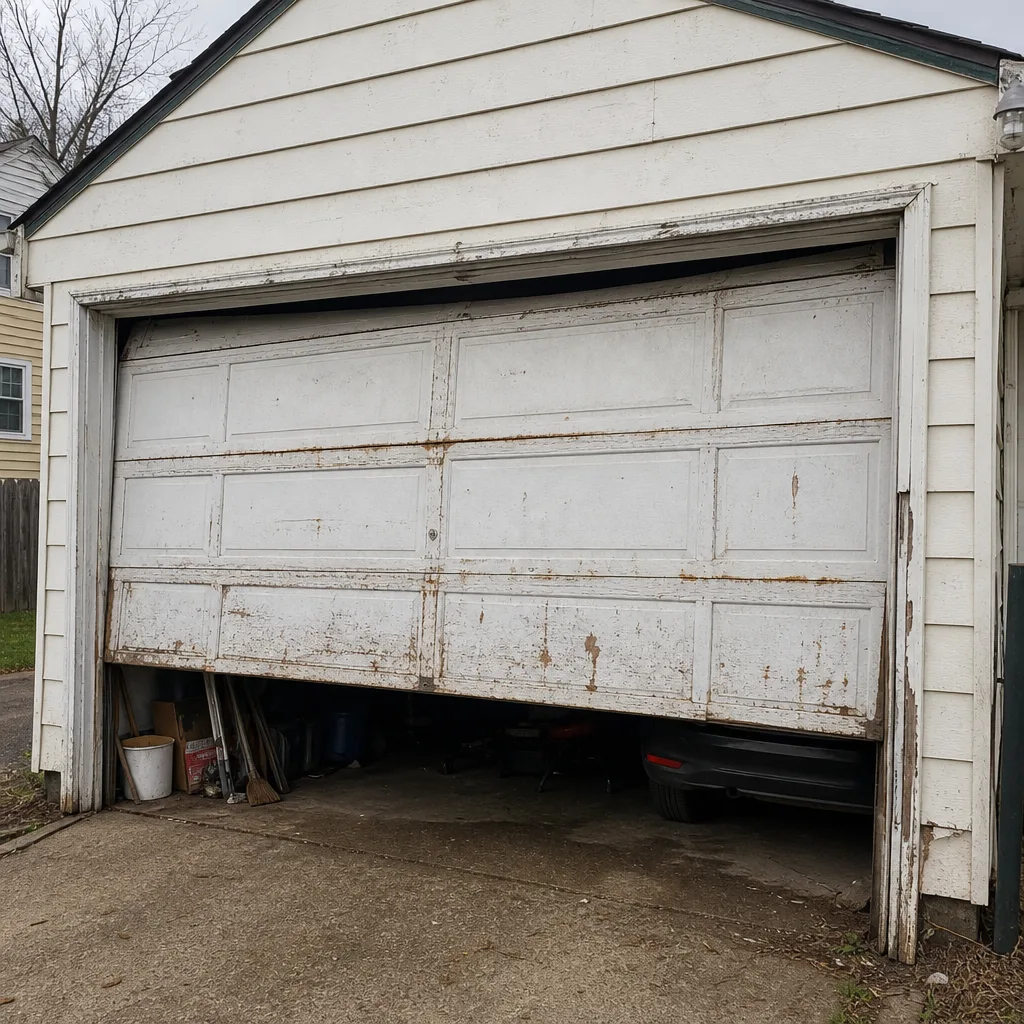 Before
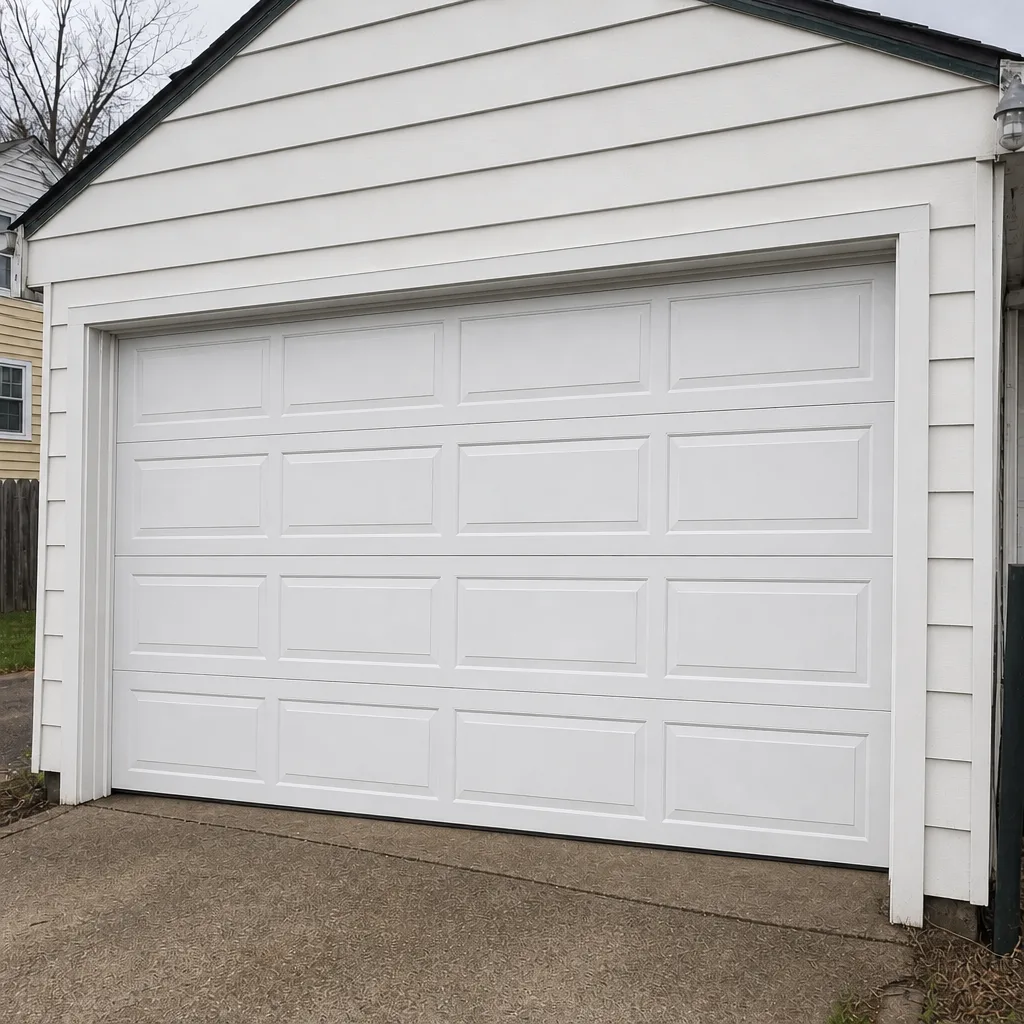 After
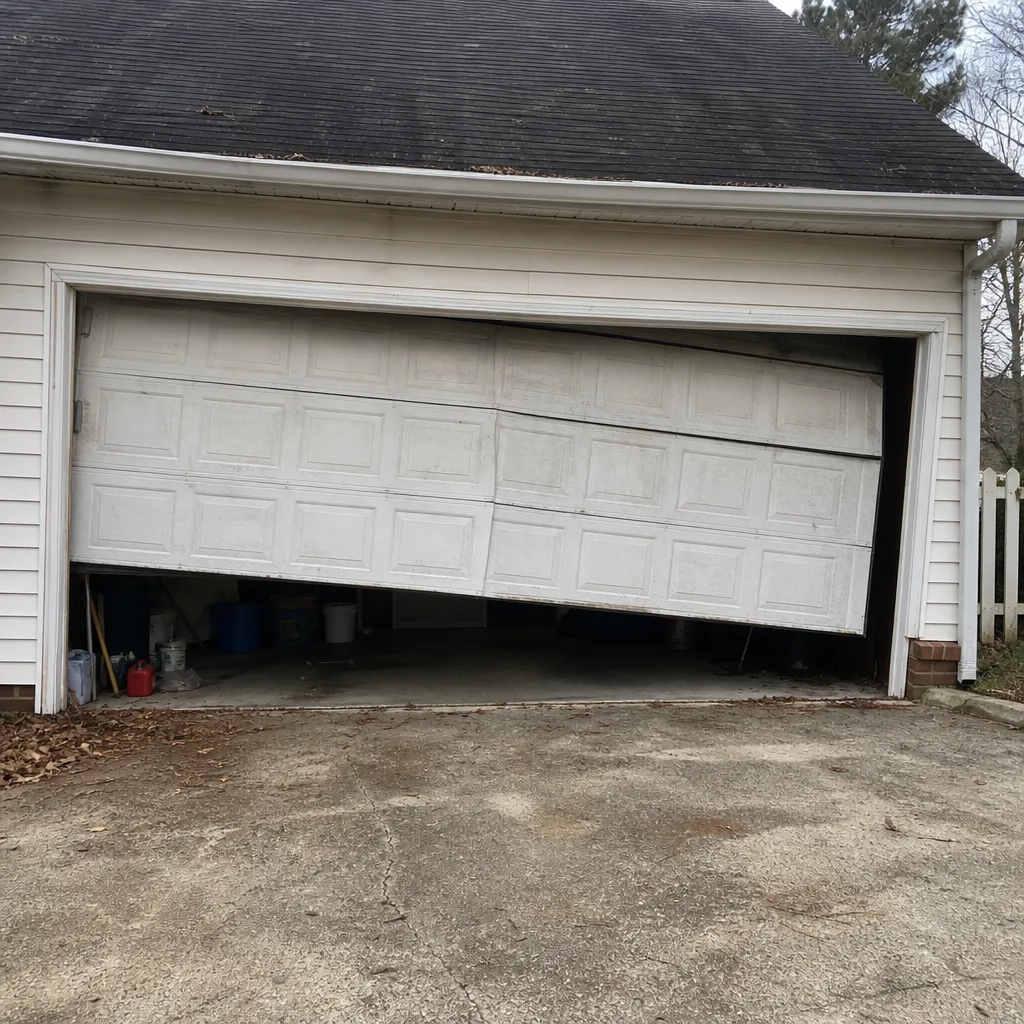 Before
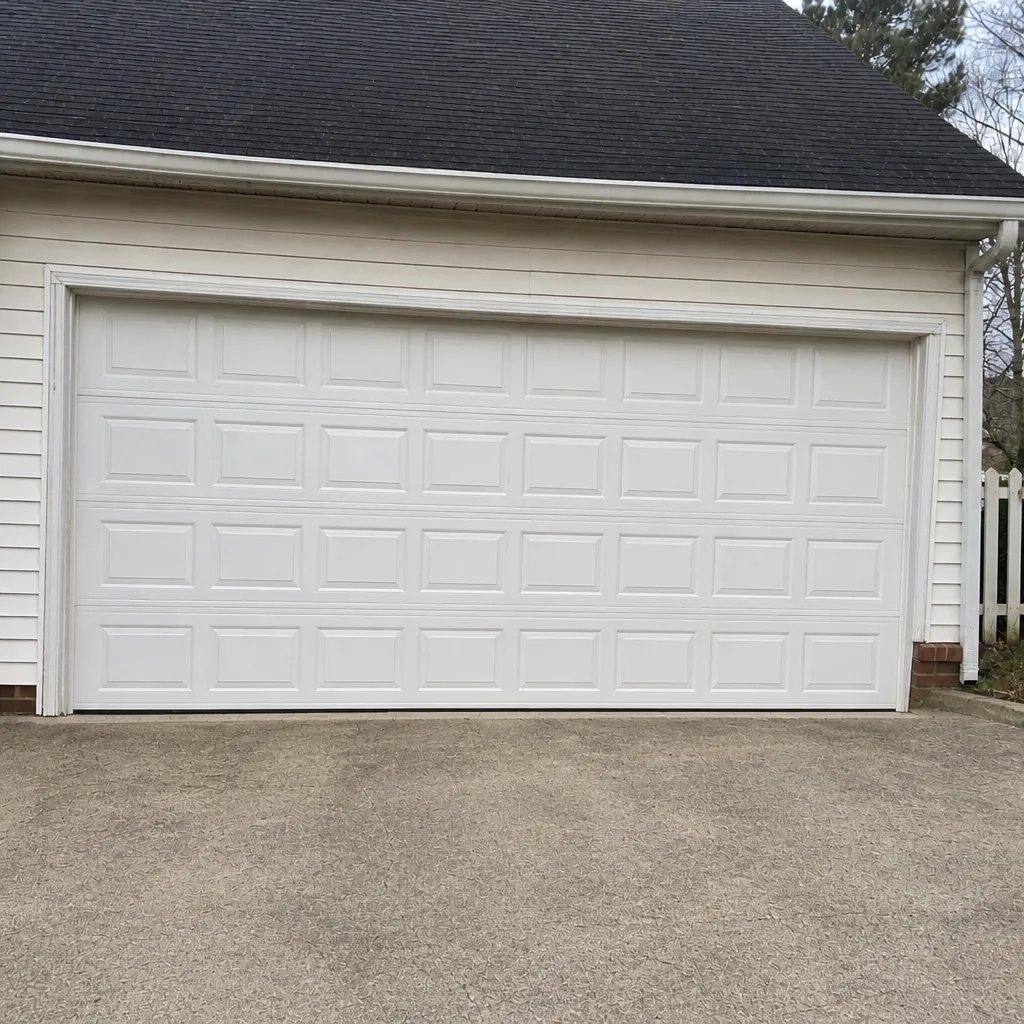 After
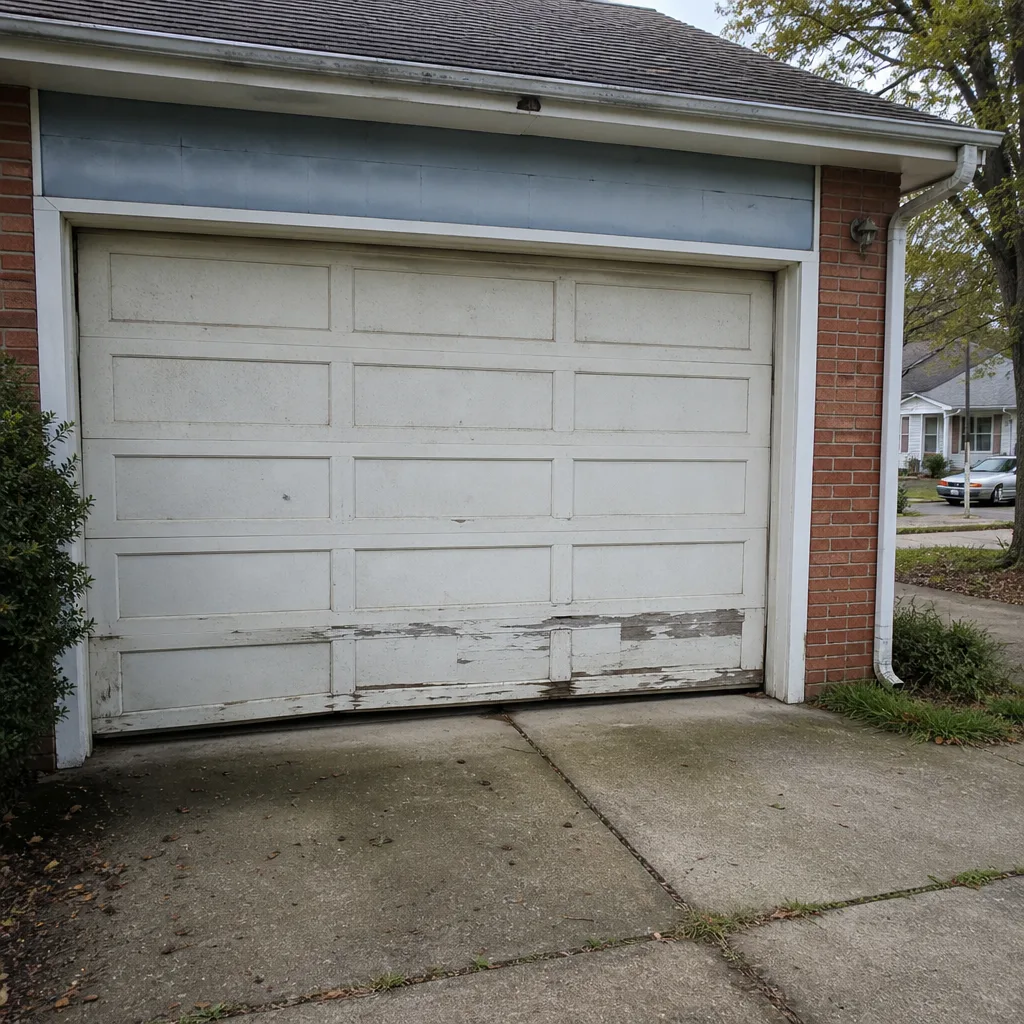 Before
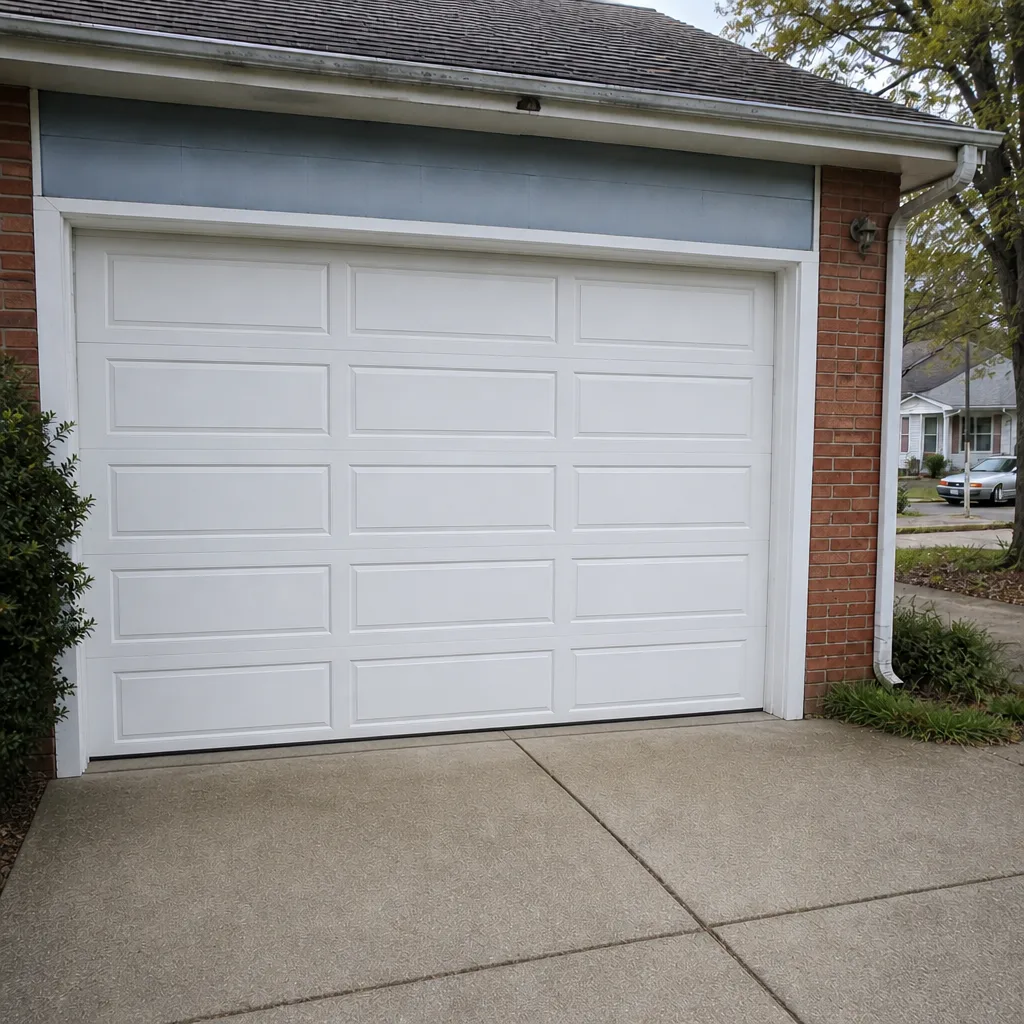 After
When to Call a Professional
Call a professional when any warning sign persists across two or three cycles, when you can hear or see the same issue every time you use the door, when the weight test shows an imbalance, or when the door reverses or refuses to close without an obvious cause. Call immediately if a spring has broken, a cable has snapped or come loose, the door has come off its track, or a door won’t stay down. Those are not deferrable conditions. Hampton Garage Door Repair Co offers free estimates in Hampton, so there’s no cost to finding out whether your door needs a repair or a replacement. Call (877) 600-5531. We work on the brand you already have, and our technicians have up to 11 years of experience diagnosing exactly these warning signs.
Frequently Asked Questions
The most common early warning sign is a door that hesitates briefly before moving or reverses without an obstruction. Those two behaviors usually point to a door that’s out of balance, worn rollers, or a misaligned safety sensor, and they show up before the door stops working entirely. Call (877) 600-5531 for an exact diagnosis and a free estimate.
A failing torsion spring usually sounds like a sharp snap or a strained groan near the top of the door, while a bad roller produces a rumble, rattle, or squeal that changes with speed. If you hear a snap and the door won’t lift, treat it as a broken spring and stop using the door. Call us for a same-day diagnosis on spring issues; estimates are free.
Yes. A door that’s slower to close than it used to be usually has extra friction from worn rollers, a bent track, or a tired opener. It’s a schedule-service-this-week sign, not a stop-now one, but the longer it runs the more likely the opener fails. Call (877) 600-5531 to book a free estimate and get it looked at before it becomes an emergency.
No. A frayed or kinked cable is a stop-now condition. Cables carry much of the door’s weight and are under real tension, so a cable that fails can whip loose or drop the door. Call us for emergency garage door service rather than cycling the door again.
It does, but mostly at the door’s surfaces and bottom edge. Peeling paint on a wood door, bubbling paint on a steel door, and a cracked weather seal all show up early in Hampton’s climate and get worse over time. If you see those signs, book an inspection before the panel softens. Call (877) 600-5531, free estimate.
The local pro we connect you with is licensed and insured as their state requires. We don’t do the work ourselves as employees; we connect Hampton homeowners with independent local professionals who handle the job. Estimates are free, and the price is quoted and agreed before any work starts. Call (877) 600-5531.
The Bottom Line
Garage door failures rarely happen out of nowhere. The half-second hesitation, the new rumble from a roller, the daylight under the bottom edge, the paint bubbling on a steel panel in Hampton’s humidity: each one is the door asking for service while it’s still cheap. The trick is sorting each sign into “schedule this week” versus “stop using the door now,” and then acting on that classification rather than rationalizing it away. A free estimate once a sign appears is the cheapest repair you’ll ever make. To get that estimate on a Hampton door, call (877) 600-5531 today.
If you’re not sure what you’re hearing or seeing, call us and describe it. We work on your brand, which means we’re starting from a well-known system, not a guess. Whether the answer is a repair, a full tune-up, or a door that’s due for replacement, the written estimate comes first and the price is agreed before any work starts. Our technicians have up to 11 years of experience, and our whole business is garage doors.
Written by the team at Hampton Garage Door Repair Co.