Last updated November 21, 2026
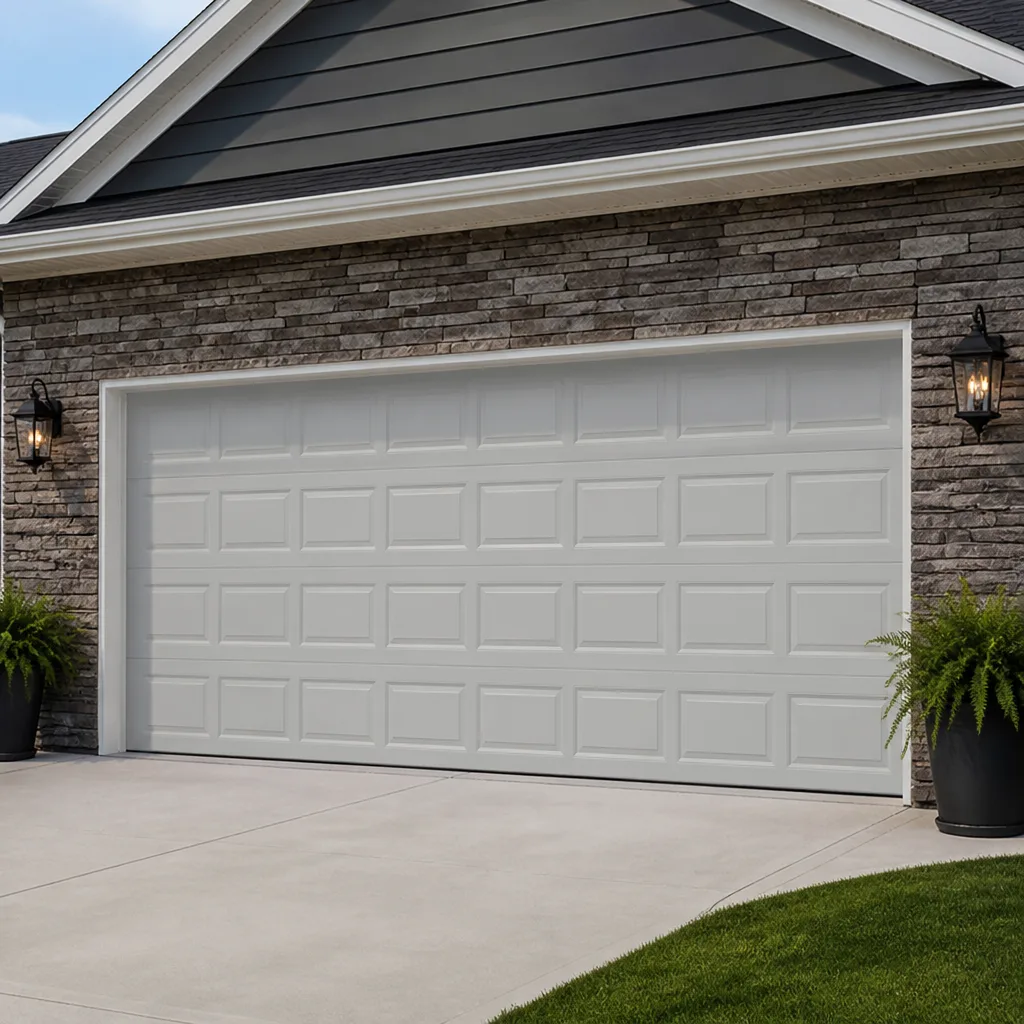 Raised-panel steel
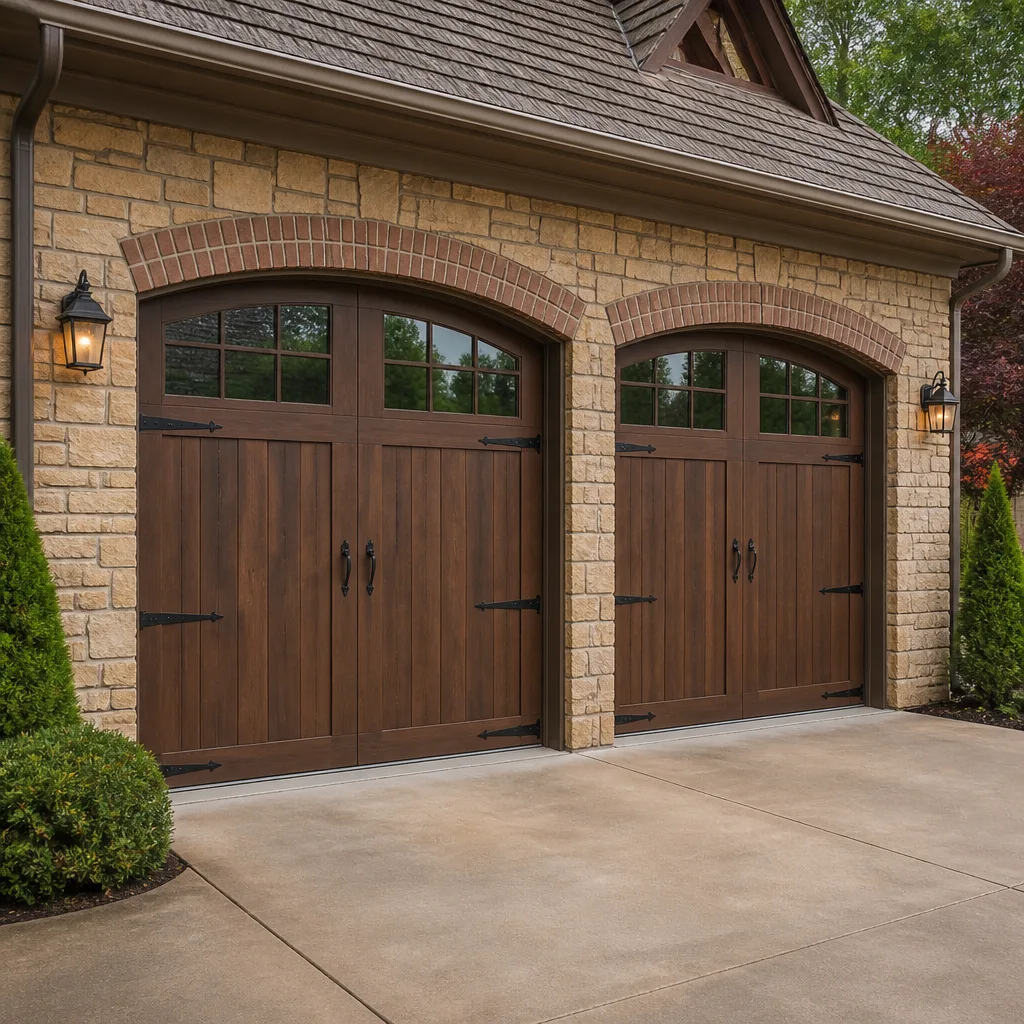 Carriage house
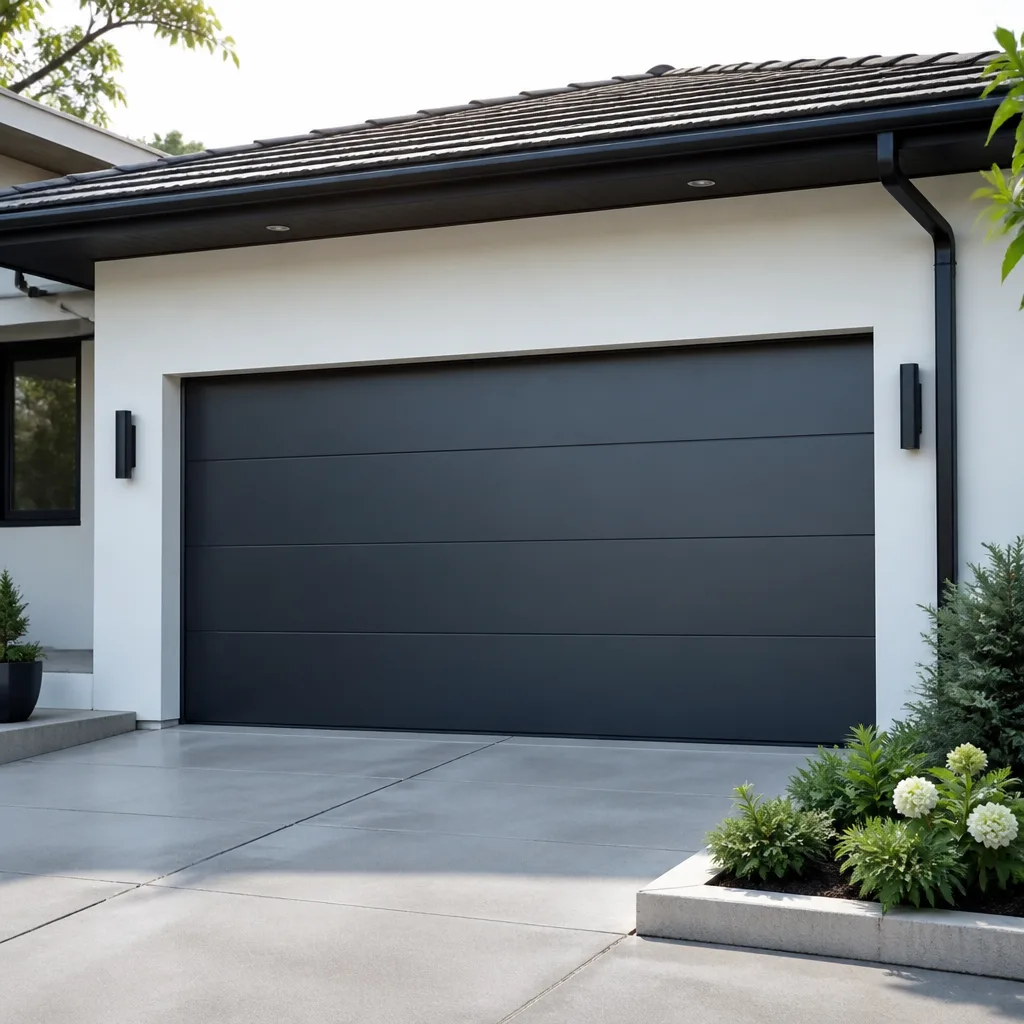 Modern flush
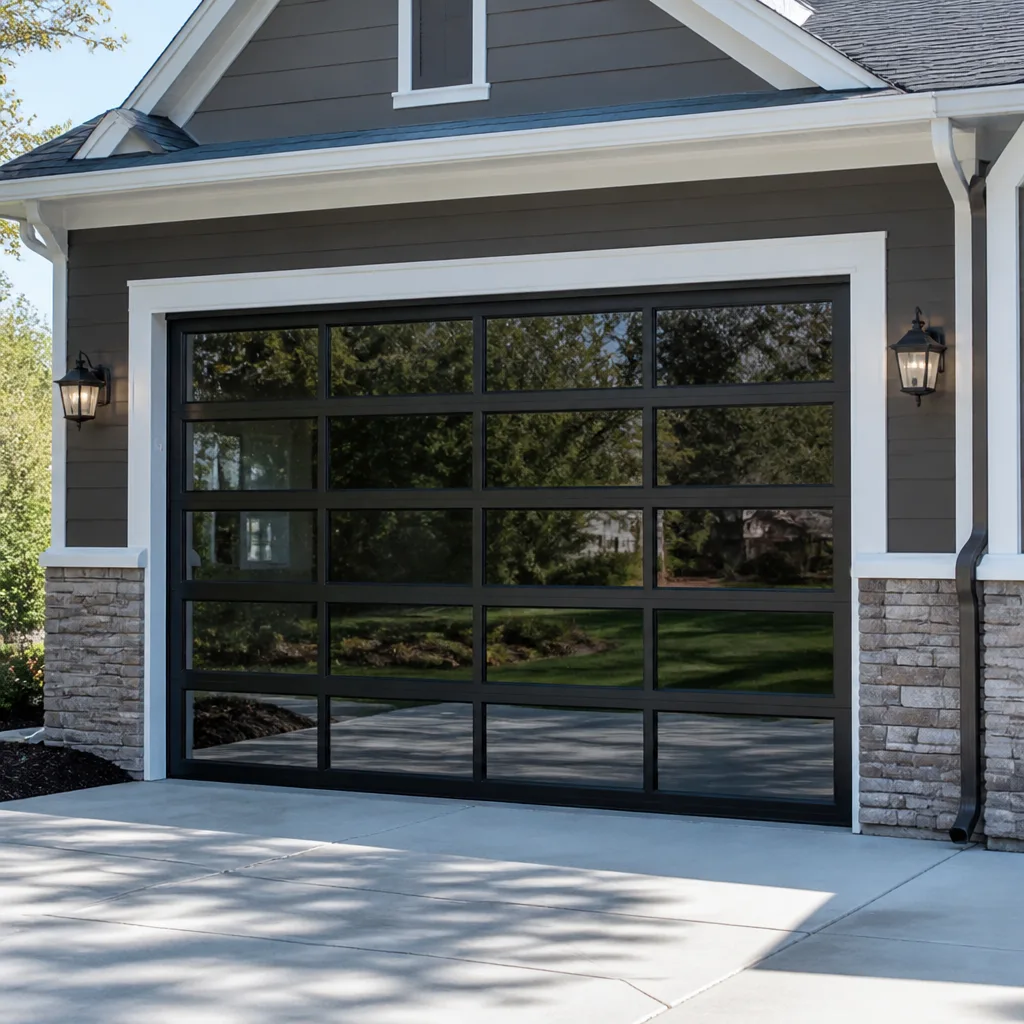 Full-view glass
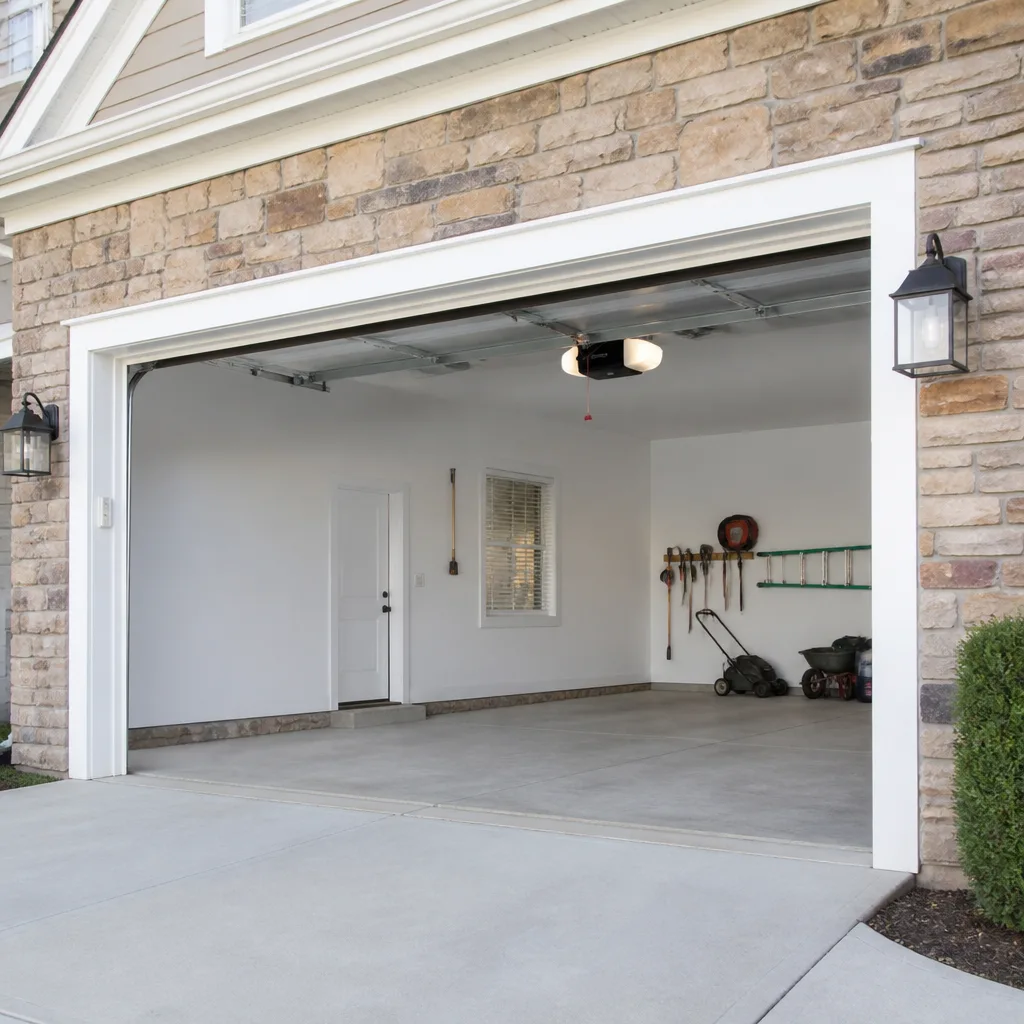 LiftMaster openers
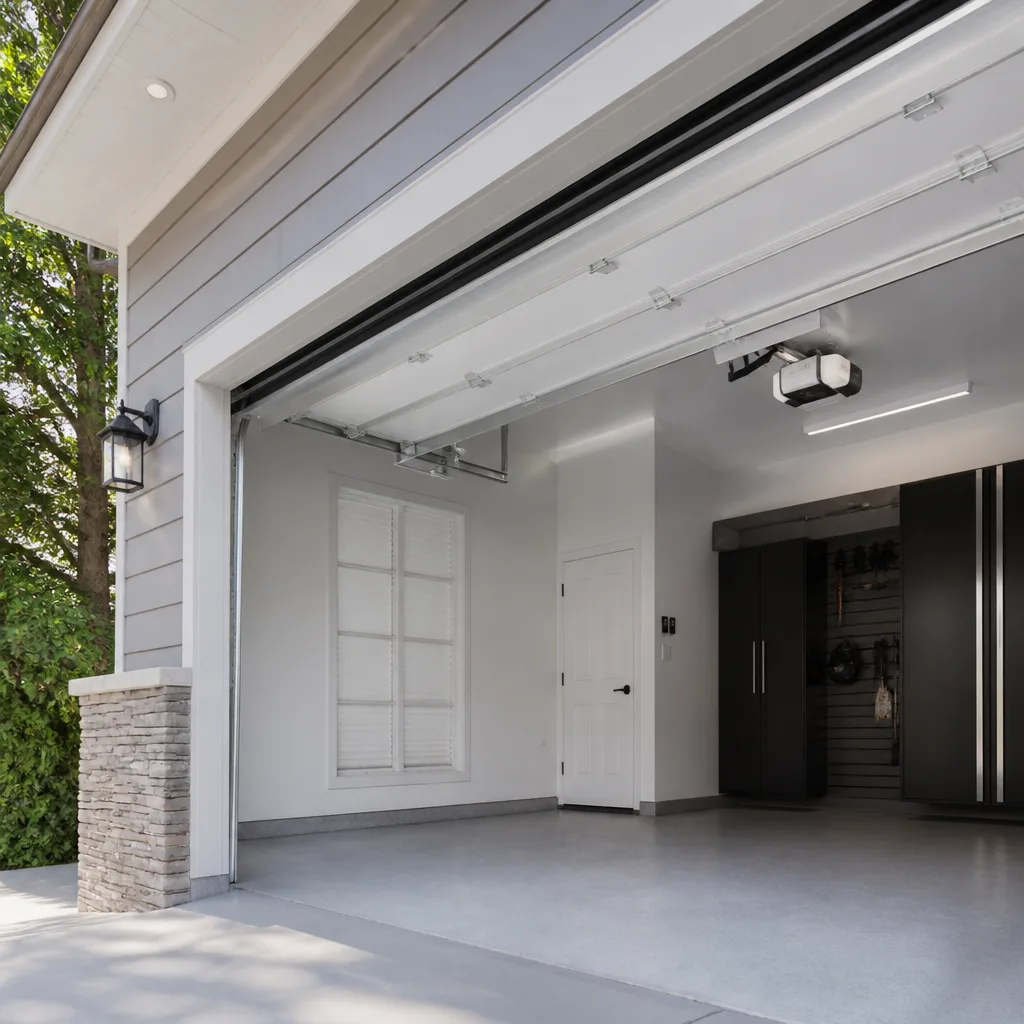 Chamberlain openers
Full 25-point door and opener safety check with every visit - springs, cables, rollers, tracks, and your LiftMaster or Chamberlain opener included
You get a price before we start. It does not change when the pro arrives.
Get your free estimateDIY vs Professional Garage Door: The Hampton Homeowner’s Decision Guide
Most homeowners in Hampton ask the wrong question first. They ask “am I handy enough for this?” when the real question is “does this specific task involve stored mechanical energy that can hurt me?” Those are two very different tests. Some garage door jobs are genuinely within reach of a motivated homeowner: aligning a safety sensor, replacing weatherstripping, quieting a hinge. Others involve a torsion spring wound to hundreds of pounds of tension, and no amount of confidence makes that safe. This guide draws the line task by task, tells you what’s worth doing yourself, what to hand to a trained specialist, your garage door’s largest moving part, and where DIY can quietly cost you more than hiring a pro.
Quick Answer
You can safely handle cosmetic and adjustment jobs on a garage door (weatherstripping, lubrication, safety sensor alignment, tightening exposed hardware), but you should never replace torsion or extension springs, adjust cables, or repair a bent structural panel yourself. Spring and cable work involve stored energy that can cause severe injury, and the right tools and training are what make it survivable. For anything touching springs, cables, or the structural frame, call a professional.
Styles & brands we work with
- Raised-panel steel
- Carriage house
- Modern flush
- Full-view glass
- LiftMaster openers
- Chamberlain openers
Table of Contents
- Task-by-Task Breakdown: DIY vs Professional
- Why Torsion Springs Are a Hard No for DIY
- How DIY Opener Mistakes Can Void Your Warranty
- Cost-Benefit: The Five Most Common Garage Door Jobs
- Hampton-Specific: Why Old Hardware Fights Back
- The Tools and Knowledge Gap
- Five Garage Door Tasks You Can Do Yourself
- Four Garage Door Tasks That Require a Technician
Task-by-Task Breakdown: DIY vs Professional
The cleanest way to decide is to sort every job into one of three buckets: safe for you, risky but manageable with care, and hands off. Here’s how it breaks down for a typical Hampton home.
Safe for you: replacing bottom weatherstripping, wiping down and lubricating hinges and rollers, clearing debris from the tracks, and realigning photo-eye safety sensors. These jobs involve no stored spring tension and no structural load. A homeowner with basic tools and a ladder can do them correctly.
Risky but manageable: tightening loose brackets, lubing the torsion bar (without adjusting tension), and replacing a worn roller on a non-tensioned track. These are doable, but you need to know which fasteners are load-bearing and which are not.
Hands off: torsion spring replacement, extension spring replacement, cable replacement, drum replacement, and structural panel repair. Anything involving a wound spring or a cable under tension belongs to a trained technician.
In Hampton, where older homes and long-settled neighborhoods mean plenty of aged hardware, that third bucket fills up fast. Our technicians have up to 11 years of experience, and every one of them would tell you the same thing: the spring is not the place to test your DIY skill.
Why Torsion Springs Are a Hard No for DIY
A torsion spring stores enough energy when wound to cause a severe laceration or a broken bone if it releases unexpectedly. That’s not a scare tactic. It’s physics. When you see a technician wind a spring with two steel rods, what you’re watching is a controlled release of force that can move a heavy door hundreds of pounds.
The reason it’s dangerous comes down to three things:
- Winding tools. A torsion spring isn’t adjusted with a wrench. It requires specialized winding bars that engage specific holes in the cone. Using a screwdriver or length of pipe invites a slip, and a slip at that energy level is a serious injury.
- Winding direction and turns. Springs are wound a precise number of turns in a specific direction. Get it wrong and you can damage the spring, over-tension the system, or send the door crashing down.
- Tension is invisible. A fully wound torsion spring looks perfectly ordinary. There’s no gauge, no warning, no visual cue that it’s loaded. That’s exactly why a homeowner can’t judge when it’s safe to touch.
This is also why spring repair is a task many generalist handymen decline. It’s one of the most technically demanding jobs on a garage door, and doing it safely requires training and tools a homeowner simply doesn’t have. We perform spring repair as a core service for exactly that reason. If your spring is broken, the honest answer is: not safely on your own. Call a trained professional.
How DIY Opener Mistakes Can Void Your Warranty
Openers are the part of the system homeowners most often try to fix themselves, and it’s also where DIY mistakes get expensive quietly. Openers from LiftMaster, Chamberlain, Genie, and other major brands come with manufacturer warranties, and most of those warranties are conditional on proper installation and service.
Here’s how a DIY opener repair can void that warranty:
- Improper force calibration. Modern openers use force-sensing safety limits. Adjust them wrong and the opener can fail to reverse when it meets an obstruction, which is a safety failure and can void the warranty.
- Wiring errors. Replacing a wall control or adding a smart module with incorrect wiring can damage the control board. Manufacturers often won’t cover a board fried by homeowner wiring.
- Travel limit mistakes. Setting the up/down limits wrong can burn out the motor or damage the door. That’s a repair the warranty won’t cover.
- Wrong replacement parts. Using an off-brand gear or drive belt can cause premature failure and is grounds for warranty denial.
If your opener is still under warranty, DIY repair is a bad trade. A technician who works on your specific brand (say, a LiftMaster wall-mount or a Genie chain drive) knows what the warranty requires. When a manufacturer investigates a failed opener and traces it to an improper install, the repair falls on you. When your garage door opener repair is done by a specialist, that risk disappears.
Cost-Benefit: The Five Most Common Garage Door Jobs
Where does DIY actually save money, and where does it cost you more? Here’s the honest math for the five jobs Hampton homeowners ask about most. All figures are typical estimates, and a written estimate is what sets the final price.
- Weatherstripping replacement: DIY wins. Materials are inexpensive and the job is low-risk. A pro can do it faster, but you’re not gambling anything by handling it yourself.
- Safety sensor alignment: DIY wins. It’s usually a matter of clearing an obstruction or nudging the sensor bracket. No reason to pay for it.
- Openers repair: Pro wins. A failed opener often means a board, drive gear, or logic problem. DIY mistakes here can void a warranty and cause a bigger repair. The savings rarely hold up.
- Spring replacement: Pro wins, every time. There is no safe DIY version of a torsion or extension spring job. The cost of a pro repair is a fraction of an emergency room visit.
- Panel or structural repair: Pro wins. Structural panels carry the weight and alignment of the door system. Repairing one yourself can unbalance the door and stress the opener.
Notice the pattern. The low-risk, low-cost jobs are worth doing yourself. The middle- and high-risk jobs are where a technician is worth the price. If you’re weighing a full replacement instead, our garage door installation service includes a free measure and a written price before any work starts, so you’ll know the number up front. A general garage door repair call covers the diagnoses for all of the above.
Hampton-Specific: Why Old Hardware Fights Back
Hampton homes tend to sit in older, well-established neighborhoods where a garage door has been in service for a lot of years. Over that time, fasteners rust and seize, brackets weld themselves to the wall, and what looks like a five-minute removal on a video becomes a two-hour fight. That’s the hidden tax on DIY in Hampton: the assumption that hardware comes apart as easily as the tutorial shows.
When a hinge bolt is frozen or a bottom bracket is rusted solid, the temptation is to force it. That’s the wrong move. Forcing a frozen fastener can snap the head clean off or twist a bracket that’s holding spring tension. On older Hampton doors, the safest approach is to treat every fastener as potentially seized and to work with slow, deliberate pressure. If a bolt won’t budge, stop. A technician has the experience to recognize when a bracket is load-bearing and can free the hardware without accident.
The climate here also plays a role in the door’s general wear. The humidity and temperature swings through a Hampton year stress the hardware, the openers, and the panels. That’s not a coincidence; it’s the reason a door that’s been in service for years needs more than a fresh coat of paint to keep working. If you live in Hampton and your door is starting to feel stiff, that’s your cue to have it checked; the problem rarely stays small. We’re a Hampton Garage Door Repair Co focused entirely on this one system, so we understand how the local seasons treat the hardware on your door.
The Tools and Knowledge Gap
Some of the tools needed for safe garage door work aren’t in a typical homeowner’s toolbox, and that’s the point. The gap isn’t skill, it’s equipment and judgment. Here’s what separates a DIY attempt from a professional job.
Winding bars. A torsion spring requires proper winding bars. A screwdriver or pipe is not a substitute; it can slip and release the spring. A technician has the right bars and knows how to engage them.
Spring scale and tension knowledge. A technician knows roughly how many turns a given spring should take and can verify the counterbalance is right. Guessing leads to an unbalanced door that stresses the opener and the panels.
Cable handling. Cables are under tension too, and a snapped cable can whip through the air. Technicians know how to secure the door before touching cables.
Panel alignment. A bent panel needs to be replaced, not hammered straight. A technician can tell whether a door can be saved or needs a new section.
If you’re missing any of the above, you’re not under-equipped; you’re doing the right thing by stopping. Knowing the line is what keeps you safe, and the difference between a quick fix and an ER visit is exactly this line.
Five Garage Door Tasks You Can Do Yourself
Here’s the short list of jobs that are genuinely safe for a homeowner in Hampton. Follow these and you’ll extend the life of your door without risk.
- Replace bottom weatherstripping. With the door closed, pull the old seal out of its track and slide in a new one. Materials are inexpensive and the job requires no special tools.
- Align or clean safety sensors. Clear cobwebs or dirt from the photo-eye lenses and check that the indicator lights are on. If a sensor is misaligned, loosen the bracket and nudge it back until both lights are steady.
- Lubricate hinges, rollers, and tracks. Use a silicone or white lithium spray on the hinges and rollers, and wipe the tracks clean. Avoid greasing the tracks themselves; they need to stay clean and dry.
- Tighten exposed bolts. Check the bolts on the hinges and brackets, and tighten any that are visibly loose. Don’t touch anything connected to a spring or cable.
- Clear obstructions. Make sure nothing is leaning against the door, blocking the sensors, or sitting in the track. A surprising number of “broken” doors are just obstructed doors.
These five tasks cover the bulk of everyday door problems, and doing them yourself is a reasonable choice. When something beyond this list appears, that’s the signal to call.
Four Garage Door Tasks That Require a Technician
On the other side of the line, here are the jobs that should never be DIY, no matter how confident you are.
- Torsion or extension spring replacement. There is no safe DIY path. The stored energy in a wound spring can cause severe injury. Call a professional.
- Cable replacement. Cables are under tension and can snap. A technician secures the door and handles the tension correctly.
- Opener replacement or major repair. If the opener is under warranty, DIY repair risks voiding it. Have a brand-familiar technician service the unit.
- Structural panel repair. Bent or damaged panels carry the weight of the door. Repairing one yourself can unbalance the system and put extra load on the opener.
Spring work sits at the top of this list because it carries the most risk. We handle spring repair as a core service. It’s one of the most safety-critical jobs on a garage door, and it’s not the place to save money.
Common Mistakes to Avoid
- Assuming the tutorial matches your door. YouTube videos often show a newer door on a clean wall. On an older Hampton door with seized hardware, the same job can go sideways. Check your door before following a video.
- Using the wrong winding tools. A screwdriver is not a winding bar. If you wouldn’t trust it with a spring’s full energy, don’t use it.
- Forcing a frozen fastener. Older Hampton hardware rusts in place. Forcing a bolt can snap the head or stress the bracket it holds.
- Adjusting opener force limits wrong. A misadjusted opener can fail to reverse on obstruction, which is a safety issue and can void the warranty.
- Replacing one spring of a matched pair. Matched pairs are usually replaced together because they wear at the same rate. Replacing one leaves the other as the weak link.
- Lubricating the tracks. The tracks should stay clean and dry. Grease collects dust and debris and makes the door work harder.
- Ignoring the warranty. DIY opener work can quietly void a manufacturer warranty. Before you touch the unit, check what the warranty requires.
See the difference
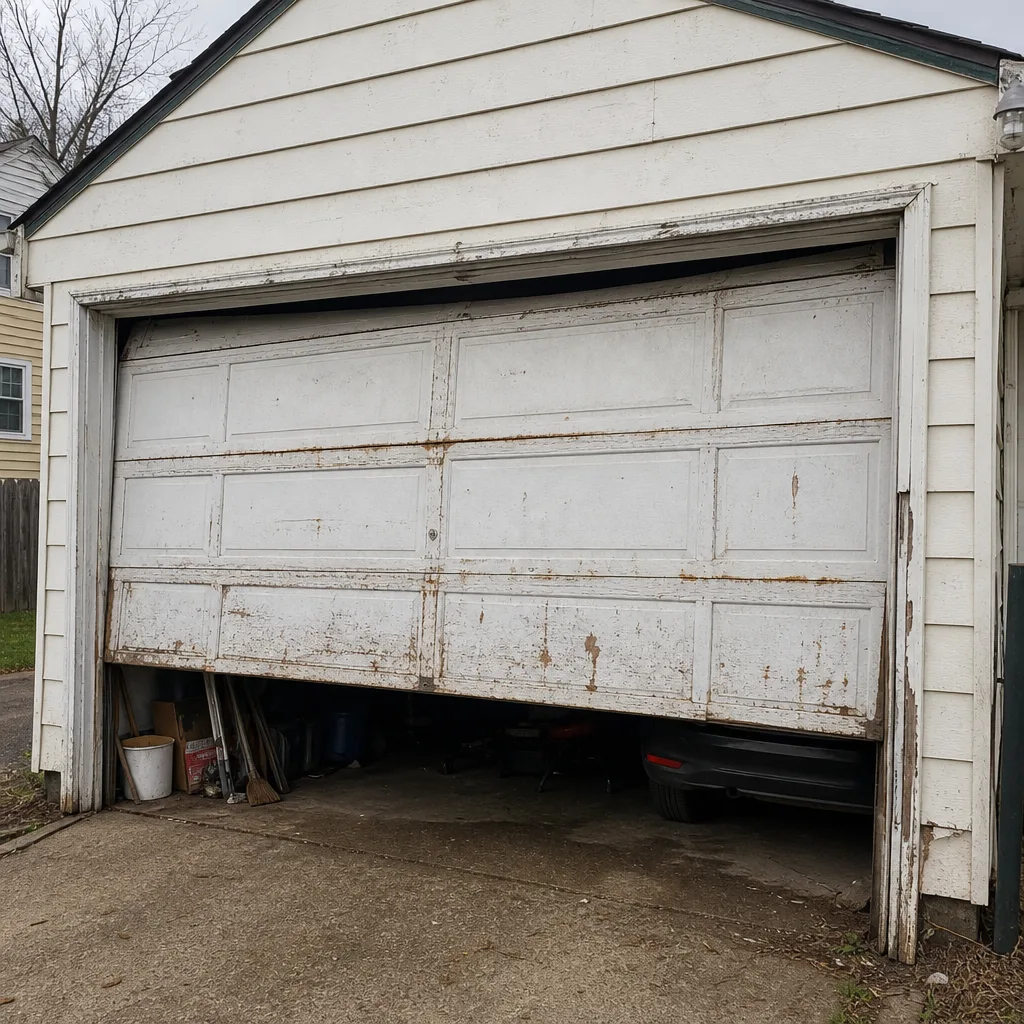 Before
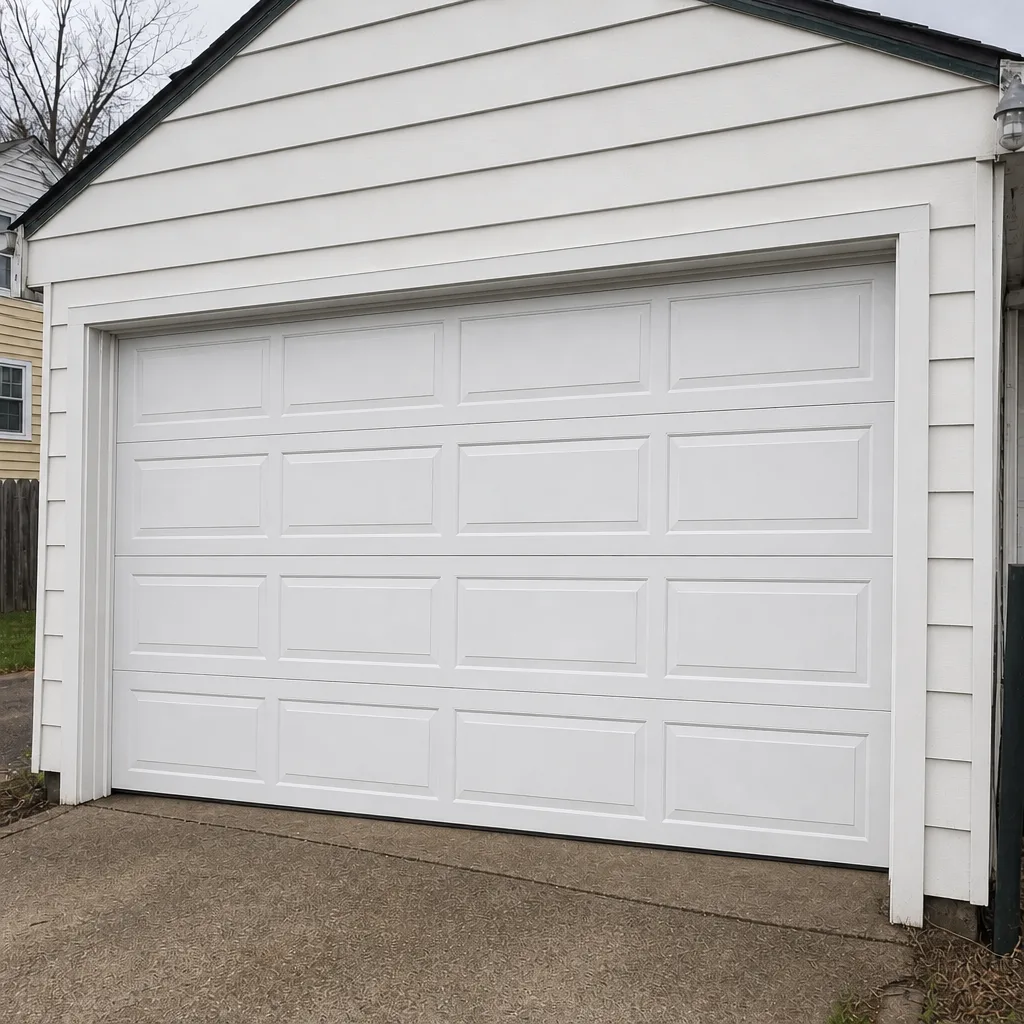 After
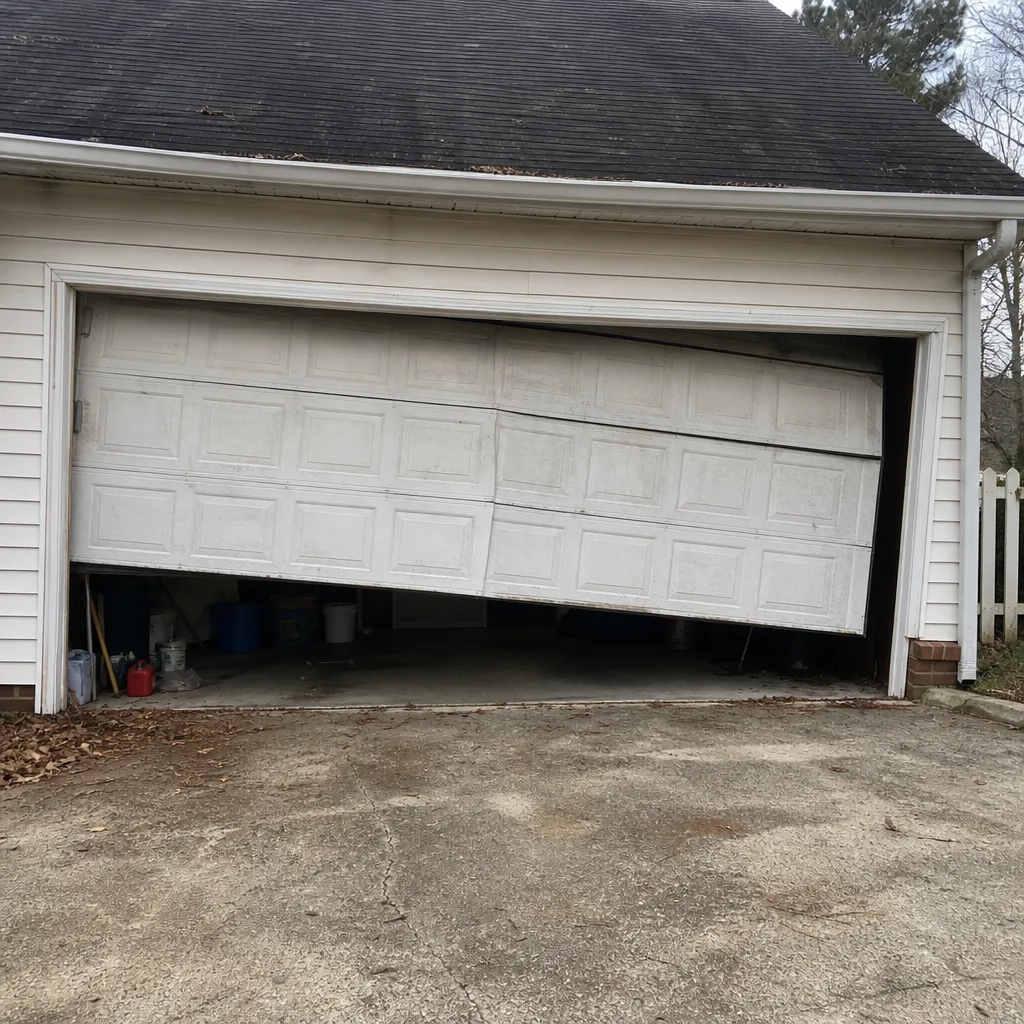 Before
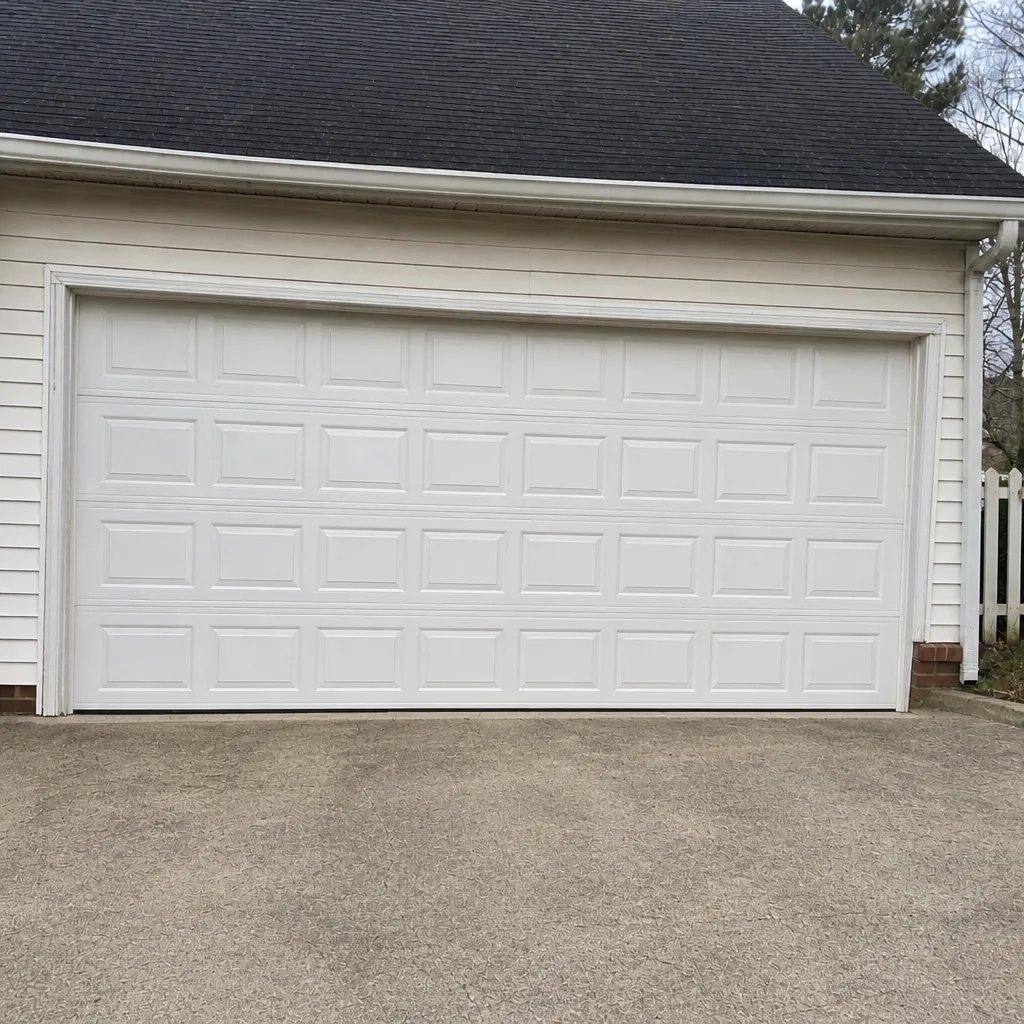 After
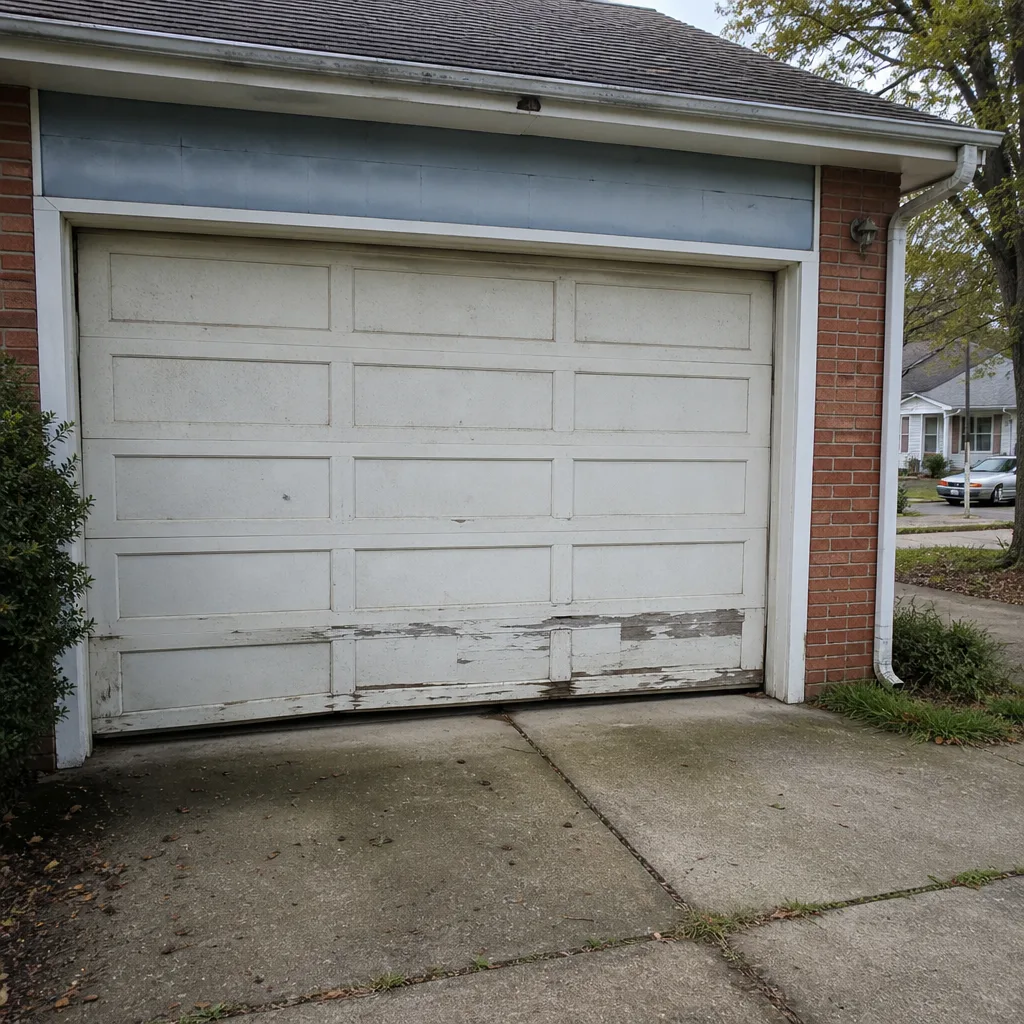 Before
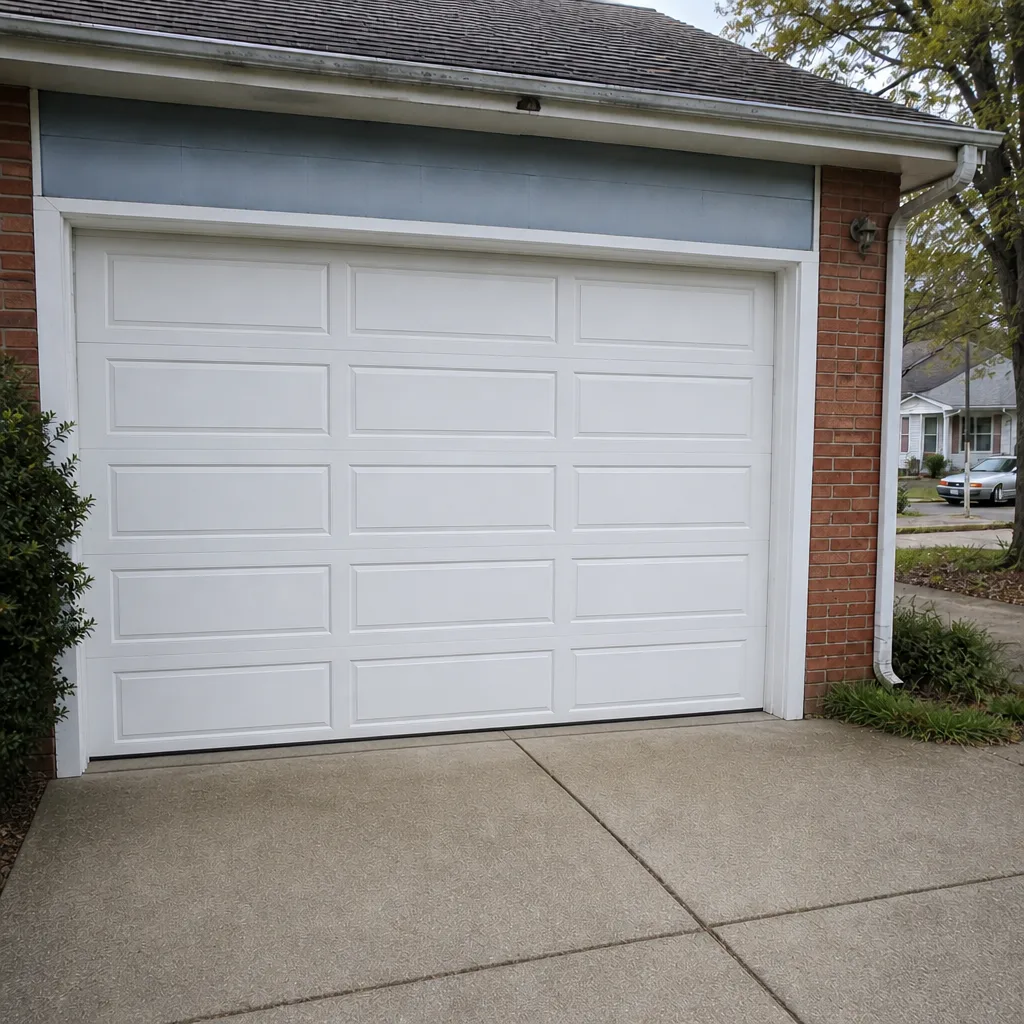 After
When to Call a Professional
Call a professional when the job involves a spring, a cable, a structural panel, or an opener under warranty. Also call if you’ve stopped mid-job because hardware is seized or the door behaves unpredictably after a repair. Those are exactly the moments when forcing it costs more than stepping back. Hampton Garage Door Repair Co offers free estimates in Hampton. Call (877) 600-5531 and we’ll walk through what’s going on.
Frequently Asked Questions
No. Torsion and extension springs store enough energy to cause severe injury if they release unexpectedly, and replacing them safely requires specialized winding tools and training. Call a professional for spring work.
Weatherstripping replacement, sensor alignment, lubrication, cleaning tracks, and tightening exposed bolts are all safe. Anything involving a spring, cable, or structural panel is not. When in doubt, treat the job as hands-off.
Yes. Most manufacturer warranties are conditional on proper installation and service, and incorrect force calibration, wiring, or limit settings can void coverage. A technician familiar with the brand, whether LiftMaster, Chamberlain, Genie, or another major manufacturer, knows what the warranty requires.
A torsion spring repair typically runs $180 – $340 for a single spring, and a matched pair usually costs about twice that because both springs are replaced together. Call (877) 600-5531 for an exact quote. Estimates are free.
The written estimate sets the final price. If the job turns out to be more involved than expected (seized hardware, for example), you’ll be told before work starts, so there are no surprises. Call (877) 600-5531 to schedule a free estimate.
The local professional we connect you with is licensed and insured as their state requires. Call (877) 600-5531 to confirm details for your area.
The Bottom Line
The DIY-versus-professional question comes down to risk, not skill. Weatherstripping, sensors, lubrication, and tightening bolts are within reach for any homeowner. Springs, cables, structural panels, and opener repairs under warranty are not. Hampton homeowners should also watch for hardware that’s aged in place, since old, frozen fasteners can make a “simple” job harder than it looks. Our technicians have up to 11 years of experience and service the brands you already have, including Raynor and Chamberlain. When a job crosses the line, call a specialist.
Call Hampton Garage Door Repair Co at (877) 600-5531 for a free estimate. We’ll tell you plainly whether your job is one to handle yourself or one we should take on.
Written by the team at Hampton Garage Door Repair Co.