Last updated November 21, 2026
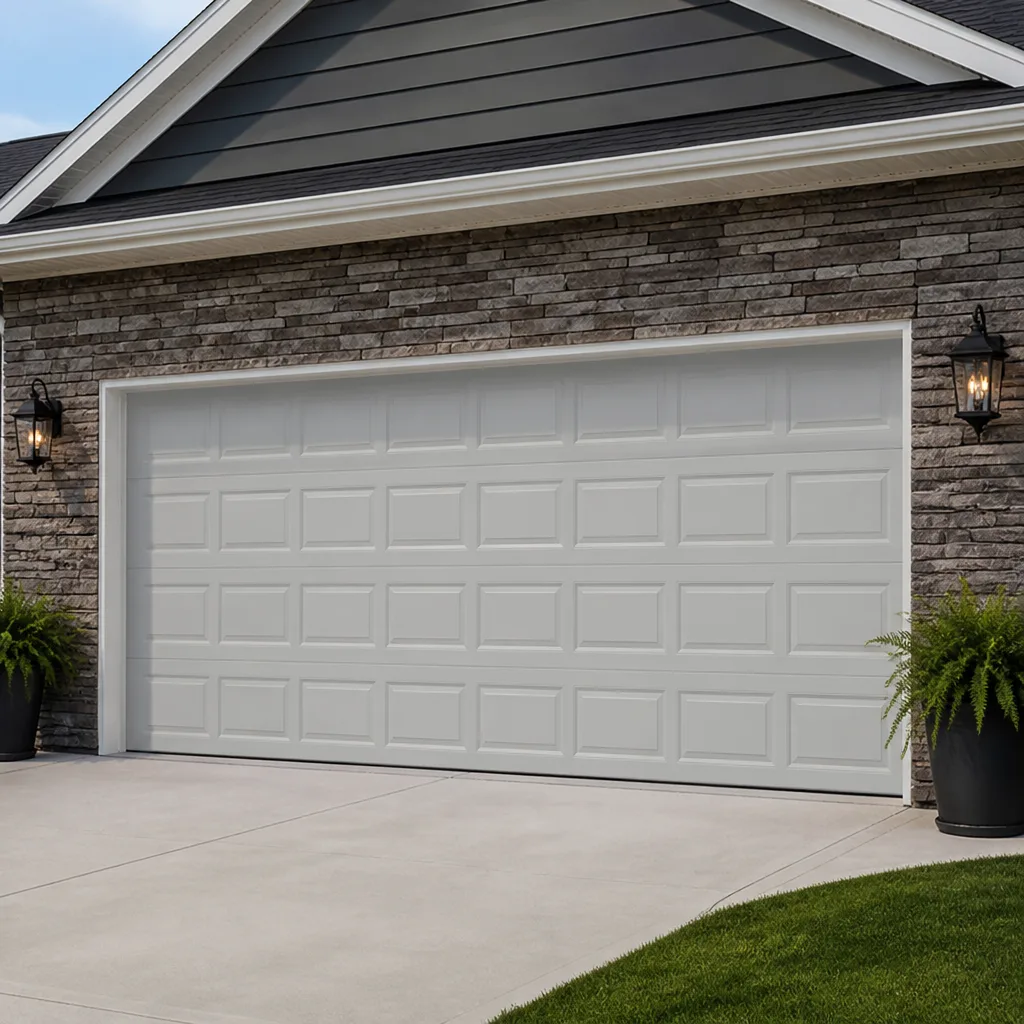 Raised-panel steel
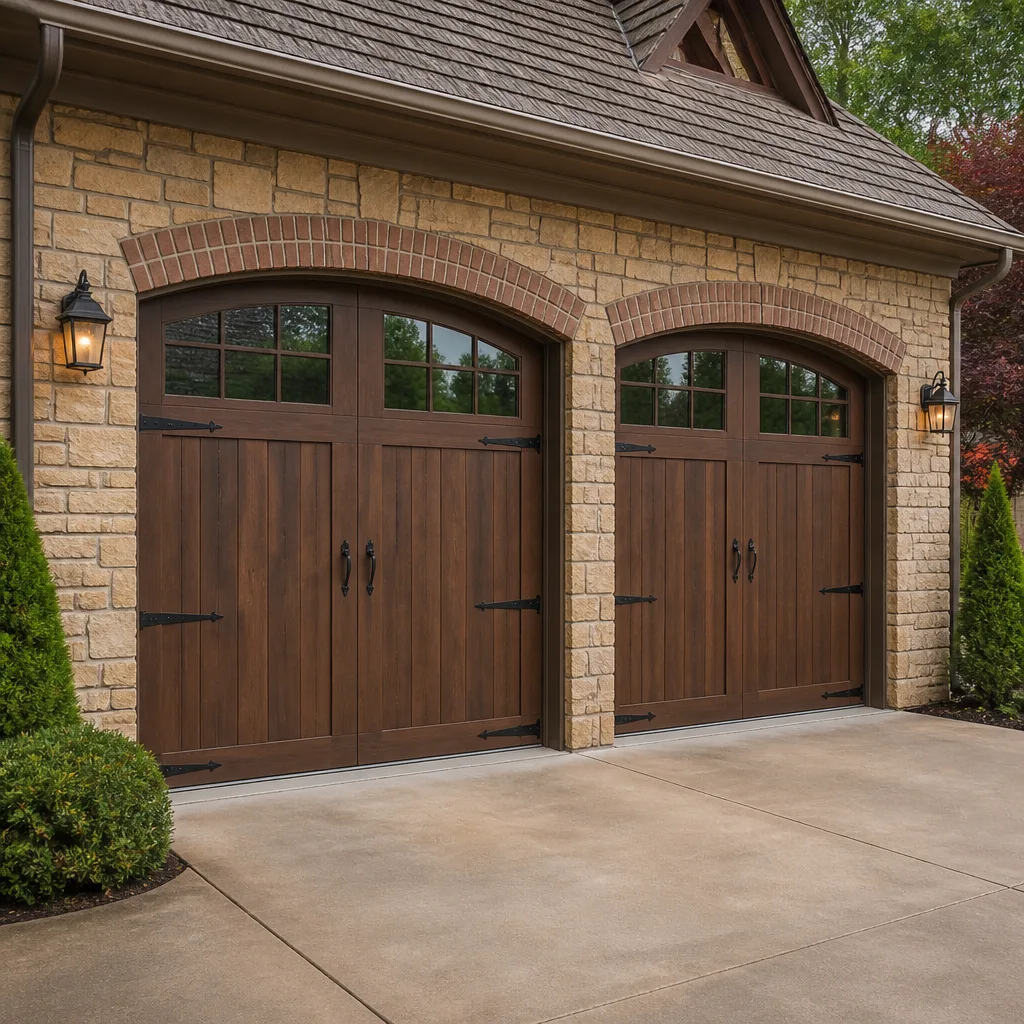 Carriage house
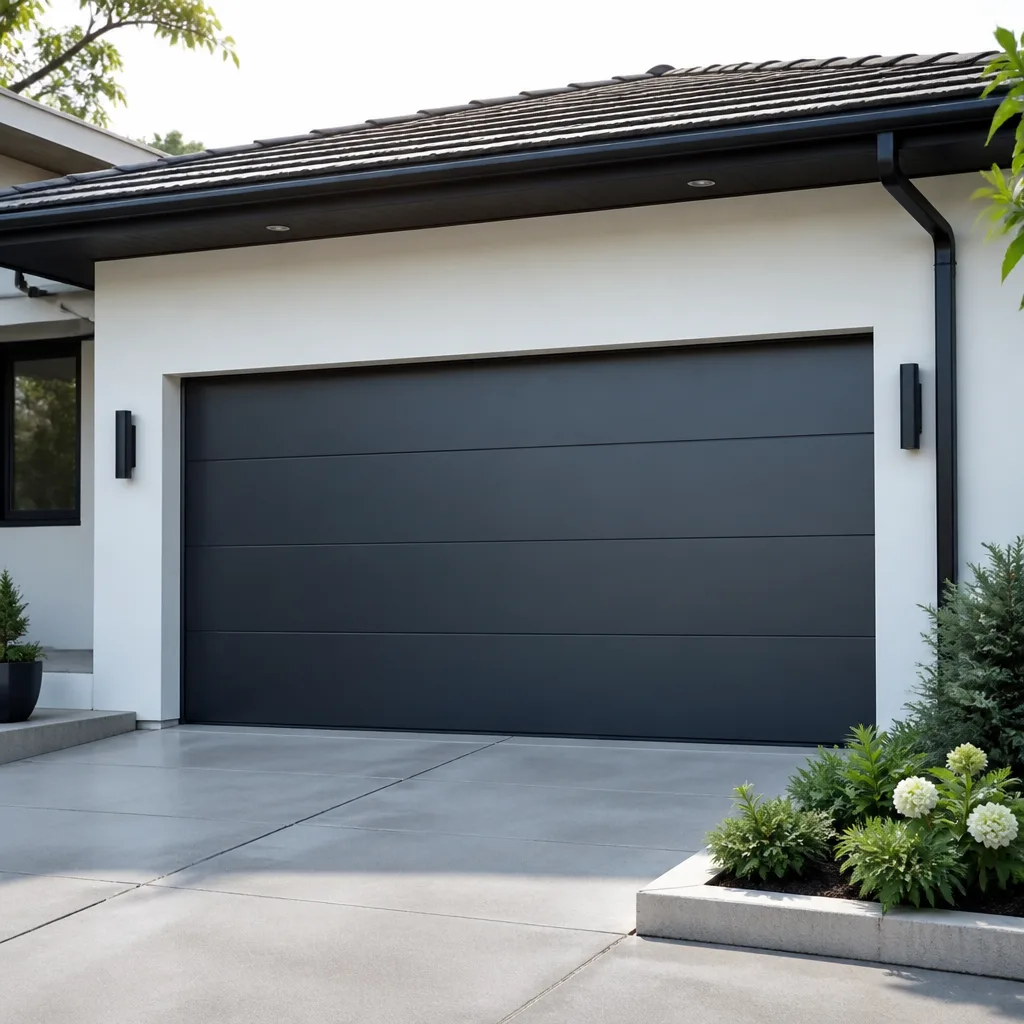 Modern flush
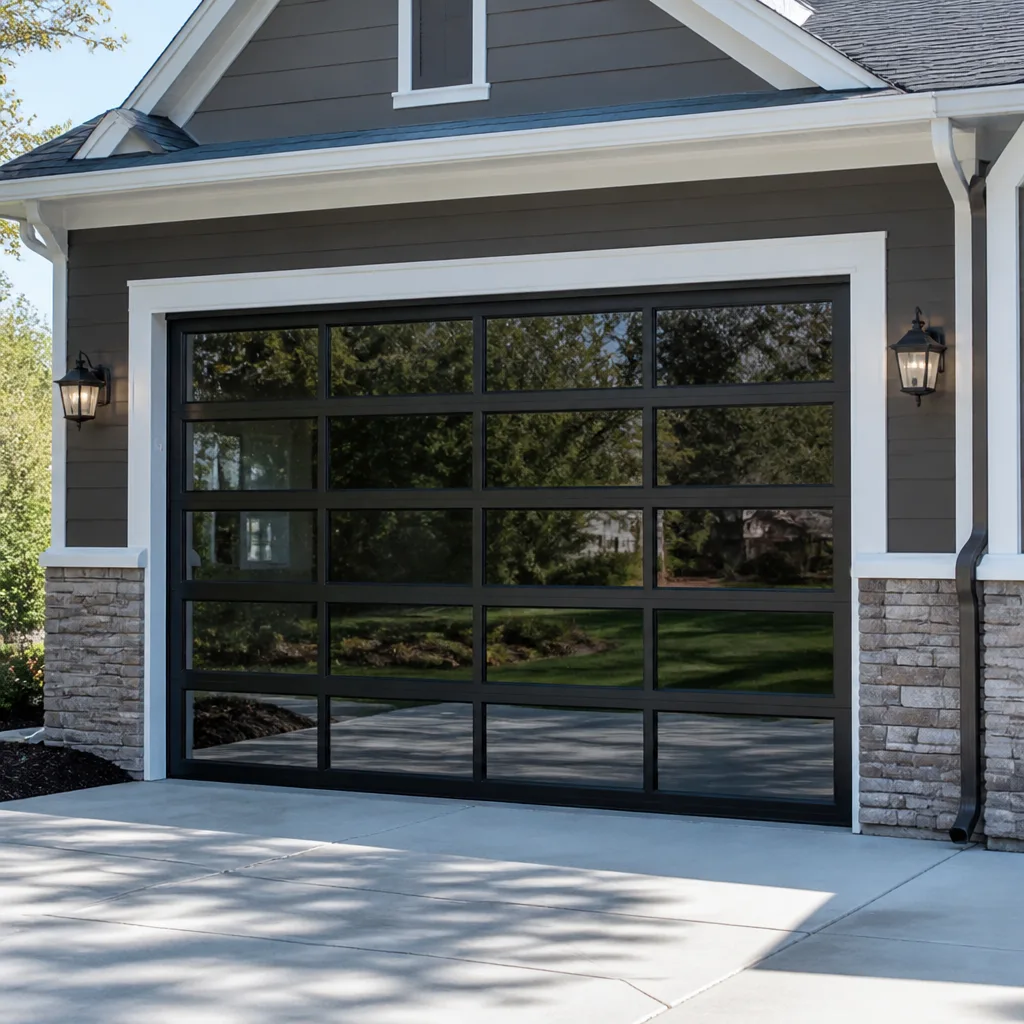 Full-view glass
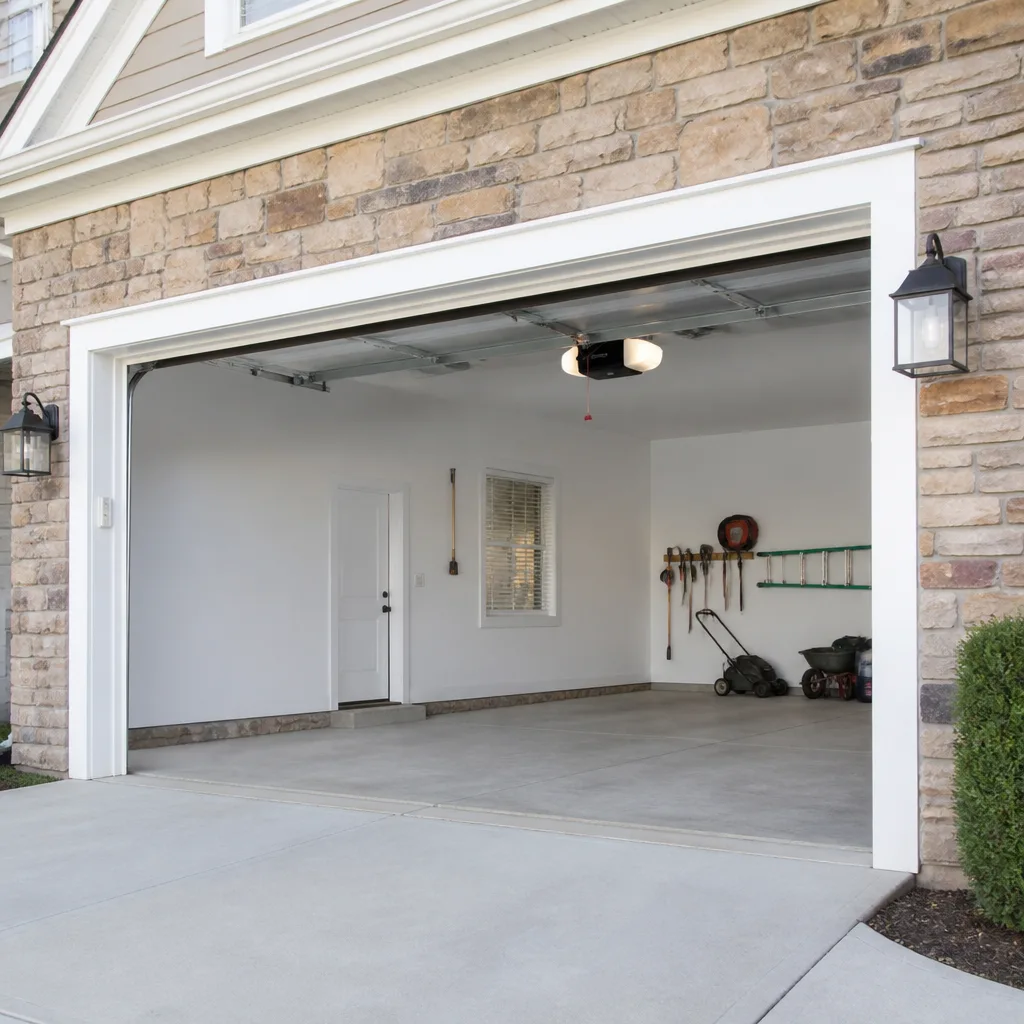 LiftMaster openers
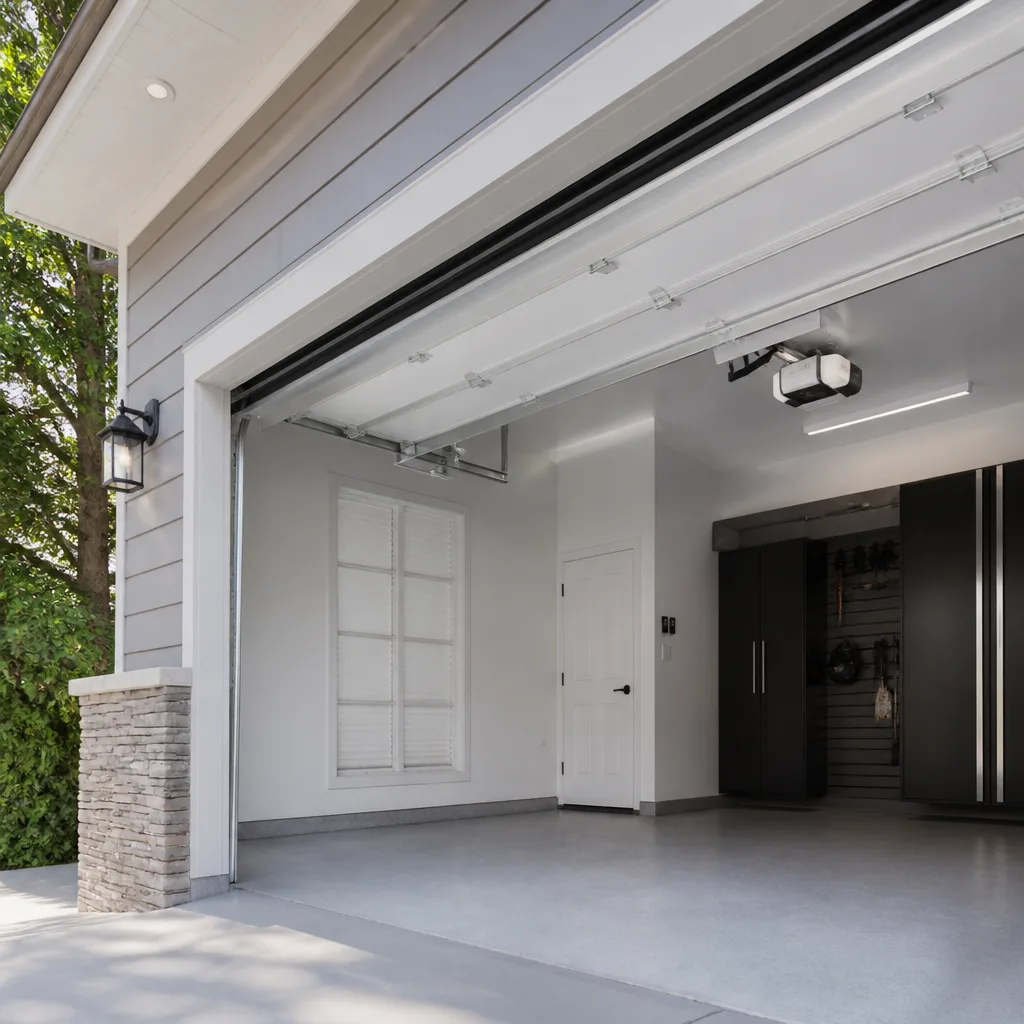 Chamberlain openers
Full 25-point door and opener safety check with every visit - springs, cables, rollers, tracks, and your LiftMaster or Chamberlain opener included
You get a price before we start. It does not change when the pro arrives.
Get your free estimateSeasonal Garage Door Care for Hampton: Year-Round Homeowner’s Guide
Most seasonal maintenance advice assumes four tidy seasons. Hampton doesn’t work that way. A December afternoon here can sit near 60°F, then February brings a hard freeze that shows up overnight. Hurricane season runs right alongside the stretch of summer heat that stresses every seal and spring on your door. That mismatch is why a garage-door checklist copied from a northern climate or a dry desert town usually misses the things that actually break here. In this guide, we walk through what Hampton’s weather genuinely does to your door across the calendar, from the pre-hurricane hardware check in May to the October lubrication that saves your springs in January. We’re Hampton Garage Door Repair Co, and this is how we think about year-round care in this city. You’ll leave knowing what to inspect, when to do it, and which jobs should never be a do-it-yourself project.
Quick Answer
Seasonal garage door care in Hampton means working to the local climate, not a four-equal-seasons template: check wind-load hardware and your opener’s backup power before hurricane season in May, inspect the whole system after any tropical event, manage humidity-driven seal swelling and track binding through the summer, lubricate springs and hinges in October before the first freeze, and do a spring recovery pass in March after the wet winter. The two most dangerous components, torsion springs and the high-tension cables beside them, need a trained professional, never a homeowner with a ladder.
Styles & brands we work with
- Raised-panel steel
- Carriage house
- Modern flush
- Full-view glass
- LiftMaster openers
- Chamberlain openers
Table of Contents
- Why Hampton’s Seasons Break the Standard Maintenance Calendar
- Spring Recovery: Undoing Winter’s Wear
- Pre-Hurricane Season Checklist for May
- Post-Storm Inspection: What to Check Before Normal Operation
- Summer Humidity: Seals, Tracks, and Opener Stress
- Freeze Prep in October: Springs and Lubrication
- When the Sudden Freeze Hits: Cold-Weather Spring Behavior
- When to Call a Professional
- Frequently Asked Questions
Why Hampton’s Seasons Break the Standard Maintenance Calendar
Hampton’s “winter” averages around 45°F, which sounds mild. The problem is the occasional hard freeze that cuts through that average without warning. Your garage door was working fine in the afternoon, the temperature drops twenty degrees overnight, and by morning the spring steel that has been carrying the door’s weight has been asked to do its job at a temperature it doesn’t like. Cold makes steel less forgiving. A torsion spring under tension doesn’t need much provocation to fail when the metal contracts and the load suddenly shifts.
The other half of the local picture is hurricane season, which overlaps with the hot, humid summer stretch. That combination creates two different kinds of stress at once: wind and water from the outside, humidity and heat from the inside. A door that handled a breezy spring can start binding in July because the bottom seal has swelled and is dragging on the concrete. Neither problem announces itself. Both get worse quietly.
So instead of the textbook “spring clean, fall prep” rhythm, we tell Hampton homeowners to think in local beats:
- Late winter to early spring: recover from the wet months, address rust and worn seals, recalibrate the opener.
- May: get the door and hardware ready before hurricane season.
- After any tropical event: full inspection before you trust the door again.
- June through September: manage humidity, seals, and track friction.
- October: lubricate and tune while temperatures still cooperate.
- December through February: watch for the sudden freeze and know the warning signs.
If you work to that schedule, most failures get caught while they’re still cheap to fix. The point of seasonal care is to catch small problems in their slow, telegraphed phase. Our garage door repair work in Hampton is full of jobs that started as a swollen seal or a rusty hinge six weeks earlier. This guide is about noticing those signals early enough to act.
Spring Recovery: Undoing Winter’s Wear
Hampton’s winters are wet more often than they’re frozen, and constant dampness does a particular kind of damage. The first warm dry week in March is when you’ll notice it: rust spotting on hinges and rollers, a bottom seal that’s gone stiff and cracked at the corners, a door that doesn’t close quite flush anymore. Call this the spring recovery pass, and it’s worth doing methodically.
Start with a walk-around while the door is closed. Look along the bottom edge for daylight, which tells you the seal isn’t making contact. Run a hand along the hinges and roller brackets, feeling for rough patches that mean rust is starting. If you see orange-brown spotting on a hinge, that’s the early stage; catching it now avoids a seized roller later. Wipe those spots down and apply a garage-door lubricant, not a general household oil, because the wrong product attracts grit.
Then check the opener’s behavior. A door that used to close smoothly might now stop and reverse a few inches off the floor after a wet winter, and that’s usually sensitivity calibration drifting, not a dead opener. Recalibrating sensitivity is part of the recovery work, and it’s especially common on Chamberlain and Genie units whose travel limits get nudged by minor track changes.
- Close the door and inspect the bottom seal for cracks, stiffness, or gaps against the floor.
- Check every hinge, roller, and bracket for rust spotting; lubricate as you go.
- Wipe down the tracks and look for a buildup of grit or mud that’s worked its way in.
- Test the opener’s close and reverse cycle; note any hesitation or bounce.
- Pull the manual release and lift the door by hand. It should be smooth and balanced.
- If it resists or drops unevenly, that points to springs or cables, and you should stop here and call a professional.
That last step matters. The manual-release balance test is safe and tells you a lot, but it also tells you when to back off. If the door feels heavy, jerky, or springs back unevenly, the tension is out of balance, and adjusting it means working with the spring system itself. That’s where our garage door opener repair and spring work begin, not where a homeowner’s job continues.
Pre-Hurricane Season Checklist for May
By mid-May you want your garage door hurricane-ready, and that means three things: the hardware that holds the door against wind, the emergency release you’ll need if power drops, and the backup power that keeps your opener functioning when the grid doesn’t. This is the highest-stakes seasonal task on the whole list in Hampton, because a garage door is the largest opening in most homes and a common point of failure during a storm.
Wind-load hardware comes first. Walk along the door and check the hinges, brackets, and roller carriers. A loose hinge today becomes a rattling, stressed one under a gust. Run a screwdriver over the fasteners and make sure each is snug and each bracket is seated flush. Look at the track mounting points where they attach to the ceiling and the wall; a bracket pulling away from a stud is a real problem and worth flagging now, before the season arrives.
Second, verify the emergency release. That’s the rope or cord on your opener, usually hanging from the carriage. Give it a gentle pull to confirm it disengages the door from the opener, then re-engage it. If it’s stuck or the rope is frayed, that’s a safety gap; during a power outage a working release is how you get the door open by hand. Test it while things are calm so you’re not learning how it works in the dark.
Third, check backup power. Many openers run on a battery backup, and a battery that’s sat unused for a year may not hold a charge. LiftMaster and Chamberlain units with backup systems typically have a test button or a battery indicator; confirm it’s actually holding. If you have a generator plan for the summer, make sure the opener is part of it.
- Tighten hinges, brackets, and roller carriers; confirm every fastener is snug.
- Confirm the ceiling and wall track brackets are firmly attached.
- Test the emergency release and its rope for free travel and no fraying.
- Check opener battery backup and confirm it holds a charge.
- Clear debris around the door’s path and the track.
- Test the safety sensors at the base of the track with a hand or piece of cardboard.
If anything’s loose, sticking, or not responding, that’s the moment to book it. Getting on the schedule before the storm season crowds the calendar beats discovering a problem during the first tropical system of the year. When the weather turns, our Hampton Garage Door Repair Co team is here to help bring the system back in line.
Post-Storm Inspection: What to Check Before Normal Operation
After a tropical event passes through Hampton, resist the urge to just push the button and carry on. A door that took a gust or a soaking can have problems that won’t show up until they fail under load. The inspection protocol is simple and it takes maybe ten minutes, and it’s the difference between catching a bent track now and finding it the day your car is trapped inside.
Do this step by step, with the power disconnected if you can:
- Look at the door panels for dents, creases, or a section that’s popped out of the track. A pushed-in panel usually means the geometry has shifted.
- Inspect the tracks on both sides for bends. Even a small kink will cause the rollers to drag and bind.
- Check the door’s bottom edge and seal for water damage, swelling, or separation from the floor.
- Look at the ceiling and wall brackets for any sign of loosening or shifting from wind load.
- Check the springs and the cables beside them for anything visibly off: a gap in the coils, a cable that looks slack or crossed.
- Only after the door is visually clear should you reconnect power and test the opener’s open-close cycle slowly, watching for hesitation.
The spring-and-cable check is where you observe and don’t touch. Those components are under tension even when the door is down, and disturbing them can cause serious injury. Anything that looks wrong in that step is a call, not a repair. If a panel has buckled or a track is bent, that’s usually the point at which we’re looking at whether a fix or a replacement makes sense, and our garage door installation work covers the full-replacement path when a door has reached the end of its run.
Summer Humidity: Seals, Tracks, and Opener Stress
Hampton summers bring a specific kind of wear that dry-climate guides never mention: humidity that swells the bottom seal until it drags, and heat that softens the track’s lubricant until grit sticks to it. Both problems stress the opener motor. The door gets harder to move, the motor works harder to push it, and the strain shows up later as a motor that overheats or a gear that wears prematurely.
Seal swelling is easy to spot once you know the signs. The door may not close fully against the floor, or you may hear a faint scraping as it comes down. The bottom seal is the rubber strip along the lower edge, and when it swells and stays against the concrete, it’s carrying friction all the way down the track. A few drops of lubricant on the seal can help, but a seal that’s gone stiff and permanently deformed needs replacing, not greasing. It’s a cheap part and an easy fix, and replacing it early saves your opener from months of extra work.
Track binding is the other summer issue. Heat makes the track metal expand slightly and the lubricant thin out, so the rollers start dragging. Wipe down the track with a clean rag, then apply a purpose-made garage-door lubricant to the rollers and the inside of the track, not a heavy grease that will attract dust and grime. Then listen: a healthy door is quiet. Grinding, squealing, or a pause mid-travel tells you something’s binding.
When the opener is the thing showing strain, that’s where our brand-familiar work pays off. We work on the system you already own, whether it’s a Chamberlain or Genie unit, and that means a repair that addresses the actual cause rather than throwing parts at it. If you notice the door reversing on its own or the motor laboring, get it looked at before the humidity wins.
Freeze Prep in October: Springs and Lubrication
October is the window to prepare your door for the sudden freeze that could arrive in February. Temperatures are still mild enough to work comfortably, but the prep you do now is what reduces the chance of a spring failure on the coldest morning. This is one of the highest-value maintenance tasks on the whole calendar, and it’s mostly lubrication and inspection.
Spring tension is the first priority. In cold weather, steel contracts and the spring’s stored energy behaves differently; a spring that was perfectly tuned at 55°F may not deliver the same lift at 20°F. You can’t retune a spring yourself, but you can reduce the stress it’s under by making sure everything else moves freely. A well-lubricated door with clean tracks and free hinges places less demand on the spring, and that gives it a cushion when the temperature drops.
Lubrication is the actual task for October:
- Apply garage-door lubricant to the spring coils themselves, both torsion and extension types, where accessible.
- Lubricate every hinge and roller.
- Wipe down the tracks and apply a light coat of lubricant inside them.
- Spray the opener’s carriage and chain or belt path per the manufacturer’s guidance.
- Check the bottom seal and replace it if it’s already stiff from the summer.
- Test the door’s balance by hand with the release pulled.
Doing this now means the door enters winter with the least possible friction. If you’re on a Clopay or Amarr door that has a lot of hardware, budget a bit more time for the hinge and roller pass, because more hardware means more points to lubricate. If you’d rather hand the whole thing to someone who does it every week, we’re glad to do a pre-winter tune-up and flag anything the door is telling us. Our technicians have up to 11 years of experience, and they know what a spring in good shape looks and feels like versus one that’s about to fail.
When the Sudden Freeze Hits: Cold-Weather Spring Behavior
The sudden freeze is the scenario that catches Hampton homeowners off guard, and it’s worth understanding why before it happens. Your door’s weight is carried by the spring system. In mild weather the spring is tuned to do that with some margin. When the temperature plunges, the metal contracts and the margin shrinks, so a spring that was already tired has very little room left. The result is a break on the coldest morning, usually at the worst possible moment.
You can’t prevent every cold-weather failure, but you can spot the warning signs and stop using the door if you see them:
- A loud bang from the garage is the most common sign of a torsion spring breaking. Stop using the door and call a professional.
- A door that opens unevenly, with one side lifting faster than the other, points to unbalanced springs.
- A door that’s suddenly much heavier to lift by hand, if you’ve tested it safely with the release pulled, means the spring has lost tension.
- A gap or visible break in a spring coil means the spring has failed and the door should not be operated.
- A door that hangs partway and won’t move suggests a jammed or broken component that needs diagnosis, not force.
If you see any of these, don’t run the opener to “see if it works.” A broken spring with a live opener can cause further damage and is genuinely dangerous. Spring repair is one of the most technically demanding garage door jobs, and it’s the work we handle carefully with the right tools and the right hands, because a spring under tension is not a component to experiment with. Give us a call and we’ll get it sorted.
Common Mistakes to Avoid
- Using WD-40 or general household oil on the tracks. These products attract grit and make binding worse, and they don’t have the staying power a garage door needs. Use a purpose-made garage-door lubricant.
- Ignoring a swollen bottom seal through the summer. A seal that’s dragging against the floor quietly wears out your opener motor, and by the time you notice, the repair has grown from a cheap seal to a motor issue.
- Skipping the pre-hurricane hardware check. Loose brackets and fasteners are easy to tighten in May and genuinely risky during a storm. Don’t wait for the forecast to remind you.
- Operating the door after a storm without inspecting it. A dented panel or a bent track will get worse with every cycle, and a door under load with a shifted track can jump the rollers.
- Trying to adjust or replace springs yourself. Torsion springs are under high tension and can cause serious injury. This is the one job on the list that should always go to a trained professional.
- Forgetting to test the emergency release. If your opener loses power and the release is stuck or frayed, you’re left with a door you can’t move by hand. Test it when things are calm.
- Letting October pass without lubricating. The freeze will come whether the door’s ready or not, and lubrication done in mild weather is what protects the springs when the temperature drops.
See the difference
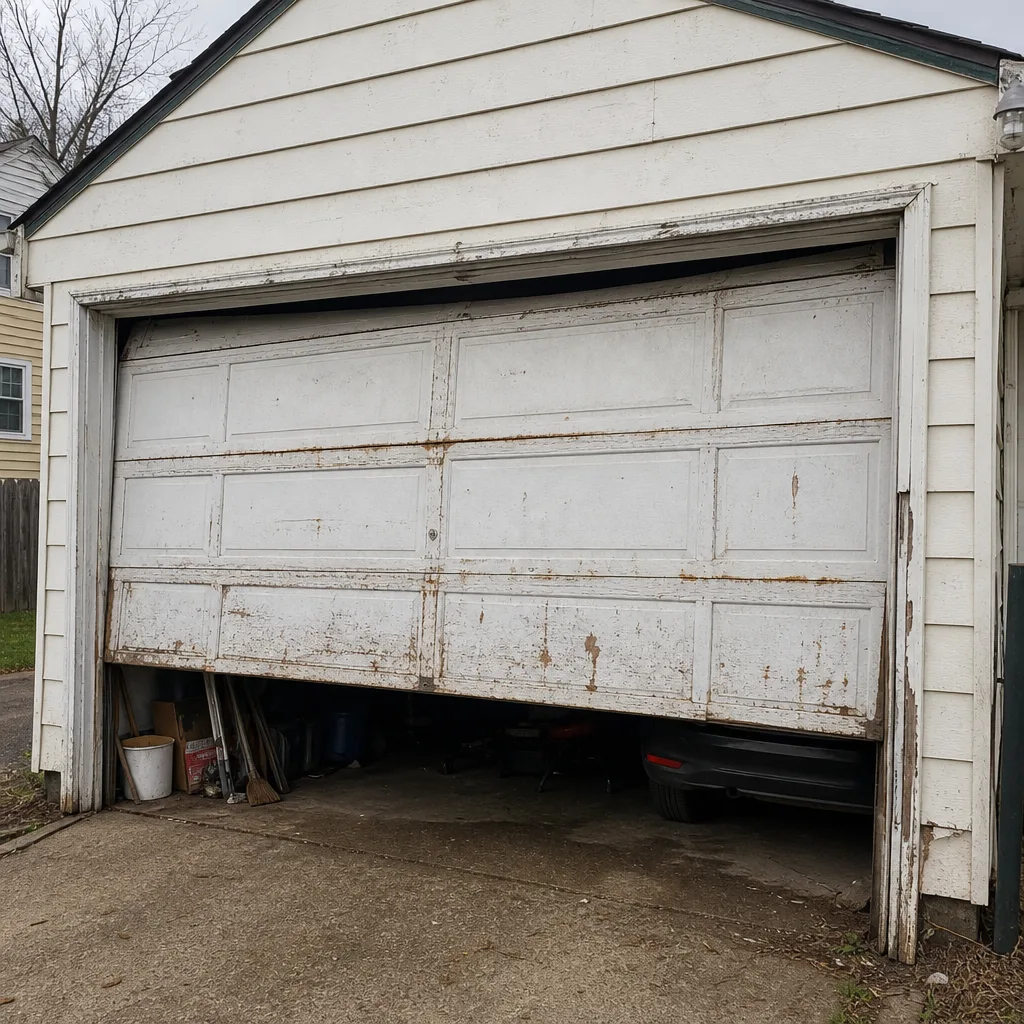 Before
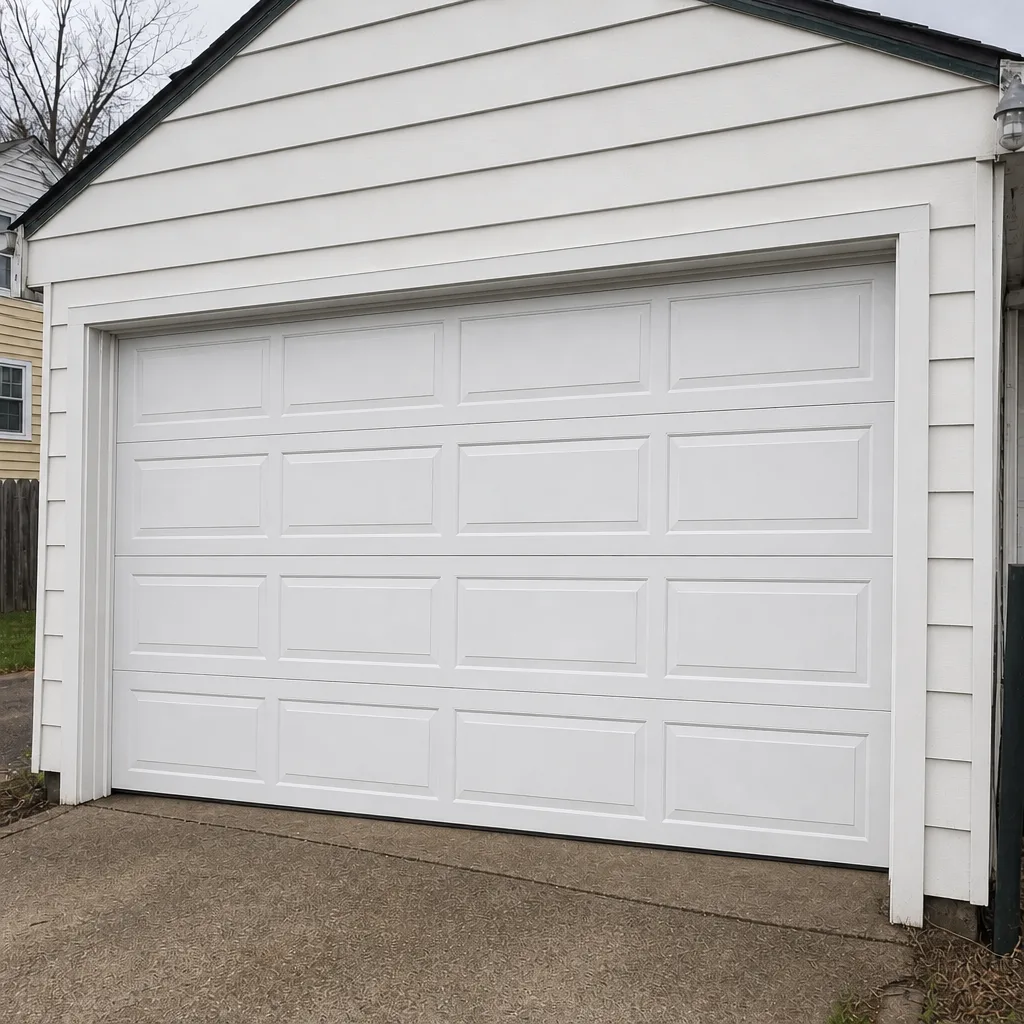 After
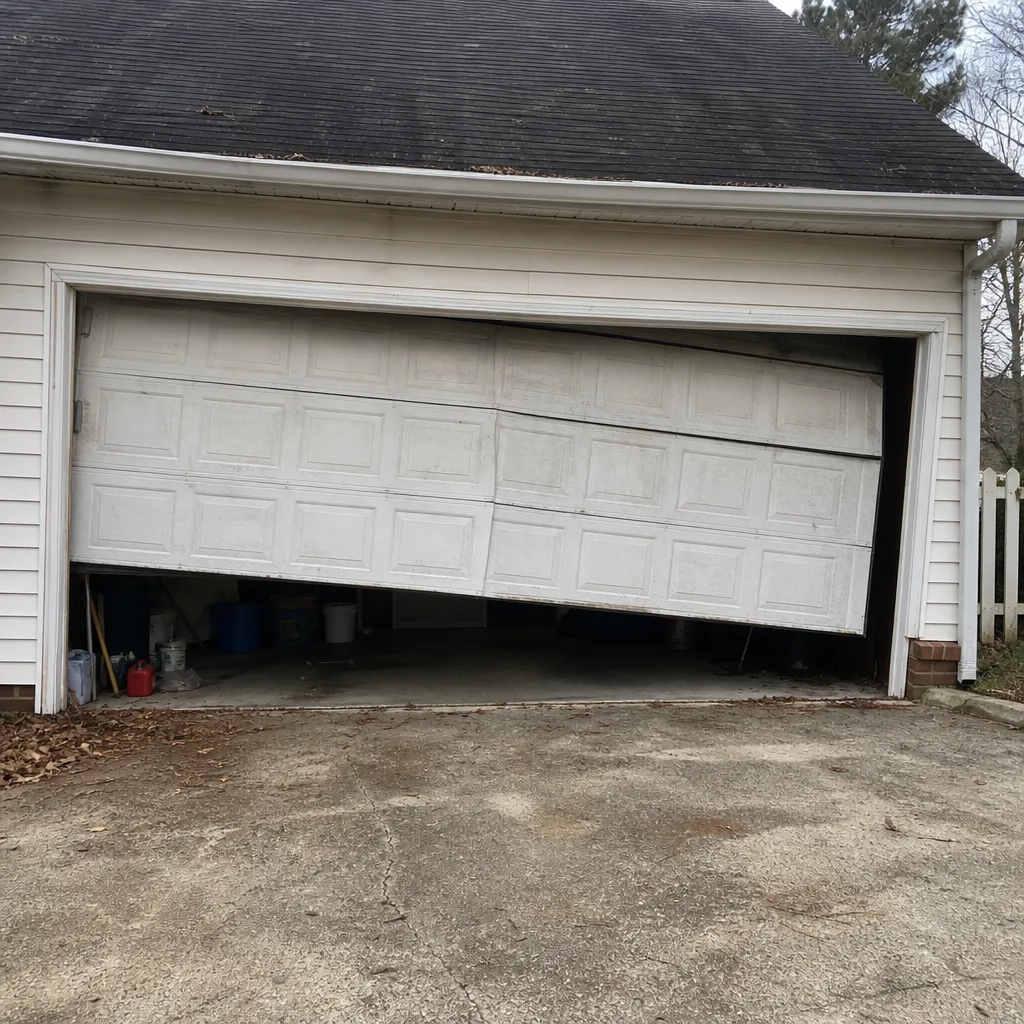 Before
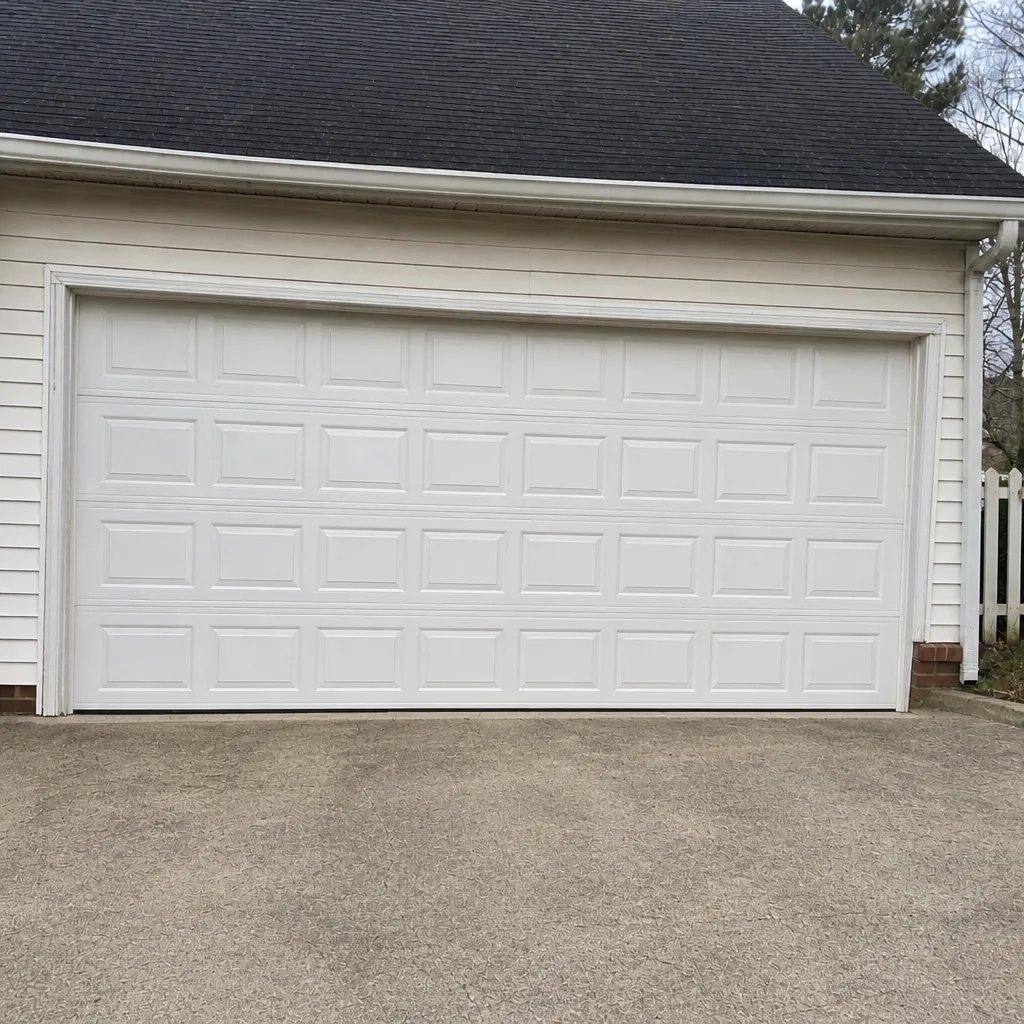 After
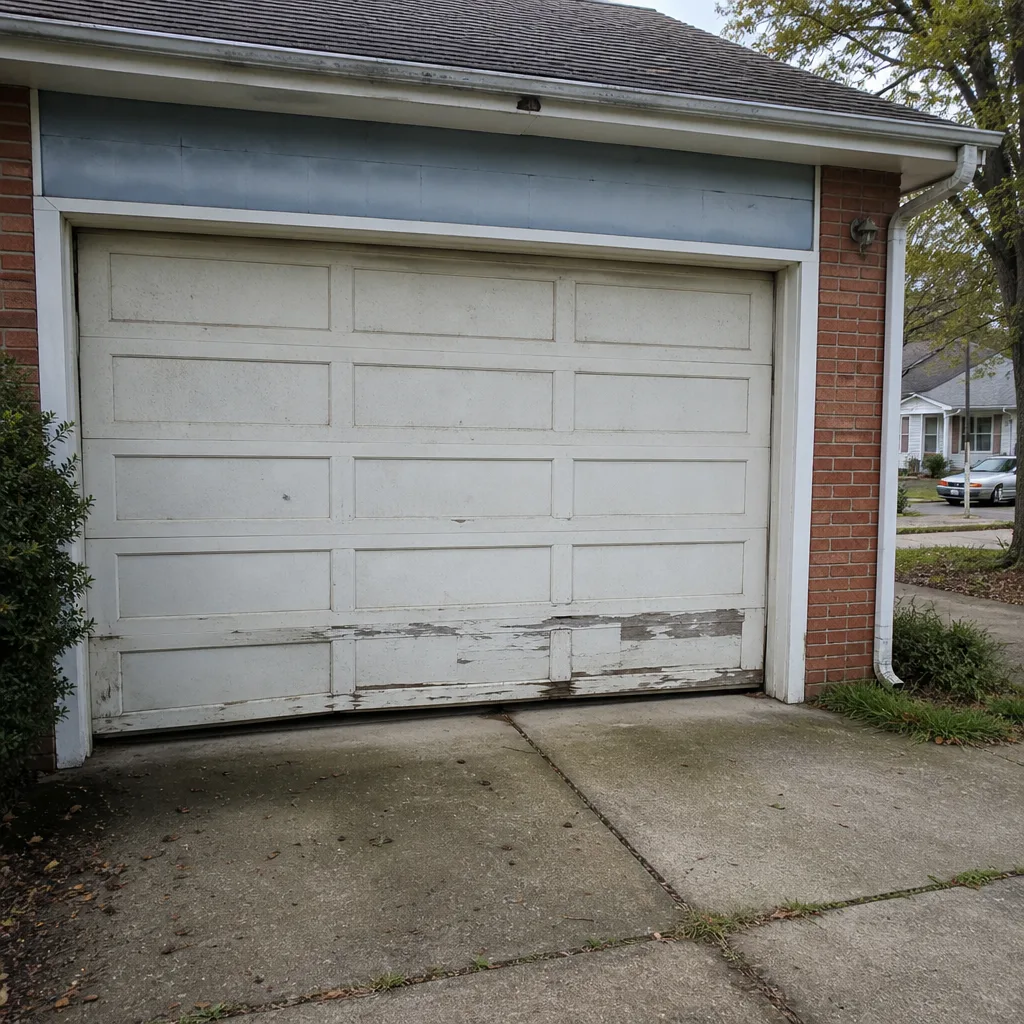 Before
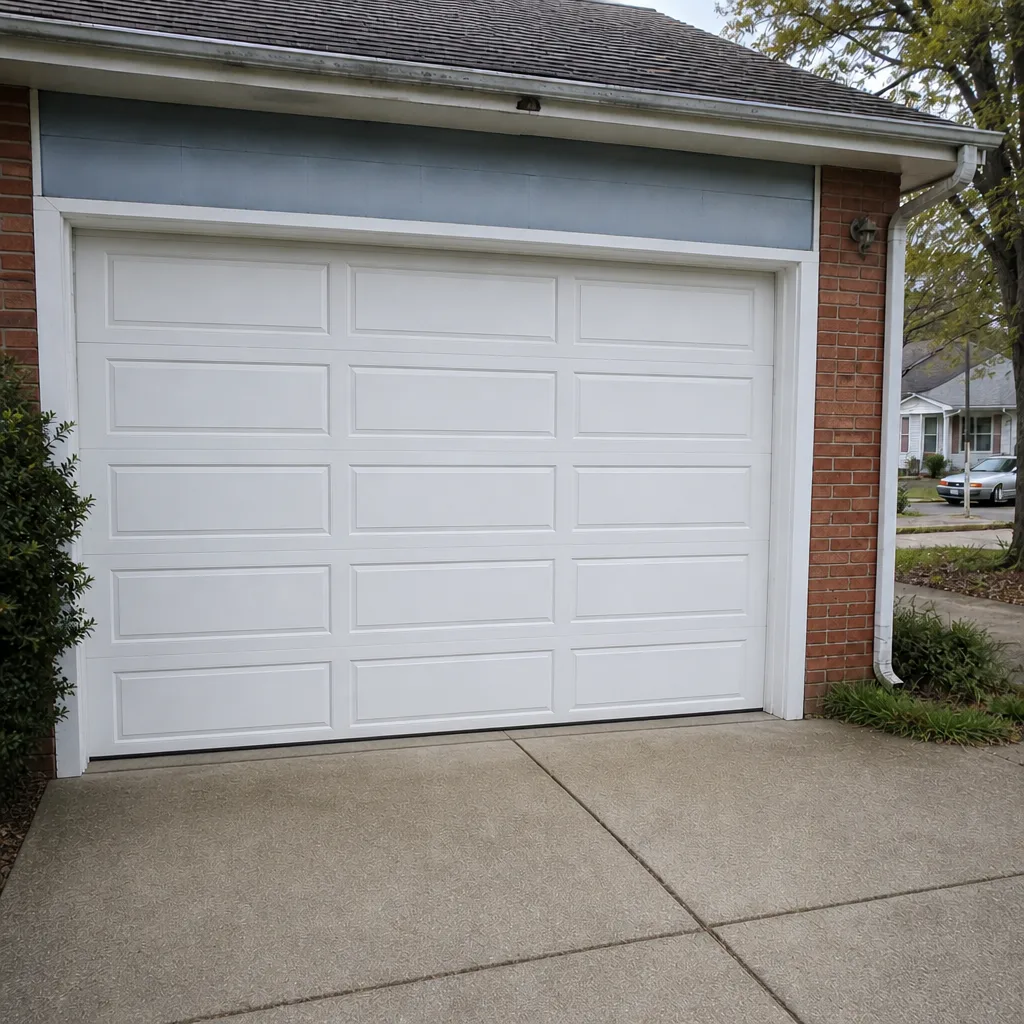 After
When to Call a Professional
Some of this guide is genuinely do-it-yourself: the walk-around, the lubrication, the seal check, the emergency-release test. But several scenarios should go straight to a trained professional. Any broken spring, any cable that looks slack or crossed, any track that’s bent or a bracket that’s pulling from the wall, and any door that’s suddenly heavy or uneven all fall in that category. So does an opener that reverses on its own, a panel that’s buckled, or a door that just won’t open when you need it to. Working on high-tension components without the right tools and training is how people get hurt, and we’d rather you call than take that chance. Hampton Garage Door Repair Co offers free estimates in Hampton; call (877) 600-5531 and we’ll take a look.
Frequently Asked Questions
Do a light check monthly, a deeper seasonal pass four times a year, and a dedicated pre-winter lubrication in October. That cadence covers the wet spring recovery, the hurricane-season hardware check in May, the summer humidity management, and the freeze prep in fall, and it catches most problems while they’re still small. Call (877) 600-5531 for an exact quote on a seasonal tune-up.
No. Torsion springs are under high tension even when the door is down, and the cables and drums beside them are just as hazardous; releasing that tension incorrectly can cause serious injury. Spring repair is the job that most warrants a trained professional. Call us and we’ll get it done safely.
Check that the hinges, brackets, and roller carriers are tight, that the ceiling and wall track brackets are firmly attached, that the emergency release works, and that your opener’s battery backup holds a charge. Those four things are the core of the May checklist. If anything’s loose or sticking, get it on the schedule early; call (877) 600-5531.
Humidity swells the bottom seal and heat thins the track lubricant, so the door has more friction to overcome and the opener works harder. Clean and lubricate the tracks and rollers, and check the bottom seal for swelling or stiffness. If the door still drags or the opener strains, call us to look at it – estimates are free.
A broken or weakened torsion spring is the most common cause after a sudden freeze, and the cold shrinks the spring’s margin for error. Stop using the door and call a professional rather than running the opener to see if it works. Call (877) 600-5531 and we’ll diagnose it.
Listen for a loud bang from the garage, watch for a gap or visible break in the coil, and notice if the door lifts unevenly or feels much heavier by hand. Any of those points to a failing spring, and the door shouldn’t be operated. Call (877) 600-5531 for an exact quote on a repair.
The Bottom Line
Hampton’s seasons don’t fit a neat four-season template, so your garage door care shouldn’t either. Work to the local rhythm: spring recovery after the wet months, a pre-hurricane hardware check in May, post-storm inspection after any tropical event, humidity control through the summer, lubrication in October before the sudden freeze, and a careful watch for cold-weather spring failure. The do-it-yourself tasks are the inspections and the lubrication. The high-tension work belongs with a trained professional, every time. Our technicians have up to 11 years of experience and work on the brand you already have. Call (877) 600-5531 for a free estimate.
Written by the team at Hampton Garage Door Repair Co.